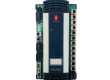
Product Overview
The ABB PPD113B01-10-150000 module, identified by part number 3BHE023784R1023, is a high-performance industrial control and processing module designed for use in advanced ABB power electronics and automation systems. This module is engineered to operate as a key functional component within converter control systems, high-power drive platforms, and complex industrial control architectures where reliability, precision, and real-time responsiveness are critical.
The PPD113B01-10-150000 module is typically deployed in applications involving power conversion, motor control, energy management, and process regulation. It performs dedicated control, processing, and interface tasks, supporting the stable operation of high-power equipment under demanding electrical and environmental conditions. Its design reflects ABB’s extensive experience in power electronics, control engineering, and industrial system integration.
Built for continuous duty, the module emphasizes deterministic behavior, strong electromagnetic compatibility, and long operational life. It is intended for integration into ABB system racks or cabinets, forming part of a coordinated control platform that ensures safe, efficient, and predictable system operation.
Product Parameters
The following parameters summarize the typical technical and functional characteristics of the ABB PPD113B01-10-150000 module. These parameters are representative of industrial configurations and provide a technical overview for engineering and system planning purposes.
- Product Type: Industrial Control / Processing Module
- Model Designation: PPD113B01-10-150000
- ABB Part Number: 3BHE023784R1023
- System Compatibility: ABB power electronics and automation platforms
- Primary Function: Control logic processing, signal handling, and system coordination
- Processing Capability: High-performance industrial processing core
- Signal Interfaces: Internal system signals and control interfaces
- Communication Method: System backplane and internal control buses
- Electrical Isolation: Designed isolation between functional sections
- Power Supply: Supplied by system-integrated power distribution
- Mounting Method: Rack-mounted or cabinet-installed module
- Cooling Method: Natural convection or system-assisted airflow
- Operating Mode: Continuous industrial operation
- Environmental Resistance: Suitable for vibration, electrical noise, and thermal variation
Product Datasheet Description
The PPD113B01-10-150000 datasheet defines this module as a specialized control and processing unit within ABB industrial systems. According to its datasheet characteristics, the module is intended to handle time-critical control tasks, manage internal system signals, and support coordinated operation of high-power equipment.
The datasheet outlines the module’s ability to operate within tightly synchronized control architectures. It is designed to exchange data with other control boards, processors, and interface modules through a high-reliability system backplane. This ensures deterministic communication, which is essential for stable operation of power converters, drives, and excitation systems.
Attention is given in the datasheet to electrical robustness. The module incorporates design measures that protect internal electronics from voltage transients, electromagnetic interference, and ground potential differences. These features are especially important in installations involving high currents, fast switching devices, and electrically noisy environments.
Mechanical characteristics described in the datasheet emphasize secure mounting, vibration resistance, and thermal stability. The module layout supports effective heat dissipation, contributing to long service life and consistent performance during continuous operation.
Country of Origin
The ABB PPD113B01-10-150000 (3BHE023784R1023) module is manufactured under ABB’s global production and quality management system, with engineering and manufacturing origins in Europe. ABB’s European production facilities follow strict industrial standards, ensuring consistent quality, traceability, and compliance with international automation and power electronics requirements.
ABB’s manufacturing philosophy prioritizes long-term reliability, robust design, and lifecycle support. Each module undergoes comprehensive testing and inspection before delivery, ensuring it meets ABB’s internal performance and durability criteria.
Application Fields
The PPD113B01-10-150000 module is used in a variety of industrial and energy-related applications where precise control and dependable operation are required.
Power Electronics and Converter Systems
The module is commonly applied in power conversion systems, where it supports control logic for rectifiers, inverters, and DC/AC conversion equipment. Its deterministic processing capability helps maintain stable output characteristics and fast response to load changes.
High-Power Drive Systems
In large motor drive installations, the module contributes to speed regulation, torque control, and system coordination. It supports advanced control strategies that improve efficiency, reduce mechanical stress, and enhance overall system performance.
Excitation and Generator Control
The module is suitable for generator excitation systems, where accurate control and fast dynamic response are critical. It helps manage excitation parameters, ensuring voltage stability and reliable generator operation.
Industrial Automation and Process Control
The PPD113B01-10-150000 can be integrated into broader automation architectures, where it interacts with other control modules to manage complex industrial processes. Applications include heavy industry, material handling, and continuous production lines.
Energy Infrastructure
In energy transmission and distribution environments, the module supports control and monitoring functions within substations and converter stations. Its robust design ensures dependable operation under continuous load and variable environmental conditions.
Research and Test Systems
The module is also used in industrial research and development setups, where precise and repeatable control behavior is required for testing power electronics, drives, and system configurations.
Product Usage Instructions
Storage and Handling
- Store the module in a clean, dry environment prior to installation.
- Protect against electrostatic discharge during handling.
- Avoid exposure to excessive humidity or mechanical shock.
Mechanical Installation
- Ensure that the system power is completely switched off.
- Insert the module into the designated rack or mounting position.
- Align the module carefully with the system backplane connectors.
- Secure the module using the appropriate fastening mechanisms to prevent movement or vibration.
Electrical Connection
- The module receives power and signals through the system backplane.
- Ensure that the system power supply meets the specified voltage and current requirements.
- Verify that all related system modules are properly grounded to minimize electrical noise.
Commissioning
- Power up the system and observe startup diagnostics.
- Confirm that the module is recognized by the control system.
- Verify communication with associated control and interface modules.
- Perform functional checks according to system commissioning procedures.
Normal Operation
- The module is designed for continuous, unattended operation.
- Monitor system diagnostics and status indicators during operation.
- Ensure that operating conditions remain within the system’s specified environmental limits.
Maintenance
- Periodically inspect the module during scheduled maintenance intervals.
- Check for secure mounting and clean airflow paths.
- Replace the module only with the same model to maintain system compatibility.
Product Technical Description
Technically, the PPD113B01-10-150000 module integrates processing logic, interface circuitry, and protection features into a compact industrial board. Its internal architecture is optimized for fast signal handling and deterministic execution of control tasks.
Signal pathways are carefully designed to minimize latency and interference. The module processes internal control signals and coordinates actions with other system components, contributing to synchronized system behavior. Electrical isolation and filtering reduce susceptibility to noise and protect sensitive circuitry from disturbances.
Thermal design considerations play a significant role in the module’s construction. Component placement and board layout promote efficient heat dissipation, reducing thermal stress and supporting long-term reliability. This makes the module suitable for installation in densely populated control cabinets where airflow may be limited.
Product-Related News
Across industrial sectors, there is a strong focus on improving the reliability and efficiency of power electronics and control systems. Modules like the PPD113B01-10-150000 continue to be integral to system upgrades and modernization projects aimed at extending equipment life and enhancing performance.
Recent trends emphasize the replacement of aging control modules with specification-compatible units that offer improved stability and diagnostic capabilities. In high-power applications, maintaining precise control behavior remains a priority, reinforcing the importance of robust and well-engineered modules.
As industrial systems evolve toward higher integration and more advanced control strategies, the demand for dependable processing modules remains strong. The PPD113B01-10-150000 aligns with these developments by supporting complex control tasks within established ABB system architectures.
Frequently Asked Questions (Q&A)
Q1: What is the main function of the PPD113B01-10-150000 module?
A1: It performs control and processing tasks within ABB power electronics and automation systems.
Q2: Is the module suitable for continuous operation?
A2: Yes, it is designed for continuous industrial duty.
Q3: Can it be used in high-power environments?
A3: Yes, it is intended for applications involving high-power equipment and demanding electrical conditions.
Q4: How is the module integrated into a system?
A4: It is installed in a system rack or cabinet and communicates via the system backplane.
Q5: Does the module require regular calibration?
A5: Under normal operating conditions, routine calibration is not required.