
Description
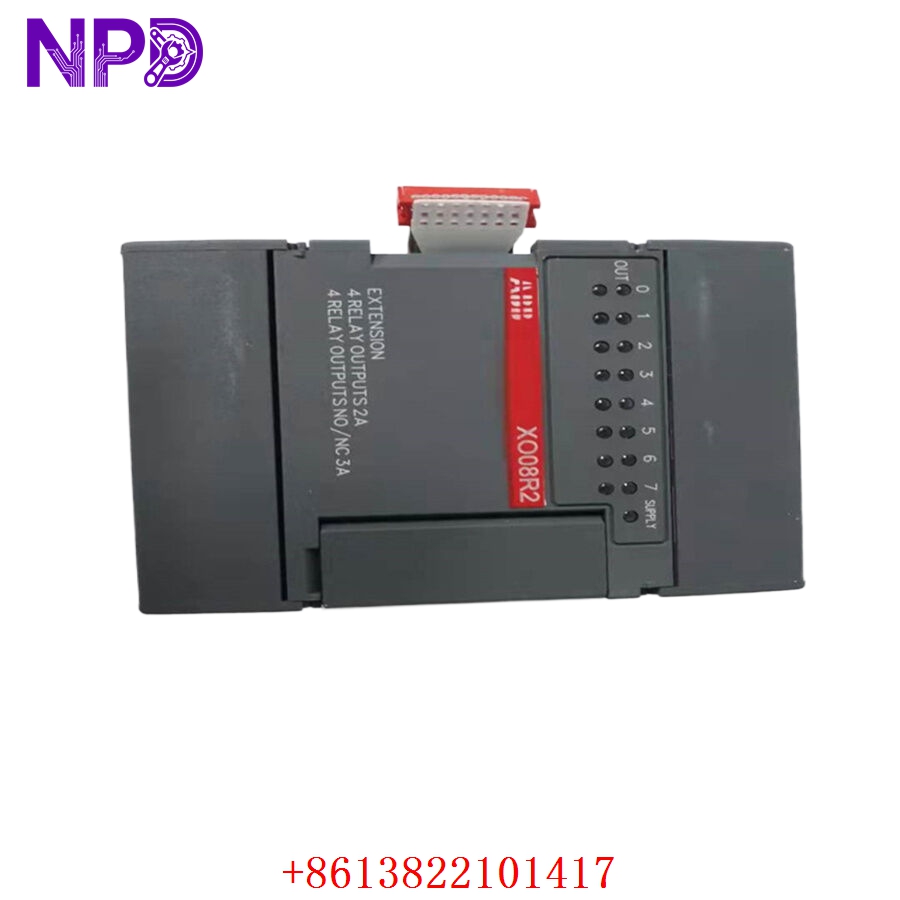
- Model: ABB 1SBP260109R1001 (XO08R2)
- Brand: ABB (Sweden/Switzerland)
- Series: Advant Controller AC31 / Procontic CS31 Series
- Core Function: Distributed expansion module providing 8 isolated relay outputs via the CS31 system bus.
- Condition: Brand New Surplus (Original factory packaging, non-refurbished)
- Product Type: Digital Output Expansion Module (Relay)
- Key Specs: 24 V DC Module Power | 8 Relay Outputs (230 V AC / 2 A max per channel) | CS31 Fieldbus Connection
- Module Operating Voltage: 24 V DC
- Number of Output Channels: 8 channels
- Output Type: Relay contacts (Form A, Normally Open)
- Switching Voltage (Max): 230 V AC / 24 V DC
- Switching Current (Max): 2 A per channel (resistive load)
- Total Module Current (Max): 10 A across all channels combined
- Electrical Isolation: Between CS31 bus and output channels (2,500 V AC testing limit)
- Bus Interface: CS31 System Bus (RS-485 balanced serial line)
- Bus Addressing: Configured via onboard rotary or DIP switches
- Terminal Type: Removable screw terminal blocks
- Mounting: 35 mm DIN Rail or surface screw mounting
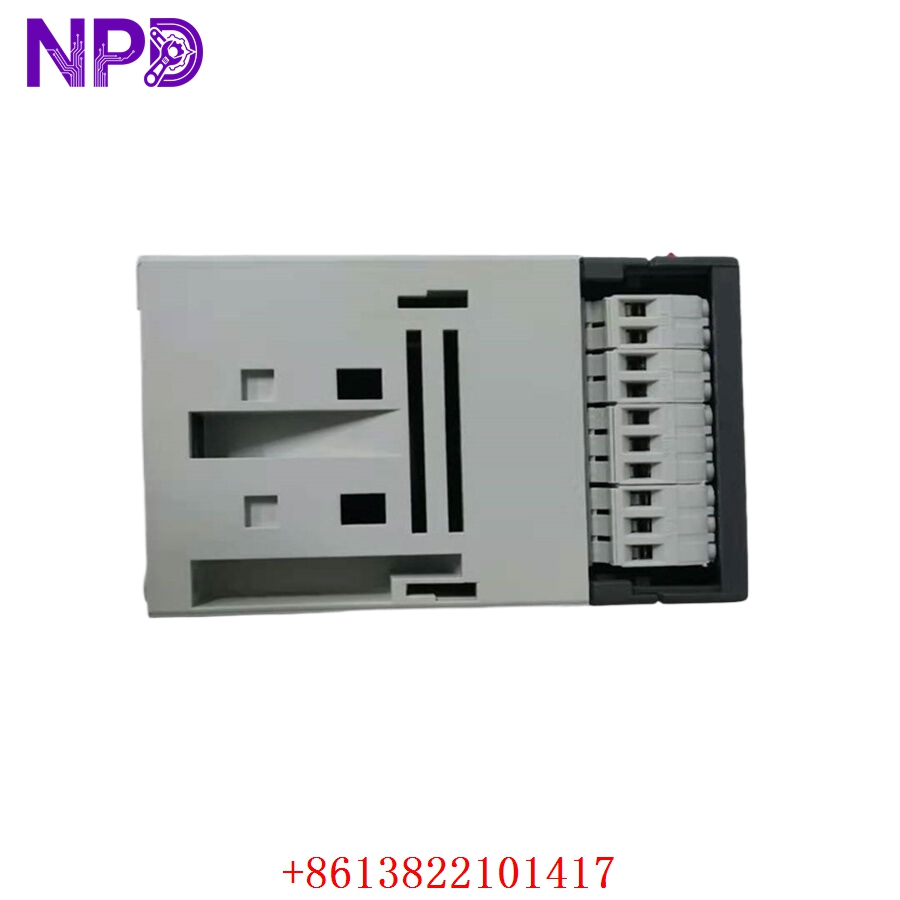
ABB 1SBP260109R1001 XO08R2
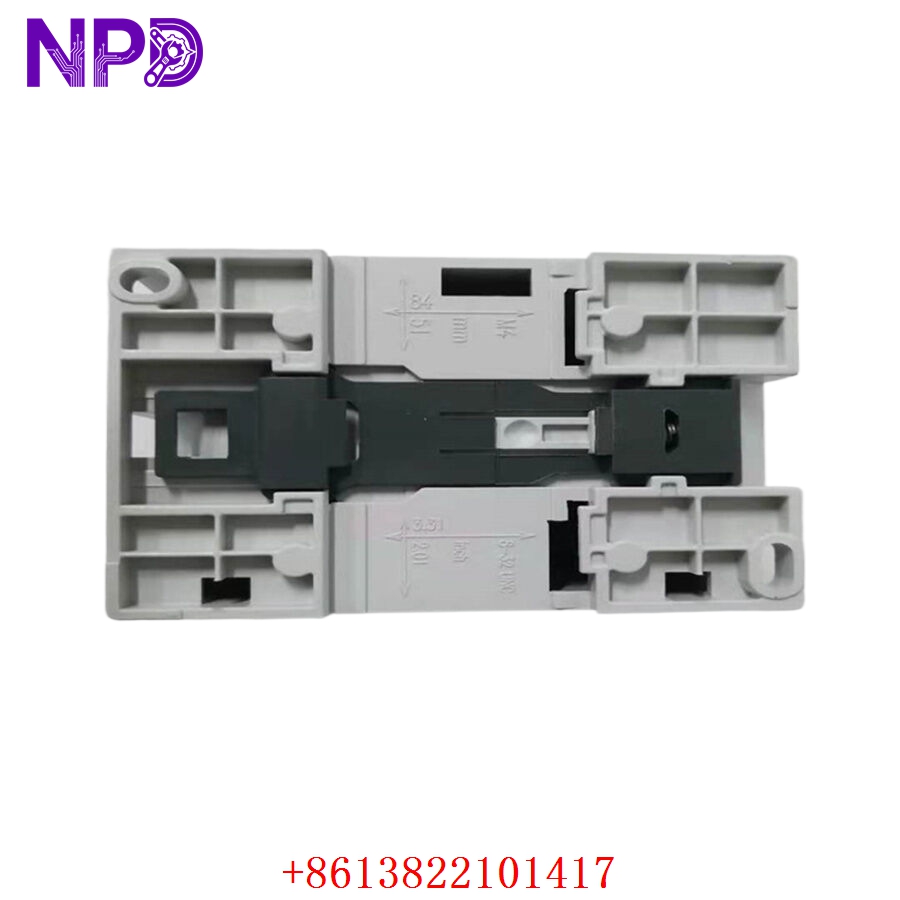
ABB 1SBP260109R1001 XO08R2
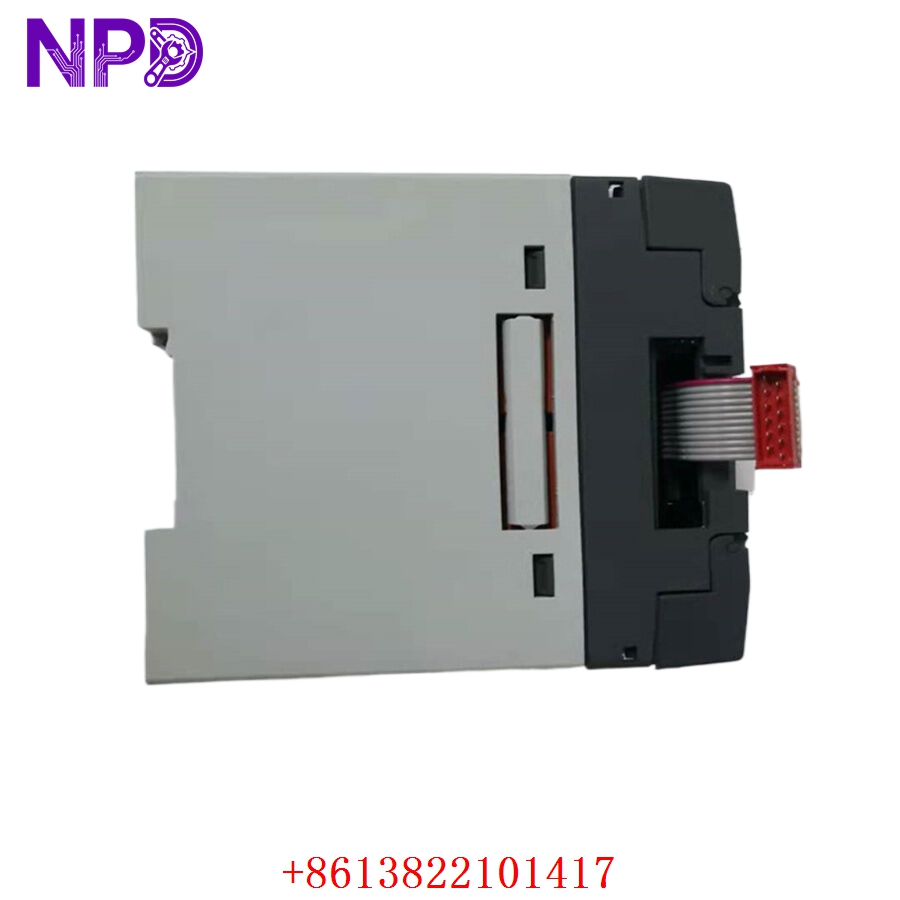
ABB 1SBP260109R1001 XO08R2
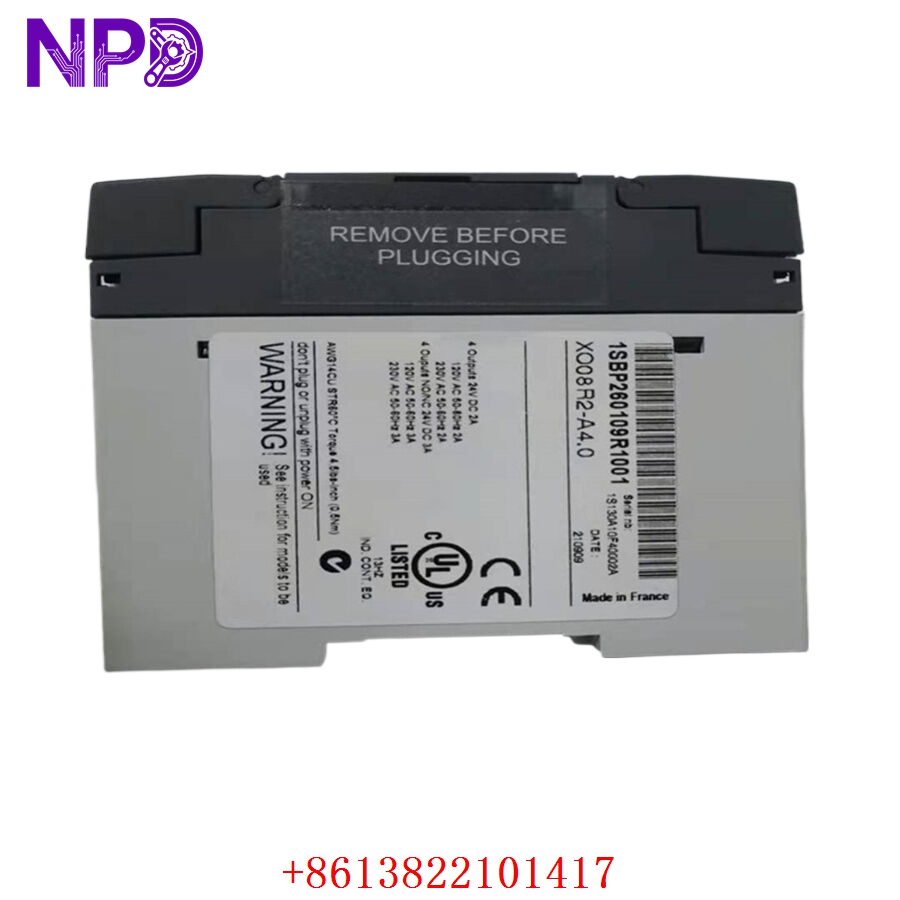
ABB 1SBP260109R1001 XO08R2
Application Scenarios & Engineering Pain Points
In distributed legacy architectures, driving field actuators like interposing relays, contactors, and solenoid valves requires isolated, rugged outputs. The XO08R2 module solves a major engineering headache by providing physical dry contacts right at the machine level, communicating back to the central CPU via a simple twisted-pair CS31 network wire. When one of these expansion units fails due to contact welding or inductive voltage spikes, the entire localized subsystem (such as a valve bank or motor control cluster) drops off-line, triggering a global bus fault on the master controller.
Typical Field Deployments:
- Power Generation – Motor Control Centers (MCC)
Used to command auxiliary pump starters, cooling fan contactors, and ventilation dampers where high electrical isolation between control logic and power circuits is mandatory.
- Chemical Processing – Valve Manifold Control
Manages the sequencing of 110 V AC or 230 V AC solenoid-actuated valves on reagent tanks, preventing switching noise from corrupting delicate analog sensor readings on adjacent racks.
- Pulp and Paper – Wet End Logics
Controls localized hydraulic solenoids and pneumatic actuators in harsh, high-humidity environments where modular distributed I/O reduces long field cable runs back to the main control room.
Case Study: The Defiant Water Treatment Plant Valve
- The Setup: A municipal water reclamation plant utilized a central ABB Advant controller linked via a CS31 fieldbus network to multiple remote I/O stations scattered throughout the filtration gallery. One critical gallery node used an XO08R2 relay block to control the motorized actuators of backwash isolation valves.
- The Crisis: During an overnight storm, a high-voltage inductive kickback from a failing valve actuator motor welded the internal contact of Channel 3 on the XO08R2 module. The valve remained permanently energized, preventing the system from finishing its backwash cycle and threatening a basin overflow. Worse, the internal failure partially pulled down the local CS31 communication transceiver, knocking out three other adjacent I/O blocks.
- The Fix: The on-call instrumentation technician isolated the faulty module. Because their local distributor noted the XO08R2 as an obsolete part with a multi-week procurement window, the municipality reached out to our logistics hub. We pulled an unblemished, new surplus 1SBP260109R1001 module from stock, performed a full automated relay bench test, and shipped it on the morning’s first courier run.
- The Outcome: The technician received the replacement block within 18 hours of the initial fault. He unplugged the terminal strips, mirrored the network address switches on the front face, clicked the new module into place, and reattached the wires. The CS31 bus immediately cleared, communication was restored across the entire gallery, and normal water treatment operations resumed without environmental compliance infractions.
Standard Operating Procedure (SOP) Quality Transparency
To ensure that specialized legacy hardware operates flawlessly from the second it is installed into your active process panel, our engineering team subjects every incoming XO08R2 to a exhaustive quality cycle:
[Inbound Traceability Check] ➔ [Live CS31 Network Integration] ➔ [Relay Contact Impedance Test] ➔ [High-Potential Isolation Audit] ➔ [ESD Safe Packaging] 1. Inbound Inspection and Integrity Audit
- Physical Traceability: We inspect the factory labels, verification stamps, and lot numbers against verified production matrices to confirm absolute authenticity.
- Chassis Verification: The enclosure is carefully examined for signs of mechanical fatigue, damaged DIN rail clips, or fractured trace pathways near the terminal header pins.
2. Live CS31 Network Integration
- Test Architecture: The module is linked into a live evaluation loop managed by an authentic ABB master controller powered by an isolated industrial DC supply.
- Bus Verification: We command the module to initialize, checking that the network handshake occurs immediately and tracking error logs to ensure 100% data transmission accuracy with no transmission drops.
3. Relay Contact Impedance and Load Testing
- Cycle Testing: Every single one of the 8 relay channels is toggled repeatedly under a mock operational load.
- Resistance Mapping: Using a precision milliohm meter (such as a Fluke series unit), we measure the closed contact resistance across terminals. Any channel exceeding standard operational thresholds is instantly rejected to prevent future field welding under load.
4. High-Potential (Hi-Pot) Isolation Audit
- Safety Verification: We test the dielectric isolation barrier between the low-voltage logic side (CS31 bus) and the high-voltage relay contact terminals to confirm that field noise or surges cannot breach the network backplane.
5. ESD Protective Packaging and Logistics Dispatch
- Shielding: The unit is heat-sealed inside a heavy-duty static-shielding envelope.
- Cushioning: Packed inside custom shock-absorbent bubble layers within heavy-walled industrial shipping cartons to prevent terminal damage during transit.
- Documentation: The carton receives a physical QC certification label indicating the test date. A copy of the live functional test sequence can be supplied upon request.
Technical Pitfall Mitigation Guide
Replacing a relay block like the XO08R2 seems straightforward, but missing a couple of key field realities can destroy a replacement module or cause puzzling bus dropouts.
1. The Missing RC Snubber/Flyback Diode Trap
- The Risk: When a relay contact opens an inductive circuit (like an AC contactor coil or solenoid), a massive reverse voltage spike occurs. Without protection, this energy arcs across the tiny relay gap inside the XO08R2, degrading or welding the contacts in short order.
- The Fix: Always verify that an RC snubber network (for AC circuits) or a flyback diode (for DC circuits) is installed directly across the inductive field load. Do not assume the PLC module has it built-in. If the original field snubber has failed over years of operation, your new module will likely fail within a few weeks of replacement.
2. Bus Address Switch Replication
- The Risk: The XO08R2 determines its identity on the CS31 bus via mechanical address selectors found on the unit body. Leaving these at default means the master CPU will look for data that never arrives.
- The Fix: Before mounting the new unit, compare the positioning of the small address dials or DIP switch toggles against the broken unit you are removing. Double-check with a small flathead screwdriver to ensure they click firmly into the exact same positions.
3. Over-tightening Removable Terminals
- The Risk: The terminal blocks are removable for ease of maintenance, but applying excessive torque when securing the field wires can crack the underlying solder joints linking the terminal header to the internal circuit board.
- The Fix: Use a correctly sized terminal screwdriver and torque to the manufacturer’s specified rating (typically around 0.5 Nm). Avoid using heavy power drivers on delicate control components.
Compatible Replacement Models
If you need a contingency strategy or the standard model layout doesn’t fit your immediate panel constraints, note these alternative cross-references:
| Original Model | Potential Alternative | Compatibility Level | Key Differences | Necessary Field Action | Cost Impact |
| XO08R2 (1SBP260109R1001) | XO08R1 | ⚠️ Software Compatible | Alternate voltage tolerance specs on the module power rail or variation in contact materials. | Verify that your field load currents do not exceed the rated limits specified on the XO08R1 engineering sheet. | Identical bracket on surplus inventory. |
| XO08R2 (1SBP260109R1001) | XT08R5 | ❌ Hardware Incompatible | Combo input/output expansion card, using completely different terminal pin mappings and hardware profiles. | Requires updating the Master PLC hardware configuration scheme and altering physical field terminal landing maps. | Minor variance (+10%). |
| XO08R2 (1SBP260109R1001) | S500 Series (e.g., DX522 via CI522) | ❌ Total Retrofit Required | Next-generation platform. Utilizes modern fieldbus modules under the AC500 architecture. | Requires installing a modern CS31 communication interface module (CI522), modifying the physical DIN rail spacing, and rerouting field channels. | High hardware and migration engineering cost layout (>200%). |
Troubleshooting Quick Reference
If you are dealing with a localized system fault on an active station, use this diagnostic table to isolate the problem before swapping hardware:
| Diagnostic Symptom | Root Cause Probability | Controller Relevance | Field Verification Steps | Recommended Remediation |
| Power LED remains dark | Loss of the local 24 V DC control power rail. | ❌ Low (95% external) | Probe the 24 V DC input supply terminals with a standard digital multimeter. | Check for tripped branch circuit breakers, open inline fuses, or a failure in the main panel power supply module. |
| CS31 Bus Error LED is solid Red | Broken communication path or incorrect station address. | ⚠️ Medium | 1. Audit the network addressing switches on the module face.
2. Check for physical continuity on the twisted-pair CS31 lines back to the master. |
If the network wiring is solid and adjacent blocks operate properly, the internal RS-485 transceiver chip on this block may have been knocked out by common-mode noise. Swap the module. |
| Logic LED shows active, but no power passes through the relay | Welded open contact or damaged internal drive coil. | ✅ High | Isolate field power and check the continuity across the specific output contact terminals while manually forcing the channel state via software. | If the contact stays open regardless of the active channel command LED status, the relay internal to that channel is dead. The entire expansion block must be replaced. |
| Adjacent CS31 modules drop off whenever this module activates | Severe electromagnetic interference (EMI) or backplane power sag. | ⚠️ Medium | Check for missing suppression elements (snubbers) on the field loads wired to this card’s contacts. | Install appropriate RC suppression networks across all inductive loads switched by this card to arrest localized arc-induced EMI. |
Need immediate engineering backup? If your plant is down and you cannot pinpoint the failure node, drop our technical support desk an email with photos of your current indicator lights and a copy of your panel’s wiring diagram. We will have an integration engineer respond within 2 hours.