
Description
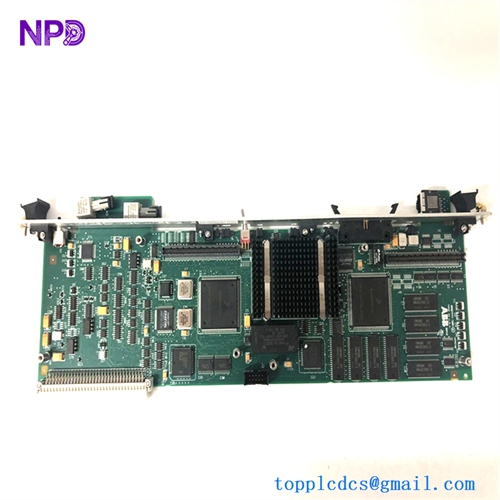
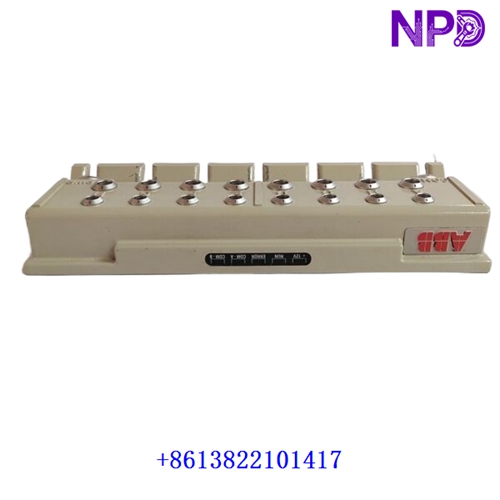
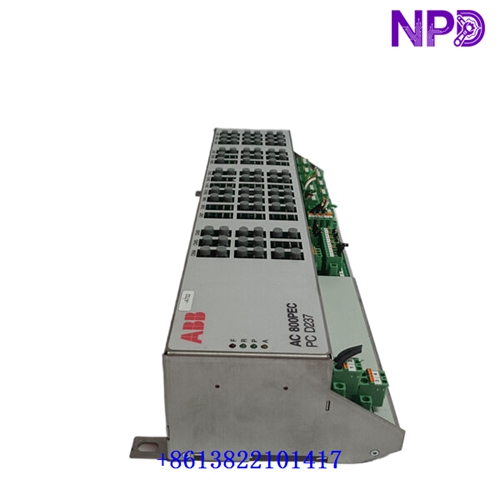
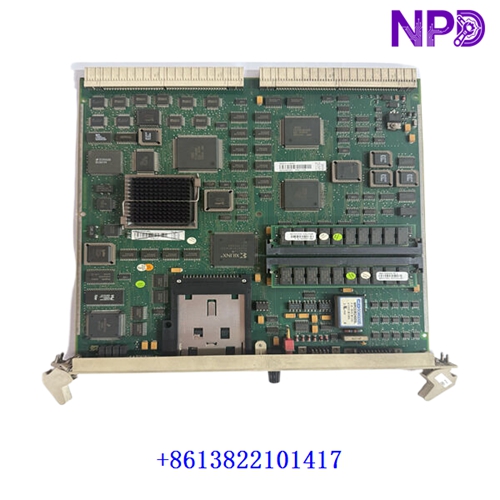
The ABB / Hartmann & Braun 216EA61B (Catalog Part ID / Order Codes: HESG324015R1, HESG448230R1) is a specialized analog input and signal processing module. Originally part of the legacy Procontrol P13 / Procontrol P14 and power generation protection ecosystems (such as generator protection and turbine monitoring frameworks), it is engineered to acquire, convert, and process high-precision analog field signals for critical industrial automation networks.
Product Datasheet
| Parameter | Specification |
| Brand | ABB (Hartmann & Braun Legacy Line) |
| Model / Part Number | 216EA61B (Variant IDs: HESG324015R1 / HESG448230R1) |
| Series | Procontrol P13 / P14 Control & Protection Ecosystem |
| Product Name | Analog Input Module / Signal Processing Card |
| Place of Production | Germany / Switzerland |
| Operational Status | Industrial Automation Spare Part / Legacy System Support |
| Input Channels | Multi-channel analog input configuration |
| Power Supply | Rack-powered via standard electronic cabinet bus rails (paired with units like 216NG61/62/63 power supplies) |
| Operating Temperature | 0^\circC to +55^\circC |
Initial Operation Checklist
✓ Ensure the equipment rack slot is clean, dry, and properly addressed before inserting the input module.
✓ Verify that all backplane connector pins and edge contacts are entirely free of oxidation, dust, or physical damage.
✓ Confirm that system auxiliary power supply units (such as the 216NG series) operate stably within specified DC voltage thresholds prior to power-up.
✓ Check signal wiring terminations from field transmitters and sensors to ensure correct polarity and shielding integrity.
✓ Monitor front-panel status indicators during startup to verify successful hardware self-test execution.
Routine Maintenance
⚙ Periodically inspect module retention latches and front locking screws to ensure high resistance against continuous industrial vibration.
⚙ Clean enclosure ventilation filters routinely to maintain safe thermal operating levels within the equipment cabinet.
⚙ Review system diagnostic error codes and event registers using the designated Procontrol service toolset.
⚙ Verify shield grounding continuity across all analog input lines to guard against electromagnetic interference (EMI) and ground loops.
Troubleshooting & Common Issues
⚡ Module Initialization Failure: Check rack power distribution rails, verify that the board is completely seated in the backplane, and inspect internal fault indicators.
⚡ Analog Signal Drift or Inaccuracy: Inspect field transmitter loop power, check terminal block screw tightness, and verify signal grounding setups.
⚡ Bus Communication Timeouts: Inspect interface links, verify rack bus backplane seating, and check node configuration parameters.
Safety Precautions
⚠ Always completely de-energize, isolate, and lock out system power rails before inserting, removing, or servicing the input module.
⚠ Observe strict electrostatic discharge (ESD) safety protocols—such as utilizing a grounded wrist strap—when handling electronic circuit boards.
⚠ Do not attempt component-level field repairs on the circuit board to preserve hardware safety certifications and system integrity.
⚠ Strictly comply with local electrical codes, power plant mandates, and manufacturer instructions during all handling procedures.
Frequently Asked Questions (Q&A)
Q: What is the primary application of the ABB 216EA61B module?
A: It functions as an analog input module within legacy Procontrol P13/P14 and power generation protection systems, acquiring and conditioning critical sensor measurements.
Q: Which power supply units are typically associated with this hardware ecosystem?
A: It operates within electronic racks powered by specialized auxiliary DC power supply units such as the 216NG61, 216NG62, or 216NG63 series.
Q: Is this module currently active in standard factory production?
A: No, it is classified as a legacy industrial automation part, typically sourced through specialized automation surplus and repair channels for maintenance of older power and heavy industrial plants.