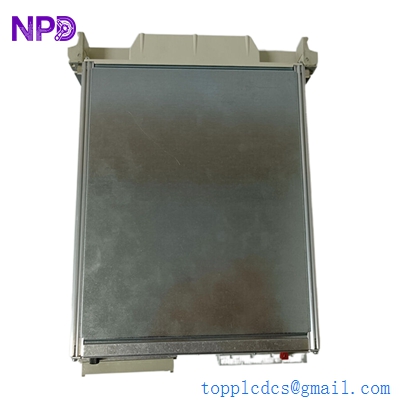
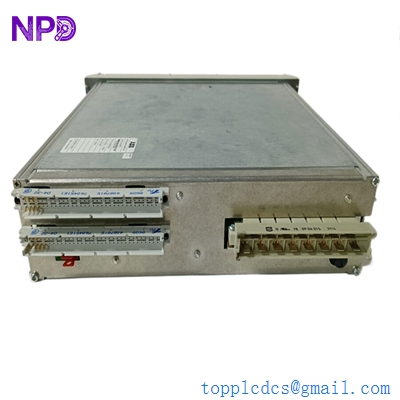

Description
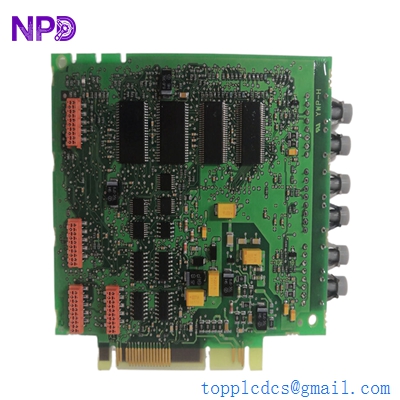
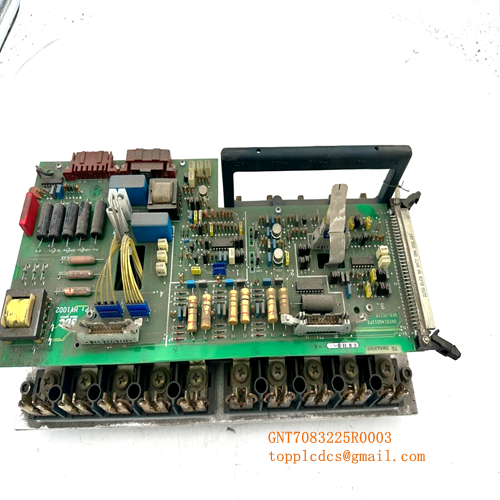
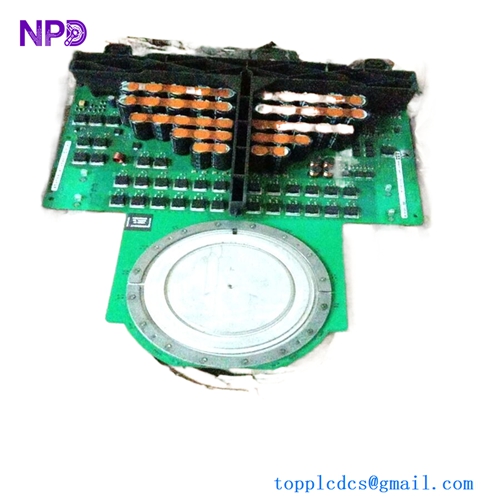
- Model: ABB 216NG62A (HESG441634R1K / HESG216876)
- Brand: ABB (Switzerland/Sweden)
- Series: UNITROL 5000 / Advant OCS / 200 Series
- Core Function: High-speed control interface and signal processing module
- Product Type: Controller/Interface Board
- Key Specs: Supports specialized ABB internal bus, 24 V DC logic, high-density I/O
- Hardware Code: HESG441634R1K (Main Assembly)
- Sub-Assembly ID: HESG216876 (Often refers to the PCB or a specific daughtercard)
- Supply Voltage: +5 V, ±15 V DC (derived from backplane) / 24 V DC External
- Logic Architecture: 32-bit internal data bus processing
- Mounting Type: 6U Eurocard rack format
- Connectivity: High-density DIN 41612 connectors (Rows A, B, C)
- Status Monitoring: Front-panel LED array (Run, Error, Blocked, I/O Status)
- Coating: Standard industrial conformal coating for harsh environments
- Protocol: Proprietary high-speed bit-serial or parallel bus interface
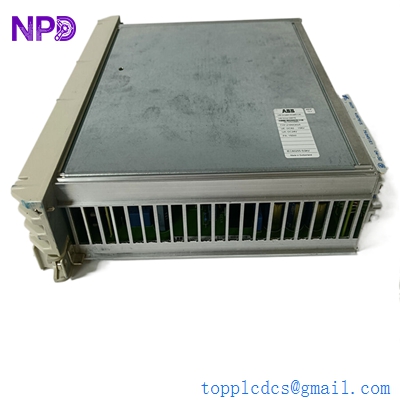
ABB 216NG62A HESG441634R1K HESG216876
Application Scenarios & Pain Points
The 216NG62A is a high-level control module typically embedded within ABB’s high-power excitation systems like the UNITROL 5000 or the older Advant OCS process controllers. It acts as a critical intermediary, processing complex feedback loops from the power bridge and translating them into logic commands. When this board fails, it’s rarely a subtle event—usually, the entire control rack loses its ability to synchronize with the grid, resulting in an immediate “Unit Trip.” The biggest pain point for engineers is that these boards are now “legacy,” and the OEM lead times for a replacement can stretch into several months.
1. Large Generator Excitation (UNITROL 5000)
Managing the critical voltage and reactive power regulation for utility-scale generators (Hydro, Nuclear, or Thermal).
2. High-Performance Process Control
Used in heavy industrial drives for rolling mills or mine hoists where sub-millisecond control response is mandatory to maintain torque stability.
3. Power Grid Compensation
Found in Static Var Compensators (SVC) to manage grid stability and power factor correction at major substations.
Case Study: The “Intermittent Bus Fault” at the Dam
Background: A large hydroelectric plant was experiencing “Control Bus Failures” on their #3 Generator. The system would run fine during base-load but would trip whenever they attempted to ramp up the reactive power (MVAR).
The Problem: The site team suspected the cabling, but after a Fluke 125B ScopeMeter test, they saw high-frequency jitter on the address lines of the 216NG62A board. The old HESG441634R1 revision was suffering from “solder fatigue” near the main processor, likely due to 15 years of vibration and thermal cycling.
The Solution: We provided a certified HESG441634R1K (the “K” revision includes improved soldering and component specs). Before shipping, we performed a 24-hour vibration-table test and a full diagnostic loop-back to ensure the address lines were clean.
The Result: The generator returned to service 48 hours after our board arrived. The unit has now handled several peak-demand cycles without a single bus error.
- Avoided Loss: Prevented an estimated $60,000 per day in lost generation revenue and peak-shaving penalties.
- Takeaway: In high-vibration environments like hydro plants, the “K” revision boards offer significantly better long-term reliability.
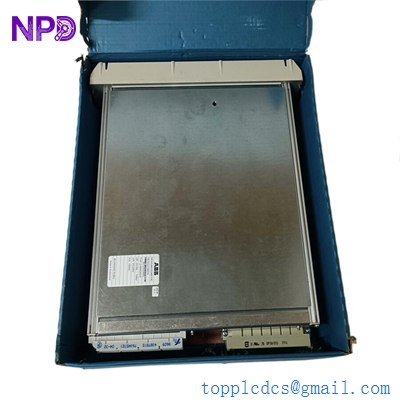
ABB 216NG62A HESG441634R1K HESG216876
Compatible Replacement Models
| Original Model | Replacement Model | Compatibility | Key Differences | Workload |
| HESG441634R1 | HESG441634R1K | ✅ Direct | R1K has updated component lifecycle | Plug & Play |
| 216NG61A | 216NG62A | ⚠️ Limited | 62A has expanded memory/logic | Check Firmware |
| HESG216876 | 216NG62A | ✅ Direct | HESG216876 is often the PCB part number | Verify complete assembly |
Engineer’s Advice: I’ve seen some confusion between the 216NG61 and 216NG62. While they look physically identical, the 62A has a different logic density. Don’t try to down-rev your system. If your configuration calls for a 62A, an older 61A will likely cause a “Module Mismatch” error in your Advant software.
Troubleshooting Quick Reference
| Symptom | Possible Cause | 216NG62A Related? | Quick Check | Action |
| “RUN” LED Off | No Backplane Power | ❌ Low | Check +5V and ±15V at the rack | Check power supply module |
| “ERR” LED Red | Logic/Memory Failure | ✅ High | Perform a module reset/re-seat | If it stays red, replace board |
| “BLOCKED” LED On | Watchdog Timeout | ✅ High | Check for external I/O short | Isolate I/O; replace if persistent |
| Comm Timeout | Dirty Backplane Pins | ⚠️ Medium | Inspect J1/J2 pins for oxidation | Clean with Isopropyl Alcohol |
Expert Maintenance Tips:
- The “Seating” Trick: ❗ Critical! These Eurocard-style boards have hundreds of tiny pins. If you just shove the board in, you can bend a pin on the backplane. Always use the extraction levers to seat the board firmly. I’ve spent hours troubleshooting “bad boards” that were just sitting 1mm too far out.
- Firmware PROMs: If your board has socketed EPROMs with white stickers, those contain your site’s specific logic. You must move those chips to the new board. Use a grounded anti-static mat and a proper chip-puller, or the new board won’t know how to run your turbine.
- Check the Rails: Before you pop in a new $2,000 board, use your multimeter to check the rack’s power rails. If the +5V rail has drifted to 5.4V, it will cook the new 216NG62A just like it cooked the old one.