
Description
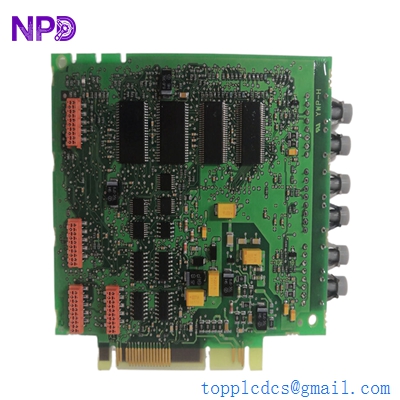
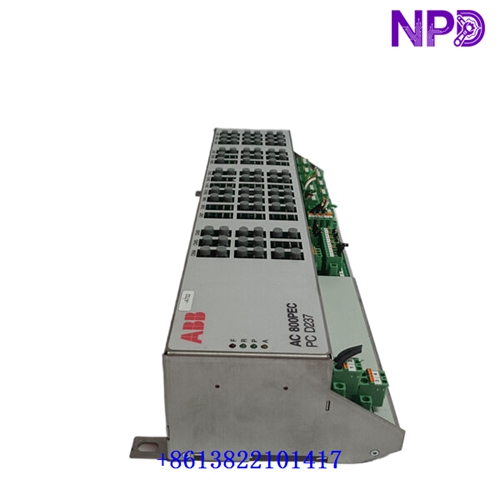
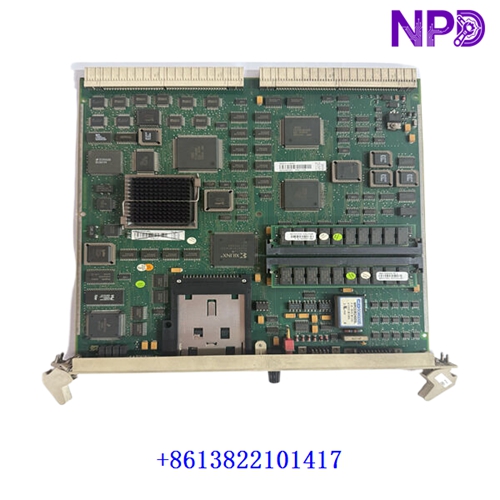
The following parameters outline the core technical specifications and physical characteristics of the high-performance ABB subrack and modular mounting frame, engineered for industrial automation and control system architectures.
- 1. Brand: ABB
- 2. Model: 23TP21B (Part Numbers: GSNE003100R0041 / GSNE003111)
- 3. Series: Industrial Automation Modular Rack Component Line
- 4. Product Name: Subrack / Module Mounting Chassis (Rack Only)
- 5. Place of Origin: Sweden / Germany
- 6. Physical Status: Factory New / Industrial Spare Part
- 7. Dimensions: Standard industrial 19-inch rack compatible enclosure framework
- 8. Weight: 3.40 kg
- 9. Original Region: European Industrial Manufacturing Hub
- 10. Power Rating: Passive mechanical subrack housing (No active electrical power rating; supports backplane power distribution modules)
Initial Operation Checklist
- 🔹 Inspect the transit packaging and structural frame for any mechanical deformation, bending, or physical damage prior to installation.
- 🔹 Verify that part numbers
23TP21B,GSNE003100R0041, andGSNE003111match system installation drawings and structural requisition lists exactly. - 🔹 Ensure that the control cabinet mounting rails are properly aligned, secured, and rated to support the weight of the fully populated subrack.
- 🔹 Check backplane connector guides, slot alignment pins, and guide rails for cleanliness and unobstructed mechanical movement.
- 🔹 Confirm solid grounding continuity between the subrack chassis frame and the main control cabinet ground bus.
Daily Maintenance & Servicing
- 🔸 Monitor operating ambient temperatures continuously around the rack assembly, ensuring values remain within standard environmental thresholds (-10^\circC \le T \le +55^\circC).
- 🔸 Inspect mechanical mounting screws, slide-in module guide locks, and retention clips periodically to ensure tight seating under continuous industrial vibration.
- 🔸 Keep cabinet ventilation pathways clean and free from dust accumulation to maintain optimal airflow across installed active modules.
- 🔸 Perform periodic visual checks on backplane pins and structural grounding straps for any signs of loosening or corrosion.

Troubleshooting & Common Issues
- 🔻 Symptom: Installed modules fail to align properly or slide smoothly into the subrack slots.
- Action: Check the subrack frame for transit-induced warping, inspect guide rails for foreign obstructions, and verify mounting rail squareness.
- 🔻 Symptom: Intermittent backplane connection or power loss across specific rack slots.
- Action: Inspect backplane connector pins for bending or contamination, and verify that the module is fully locked into its designated slot position.
- 🔻 Symptom: Ground continuity failure or electrical noise interference across the system.
- Action: Tighten all chassis bonding screws and verify that the main grounding braid between the subrack and cabinet busbar is secure.
Safety Precautions
- ⚠️ Only certified automation and mechanical technicians familiar with industrial control cabinet assembly should perform subrack installation and structural adjustments.
- ⚠️ Always de-energize and lock out/tag out the entire control cabinet power supply before installing or removing backplane-connected modules within the rack.
- ⚠️ Observe standard mechanical lifting and handling safety guidelines to prevent injury when mounting heavy enclosure frames into control panels.
Frequently Asked Questions (Q&A)
- Q1: What is the primary function of the ABB 23TP21B unit?
- A1: It serves as a structural subrack and mounting chassis (Rack Only) designed to house, align, and interconnect modular automation hardware within an ABB control system.
- Q2: Does this rack include active electronic or power supply components?
- A2: No, this unit is supplied as a structural subrack framework and backplane mounting housing, requiring individual power supply and control modules to be installed separately.
- Q3: What immediate action should be taken if a module does not latch securely into the rack?
- A3: Inspect the slot guide rails and backplane connector alignment to ensure no physical obstruction or pin misalignment is preventing proper seating.