
Description
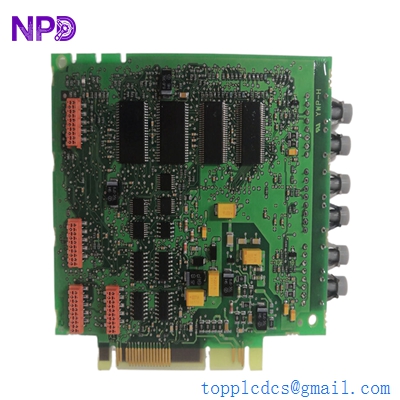
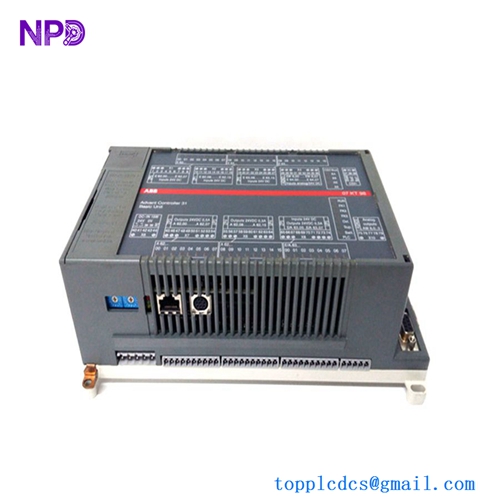
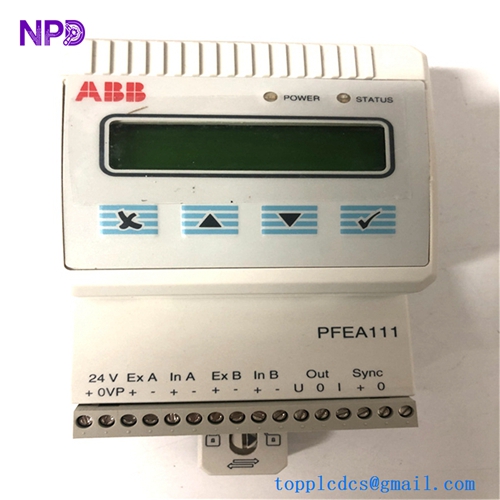
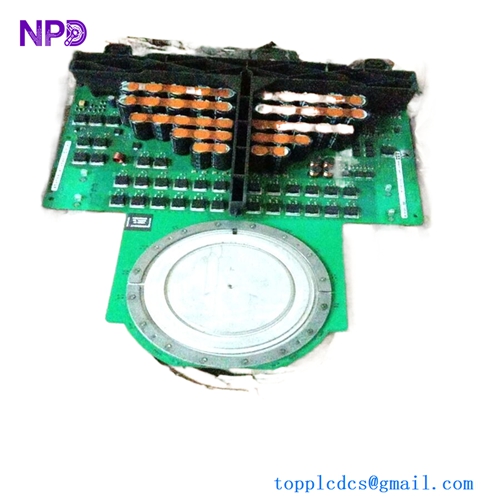
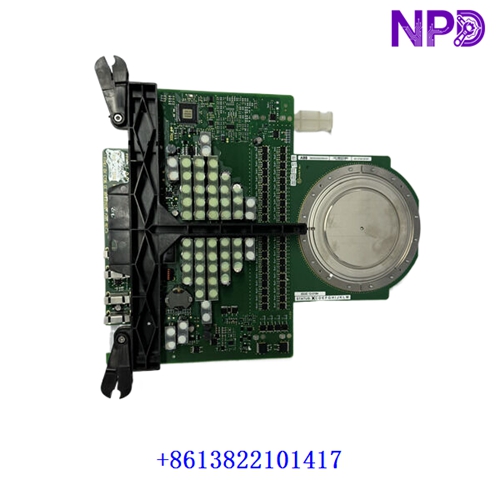
The ABB 3BHB045647R0003 is a specialized power electronic module engineered for high-performance industrial drive systems, power conversion architectures, and excitation control applications. It typically functions as an integrated gate-commutated thyristor (IGCT) or high-power semiconductor switching assembly, providing precise signal processing, fast switching transitions, and robust reliability under heavy industrial workloads.
- Brand: ABB
- Model: 3BHB045647R0003
- Part / Catalog Number: 3BHB045647R0003
- Series: Industrial Drive / Power Electronics & Excitation Control Line
- Product Name: Excitation Thyristor / IGCT Module
- Origin Country: Sweden / Global Manufacturing Standards
- Lifecycle Status: Active / Industrial Automation Spare Part Line
- Form Factor: Modular High-Power Semiconductor Assembly (Includes chip, integrated driver circuit, and thermal interface components)
- Weight: Approx. 0.5 kg to 1.5 kg (Depending on attached hardware and heatsink configuration)
- Power Rating: Medium-to-High Power Conversion & Excitation Capacity Support
🔍 Initial Operation Checklist
- Verify visual and structural integrity: Inspect the module housing, semiconductor pole pieces, and internal gate control wiring pins thoroughly for any signs of transit damage or micro-cracks.
- Confirm part identifiers: Ensure that the catalog code (3BHB045647R0003) matches the exact revision requirements specified by your drive architecture or excitation system.
- Check mechanical clamping force: Ensure uniform mounting pressure is applied across the power module package per manufacturer instructions to maintain low electrical and thermal contact resistance.
- Inspect control connections: Verify that optical interface links or gate-trigger wiring harnesses are cleanly routed and securely locked before applying control power.
- Perform baseline testing: Conduct initial insulation resistance and static parameter checks on associated power buses to prevent short circuits prior to system energization.
🛠️ Routine Maintenance & Care
- Thermal management checks: Periodically inspect liquid-cooling paths, air ventilation channels, and heatsink thermal paste conditions to guarantee optimal heat dissipation.
- Fastener monitoring: Annually check mounting clamps, busbar bolts, and screw terminals for proper torque retention under ongoing thermal cycling.
- Optical and electrical link inspection: Clean and verify control interface connectors to eliminate signal attenuation or synchronization jitter.
- Diagnostic logging: Regularly review system logs and drive diagnostic panels for early warnings related to gate firing anomalies or phase imbalances.
⚠️ Troubleshooting & Common Issues
- Gate-trigger or communication failures: Inspect optical feedback lines, gate driver power supplies, and control board status indicators if the thyristor fails to fire properly.
- Overcurrent or desaturation trips: Check load characteristics, snubber circuits, and phase-module short circuits if protective shutdowns occur.
- Thermal trip alerts: Investigate local cabinet temperatures, coolant flow rates, and heatsink contact efficiency if over-temperature thresholds are breached.
🛡️ Safety Precautions
- Qualified personnel only: Handling, installation, and servicing must be performed strictly by certified high-voltage and power electronics professionals.
- Hazardous voltage warning: Lethal electrical voltages and high stored energy are present within excitation and drive assemblies; ensure a complete lockout/tagout (LOTO) procedure and allow full capacitor discharge time prior to touching internal components.
- Electrostatic discharge (ESD) and physical care: Handle the module carefully, utilizing proper grounding safeguards to protect sensitive internal gate-control microelectronics from damage.
❓ Frequently Asked Questions (Q&A)
Q1: What systems commonly utilize the ABB 3BHB045647R0003 module?
A1: It is predominantly deployed in heavy industrial applications such as high-power variable frequency drives (VFDs), medium-voltage power converters, and generator excitation systems.
Q2: Can a different part revision be used as a direct substitute?
A2: Due to strict electrical matching and firmware/hardware handshaking requirements in high-power electronics, direct substitution should only be done with verified compatible revisions.
Q3: What are the primary indicators of a failing thyristor/IGCT module?
A3: Common indicators include drive fault codes related to phase loss, erratic firing patterns, asymmetric current draw, or specific hardware diagnostic error LED sequences.