
Description
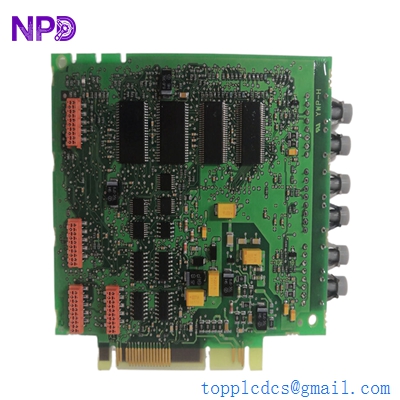
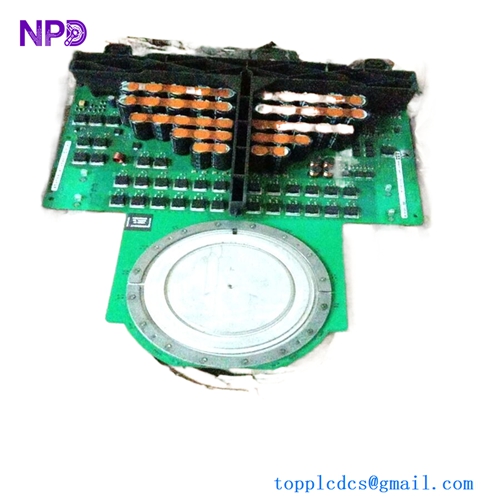
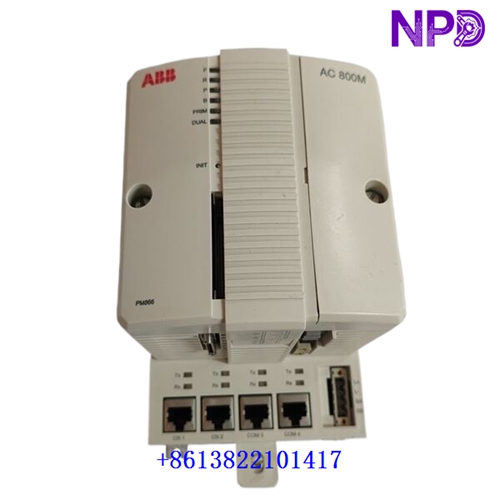
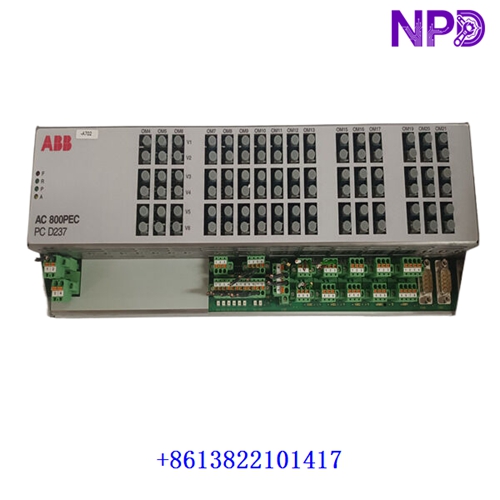
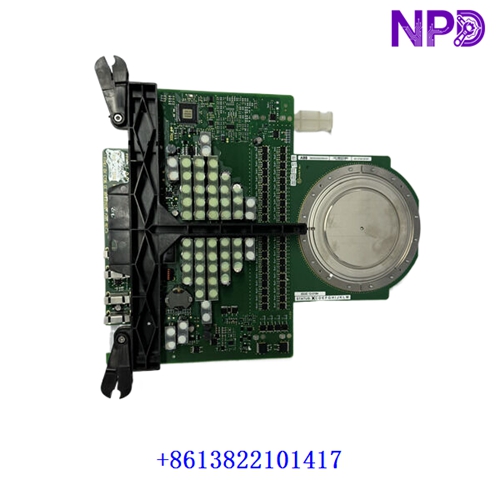
The ABB 3BHE014135R0011 (UAD149A0011) is a precision-engineered industrial automation module designed for high-performance control and signal processing within complex distributed architectures. It offers exceptional operational reliability, fast response times, and robust build quality, making it an essential component for demanding industrial process control and power automation systems.
- Brand: ABB
- Model: 3BHE014135R0011 (UAD149A0011)
- Series: Industrial Automation / Control Hardware
- Product Name: Control / Interface Module
- Place of Production: Sweden / Germany
- Lifecycle Status: Active / Industrial Standard Line
- Dimensions: Standard Rack-Mount Module Form Factor
- Weight: Approx. 0.9 kg
- Original Origin: European Union
- Power Consumption: 24V DC / Max 12W
📋 Initial Startup Inspection Checklist
- 🔍 Visual Integrity: Inspect the module chassis, connector pins, and housing for any evidence of transport damage, cracks, or environmental contamination.
- 🔍 Hardware Compatibility: Confirm that the module revision and part numbers match the designated slot requirements in the system engineering documentation.
- 🔍 Power Supply Check: Verify that input operating voltages remain within the stable nominal 24V DC range before powering up the rack.
- 🔍 Grounding Verification: Ensure that all grounding straps and backplane earth connections are securely fastened to prevent electromagnetic interference.
- 🔍 Environmental Conditions: Check that the cabinet interior temperature and humidity levels strictly adhere to operational specifications.
🛠️ Routine Maintenance and Servicing
Regular maintenance ensures continuous system uptime and extends hardware lifespan in industrial environments.
- 🔧 Dust Clearance: Periodically clean cabinet cooling vents and use low-pressure oil-free compressed air to prevent thermal buildup.
- 🔧 Terminal Inspection: Check all screw terminals and plug connections annually to counter any loosening caused by mechanical vibration.
- 🔧 Diagnostic Review: Regularly examine system event and error logs via the engineering console to detect early signs of hardware stress.
- 🔧 Backup Maintenance: Keep updated archives of system configurations and operational parameters in secure off-site storage.
🔍 Troubleshooting and Common Faults
Systematic fault isolation minimizes downtime and restores operational integrity quickly.
- ⚠️ Fault Symptom 1 (Module Unresponsive / Power LED Off): Check incoming power distribution, input protection fuses, and connection seating. Replace fuses only with identical factory ratings.
- ⚠️ Fault Symptom 2 (Communication Interruption): Inspect interface cabling, fiber connections, and network termination blocks for physical damage or loose contacts.
- ⚠️ Fault Symptom 3 (Internal Error Alarms): Verify slot alignment and clean backplane connector pins gently with electronic-grade contact cleaner if oxidation is detected.
⚡ Safety Precautions
- 🛡️ Qualified Personnel Only: All installation, wiring, and servicing must be executed exclusively by trained and certified automation technicians.
- 🛡️ ESD Compliance: Always use a calibrated wrist strap and handle circuit boards solely by their non-conductive edges to prevent static damage.
- 🛡️ Energy Isolation: Completely de-energize and lock out the rack power system prior to inserting or removing the hardware module.
❓ Frequently Asked Questions (Q&A)
- 💡 Q1: Is this module suitable for hot-swap operations in a live rack?
- A1: Hot-swapping is generally discouraged unless the specific rack backplane and system architecture feature explicit redundancy support. Always power down the system to prevent electrical surges.
- 💡 Q2: What steps should be taken if the module fails its initial self-test?
- A2: Power off the unit immediately, re-verify physical seating and cable connections, and test power stability. If the fault persists, replace the module with a verified spare and route the unit for professional repair.