
Description
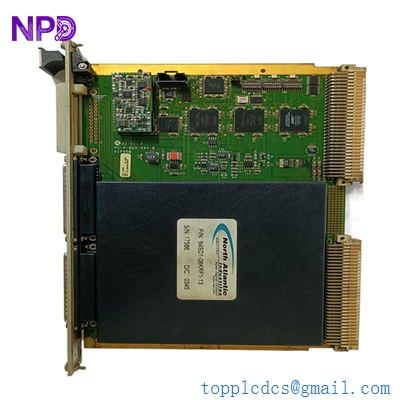
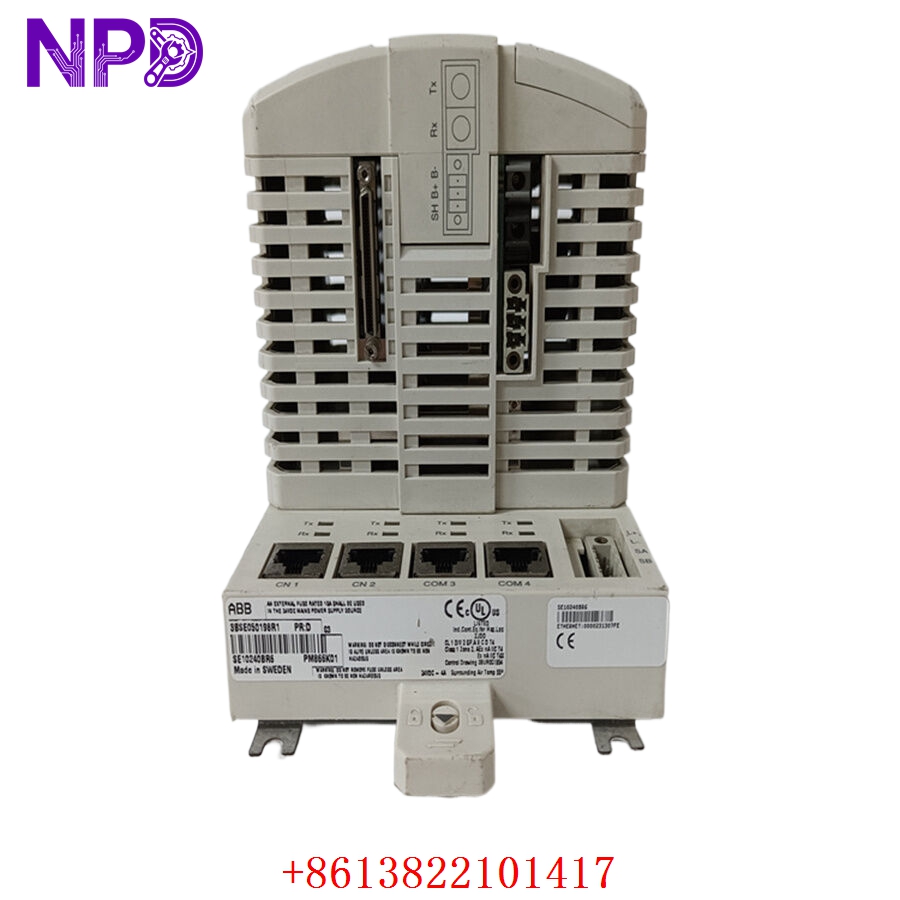
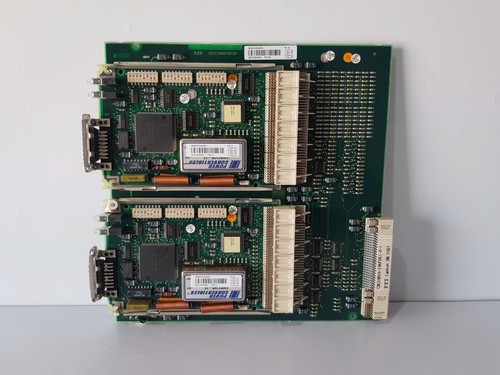
The ABB 3BSE003645R1 (often associated with the 3BSE000435R1 assembly) is a critical Printed Circuit Board (PCB) component used within the ABB MasterPiece and Advant OCS (Open Control System) architectures. These modules serve as essential processing or communication interfaces, responsible for executing control logic, handling I/O data, and maintaining synchronization across distributed control nodes in power plants and large-scale industrial manufacturing facilities.
⚙️ Technical Specifications
- Dimensions: 240 mm x 180 mm x 30 mm
- Weight: 0.55 kg
- Country of Origin: Sweden / Germany
- Supply Voltage: 5V / 24V DC (Backplane dependent)
- Operating Temperature: 0°C to +55°C
- Housing: Open-frame PCB design (requires installation in protective cabinet)
- Protection Class: IP00 (Requires mounting in an IP54 or higher cabinet)
🏗️ Application Areas
- ABB Advant OCS Control Systems
- ABB MasterPiece 200/200 Series Controllers
- Industrial Process Automation & Data Acquisition
- Power Generation Distributed Control Systems (DCS)
- Manufacturing Plant Supervisory Control
📖 Product Usage Instructions
These PCB cards must be handled using standard ESD (Electrostatic Discharge) safety protocols. When installing, ensure the backplane is free of dust and debris. Slide the card into the designated slot on the MasterPiece or Advant rack, ensuring the guide rails are aligned before applying pressure to seat the edge connector. Secure the front-panel locking screws to prevent the card from vibrating loose during operation.
🌐 Communication Configuration Steps
- IP Address: These modules typically communicate over the MasterBus or Advant Fieldbus. IP settings are defined during the initial system configuration via the ABB Engineering Tool (e.g., Control Builder).
- Station Number: The node address is often hard-coded via the system project file or specific hardware jumpers on the backplane, depending on the controller generation.
- Baud Rate: Communication speeds are pre-defined by the bus architecture; ensure your system project settings match the physical bus capacity (typically up to 2 Mbps for MasterBus).
⚡ Power-Up Debugging Flow
- Confirm that the rack power supply unit (PSU) is delivering correct voltages to the backplane.
- Ensure the PCB is fully seated in its slot.
- Power on the system and observe the LEDs. A “System OK” or “RUN” LED should be solid green.
- If a “FAULT” or “ERROR” LED is lit, access the ABB Diagnostic Tool to read the error buffer code.
- Check for any “Bus Not Ready” signals if the controller fails to communicate with other racks.
✅ Initial Run Checklist
- Perform a “Read Config” from the engineering station to ensure the card is detected by the project.
- Verify that all I/O points associated with this card show valid signal data on the HMI.
- Inspect the PCB for any signs of component overheating or capacitor leakage after the first hour of operation.
- Back up the current software load from the controller to your engineering PC.
- Test the emergency shutdown interlocks associated with this controller to ensure safety logic is active.
❓ Frequently Asked Questions (Q&A)
Q: Can I interchange the 3BSE003645R1 and the 3BSE000435R1? A: These part numbers often refer to different versions of the same assembly or specific kit components. Always verify the revision level of your existing card to ensure full software compatibility with your current project.
Q: How do I handle a “Bus Error” on this card? A: A bus error usually points to a cabling issue or a termination resistor problem on the fieldbus. Check your bus termination (typically 120 ohms) at both ends of the segment.
Q: Is it safe to clean the PCB if it is dusty? A: Yes, but only use specialized electronic-grade compressed air or a soft-bristled, anti-static brush. Do not use liquids or solvents, as these can damage the delicate traces.
Q: What is the lifespan of these PCB cards? A: These cards are designed for high-availability industrial use, often lasting 10–15 years. However, due to component aging (specifically capacitors), preventative maintenance or proactive replacement is recommended for systems exceeding 15 years in operation.