Description
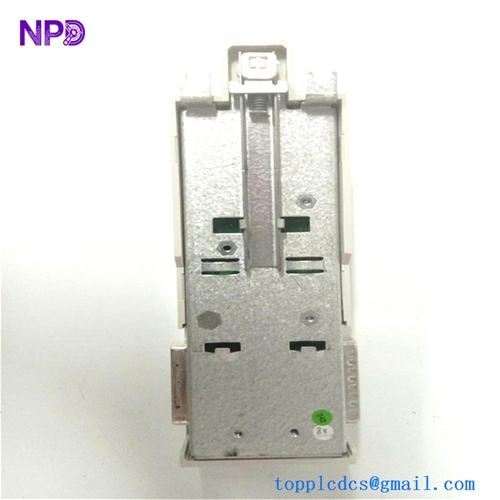
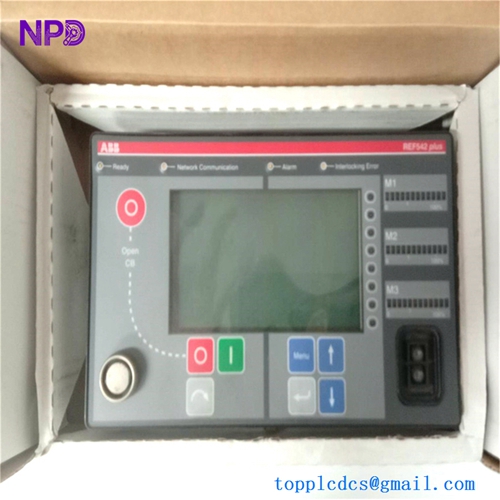
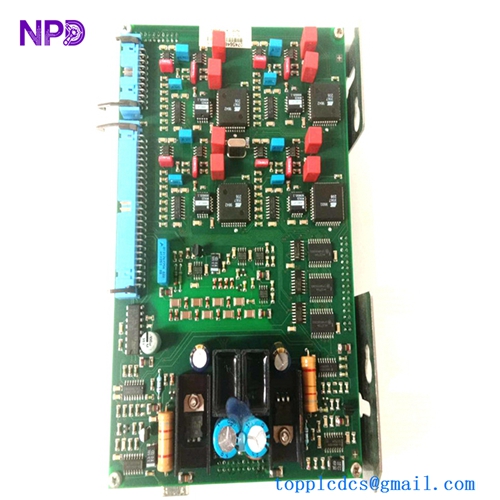
- Model: ABB 3BSE050090R20 PFEA111-20
- Brand: ABB
- Series: ABB Web Tension Measurement System
- Core Function: Measures and regulates web tension signals
- Product Type: Tension Electronics Control Module
- Key Specs: Dual load-cell input, 24 V DC supply, analog current/voltage output
The PFEA111-20 is widely used in continuous-process manufacturing where stable web tension directly affects product quality. Typical applications include:
- Paper mills
- Steel strip processing
- Printing lines
- Film winding systems
- Textile production
- Foil converting equipment
This module receives load-cell signals and converts them into stable tension feedback for closed-loop control systems. Small tension fluctuations may sound minor on paper… but in real production environments they cause:
- Web breaks
- Material wrinkles
- Uneven winding
- Scrap increases
- Production instability
That’s why experienced maintenance teams often classify this module as an “A-category” spare despite its relatively small physical size.
For spare inventory planning:
- High-speed production lines should keep 1–2 spare units locally
- Multi-plant operators can use centralized buffer stock
- Slow-moving operations may reduce carrying cost through vendor-managed inventory
The installed base for ABB tension systems remains large globally, especially in paper and metal processing industries. Many plants continue maintaining legacy tension systems because replacing the entire line control architecture would require major commissioning work and production downtime.
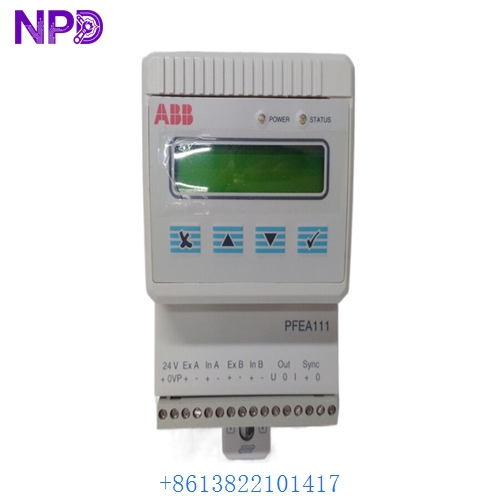
ABB PFEA111-20 3BSE050090R20
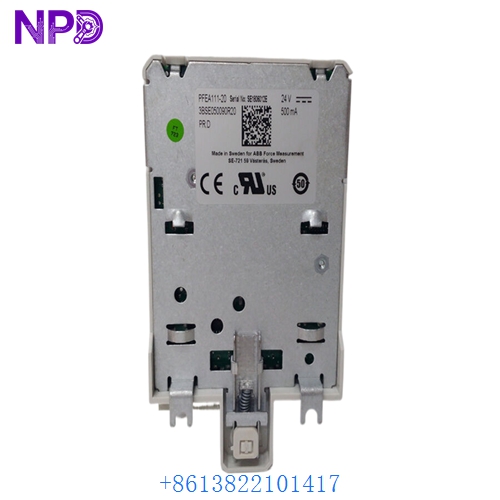
ABB PFEA111-20 3BSE050090R20
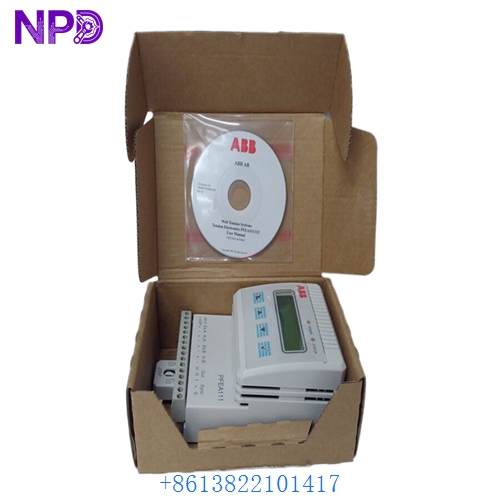
ABB PFEA111-20 3BSE050090R20
Key Technical Specifications
- Product ID: 3BSE050090R20
- ABB Type Designation: PFEA111-20
- Product Type: Tension Electronics Control Module
- Power Supply: 24 V DC (18–36 V DC)
- Power Consumption: Approximately 7.5 W
- Load Cell Inputs: 2 independent load-cell channels
- Excitation Current: 0.5 A RMS at 330 Hz
- Analog Outputs: Voltage output (-5 V to +11 V)
- Current Output: 0–21 mA
- Measurement Accuracy: Up to ±0.1%
- Display Type: Multi-language digital display
- Signal Filtering: Adjustable filter settings
- Communication Compatibility: PROFIBUS and industrial control integration support
- Operating Temperature: -20 °C to +60 °C
- Protection Rating: IP20
- Mounting Type: DIN rail mounting
- Weight: Approximately 0.4–1.0 kg depending on configuration
- Typical Applications: Web tension monitoring and closed-loop regulation
Technical specifications compiled from industrial automation references and ABB surplus documentation.
Installation & Configuration Guide
Pre-Installation Preparation (Estimated Time: 10 Minutes)
⚠️ Safety First
- Notify production personnel before maintenance
- Stop web transport equipment safely
- Isolate drive systems and control power
- Wait for complete discharge of control circuits
- Confirm lockout/tagout procedures
Required Tools:
- Anti-static wrist strap
- PH1 screwdriver
- Fluke 115 multimeter
- Signal simulator (4–20 mA)
- Label markers
- Laptop with ABB engineering tools
Before removing the old module:
- Save current parameter settings
- Record tension calibration values
- Photograph wiring terminals
- Document load-cell polarity
- Back up controller configuration
Honestly, calibration records matter a lot here. Losing original tension tuning parameters can turn a 30-minute replacement into a half-day troubleshooting session.
Removing the Existing Module (Estimated Time: 5 Minutes)
- Disconnect incoming power
- Label all signal cables carefully
- Remove load-cell wiring
- Disconnect analog output loops
- Release DIN rail latch
- Pull module vertically outward
Inspect:
- Terminal oxidation
- Connector looseness
- Ground continuity
- Heat discoloration
- Moisture traces
⚠️ Important:
Load-cell signal wiring is sensitive to electrical noise. Avoid routing sensor cables beside motor power cables during reinstallation.
Installing the New Module (Estimated Time: 10 Minutes)
- Wear anti-static protection
- Open anti-static packaging carefully
- Verify exact model number: PFEA111-20 / 3BSE050090R20
- Inspect terminals and connectors
- Mount module securely onto DIN rail
- Restore wiring according to photos and labels
- Tighten terminals evenly
Critical Configuration Items:
- Load-cell scaling
- Filter settings
- Analog output mode
- Tension engineering units
- Alarm thresholds
- Control response timing
Installation checklist:
- Ground connected correctly
- Load-cell polarity verified
- Analog outputs confirmed
- Shield grounding separated properly
- DIN rail latch secured
- No loose wiring inside cabinet
Power-On & Functional Testing (Estimated Time: 15 Minutes)
Before energizing:
- Verify 24 V DC supply
- Measure insulation resistance (>10 MΩ recommended)
- Confirm no short circuits
Power-up sequence:
- Energize control cabinet
- Observe startup display
- Verify no diagnostic alarms
- Connect engineering software
- Confirm load-cell readings
- Verify analog output scaling
Functional tests:
- Simulate tension changes
- Observe output response
- Verify filtering behavior
- Test alarm thresholds
- Confirm communication stability
Our standard QC workflow includes:
- Original label verification
- Serial number traceability
- Connector inspection
- Live signal simulation
- 24-hour powered runtime testing
- Thermal condition monitoring
- Analog calibration verification
We normally use calibrated signal simulators and ABB-compatible testing racks during verification. Test photos, calibration screenshots, and startup videos can usually be shared before shipment.