Description
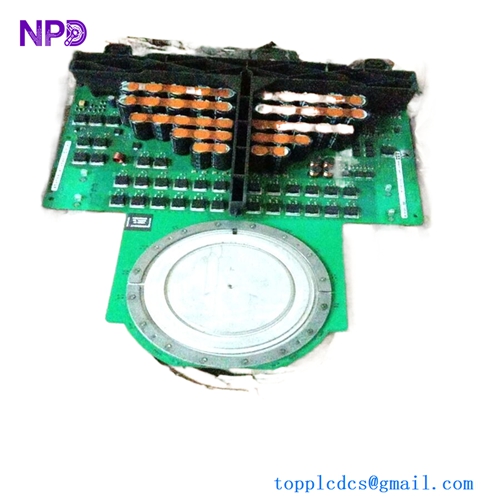
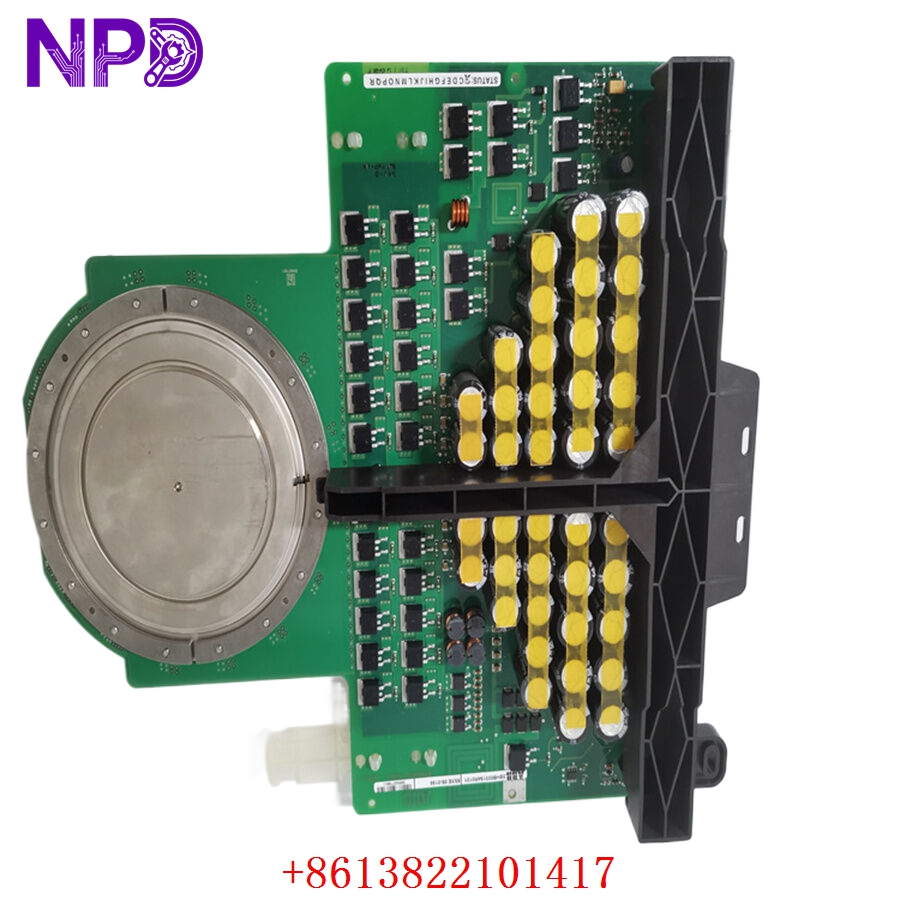
- Model: 3BHL000390P0104 (5SHX1960L0004)
- Brand: ABB (Switzerland)
- Series: ABB Semiconductors (High-Power GTO Thyristor Series)
- Core Function: High-voltage, high-current power switching for drive converters.
- Product Type: Semiconductor / GTO Thyristor
- Key Specs: High blocking voltage, high controllable current, low on-state losses.
- Peak Off-state Voltage: 4,500 V (Typical for 5SHX series)
- Controllable Turn-off Current: 1,960 A
- Package Type: Press-pack (Disk type)
- Cooling Requirement: Double-sided liquid or forced-air cooling
- Application: High-power traction converters, industrial drives, and static VAR compensators
- Mounting Force: Requires specific calibrated pressure (refer to manufacturer torque chart)
- Thermal Resistance: Low junction-to-case thermal resistance for high-frequency switching
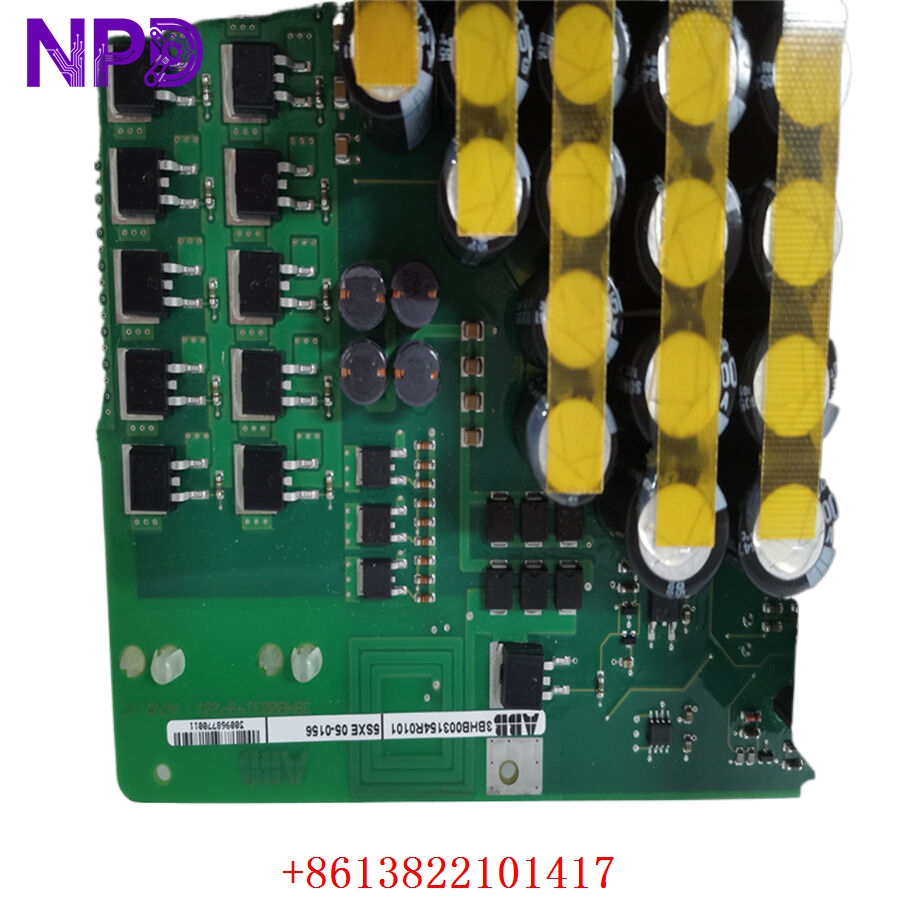
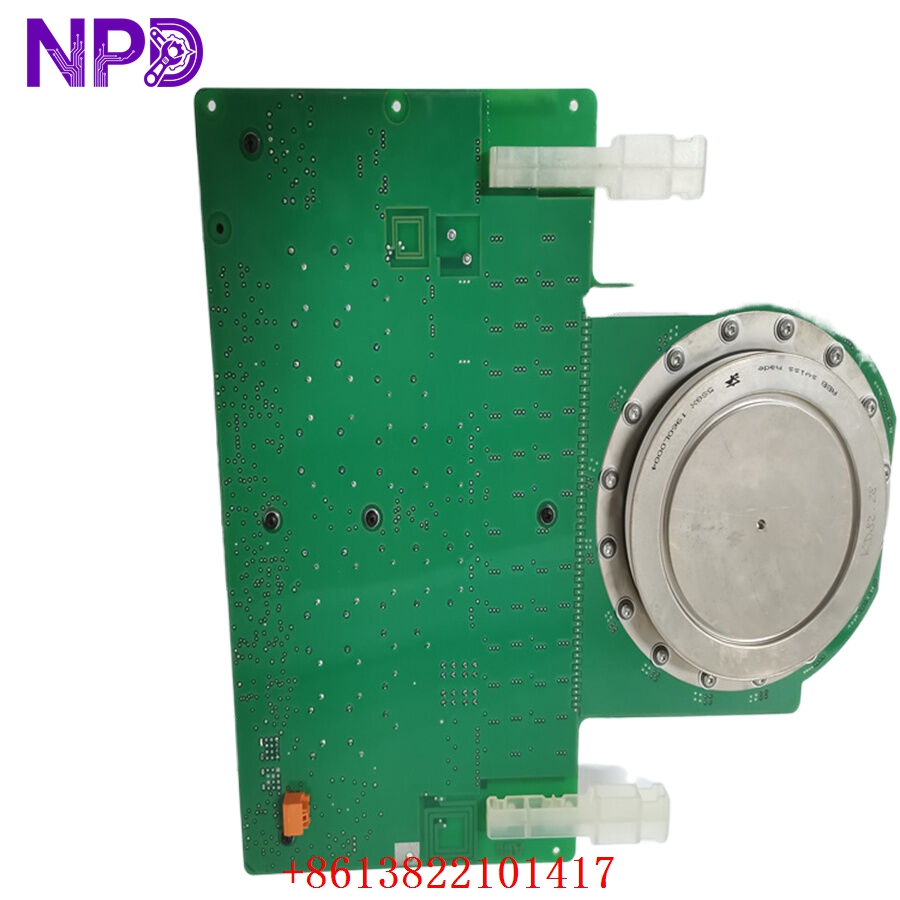
Engineering Pain Points & Application Scenarios
Replacing a high-power GTO thyristor is not just a parts swap; it is a precision mechanical task. The primary pain point is the clamping pressure. If the mounting force is uneven or incorrectly torqued, the component will suffer local overheating and fail within hours of operation.
Typical Application Scenarios:
- Railway Traction – Locomotive Drives: Used in the power conversion stages of high-speed train propulsion systems.
- Heavy Industry – Medium Voltage Drives: Controlling large synchronous motors in mining and mineral processing.
- Power Grid – Static VAR Compensators (SVC): Managing reactive power compensation in transmission lines to maintain grid stability.
Technical Pitfalls & Replacement Advice
When replacing an 5SHX1960L0004, my “veteran engineer” checklist is mandatory to prevent repeating the failure:
- Clamping Force Accuracy: Never guess the torque. Use a calibrated torque wrench and follow the specific pressure (kN) defined in the ABB datasheet. Pro tip: Use an indicator gauge to verify pressure on the clamp.
- Surface Preparation: Ensure the heat sink surfaces are perfectly clean. Any oxidation or microscopic debris will cause localized thermal hotspots, killing the new GTO.
- Thermal Compound: Use only high-grade, manufacturer-approved thermal interface material. Apply a very thin, uniform layer. Too much grease is just as dangerous as too little.
- Snubber Circuit Check: If the GTO failed, inspect the surrounding R-C snubber circuits. Often, a failing capacitor or resistor in the snubber is what caused the voltage spike that destroyed the GTO in the first place.
Troubleshooting Quick Reference
| Symptom | Probable Cause | Impact on GTO | Quick Check | Handling Advice |
|---|---|---|---|---|
| Short Circuit (Anode-Cathode) | Overvoltage / Overcurrent | ✅ High | Multimeter (Ohms mode) | Replace GTO; check snubber |
| Gate Failure (Open/Short) | Gate drive circuit failure | ✅ High | Test Gate-Cathode junction | Replace GTO; check Gate Unit |
| Tripping under load | Thermal runaway | ⚠️ Medium | Measure contact temperature | Verify cooling flow/pressure |
| Intermittent switching | Poor contact/pressure | ❌ Low | Inspect mechanical clamps | Re-torque clamp assembly |
Quality Assurance (SOP Transparency): We treat these high-power semiconductors with extreme care:
- Visual Inspection: Microscopic inspection of the ceramic housing for hairline cracks.
- Electrical Test: Blocking voltage test and gate current trigger verification using a semiconductor curve tracer.
- Storage: Kept in a moisture-controlled, ESD-safe, and vibration-free environment.
To be honest, these components have a limited shelf life if not stored correctly. If you are ordering this as a spare, make sure your storage environment is climate-controlled. If your drive is currently down, check the Gate Unit (driver board) output before installing the new GTO to ensure you don’t instantly destroy the new part.