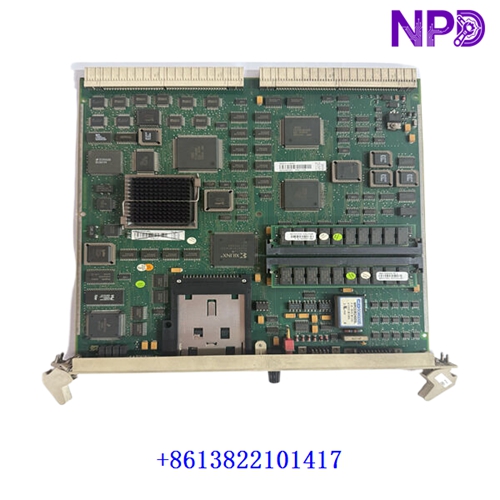

Description
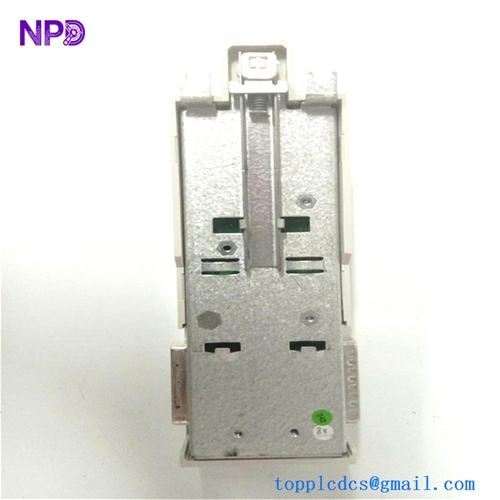
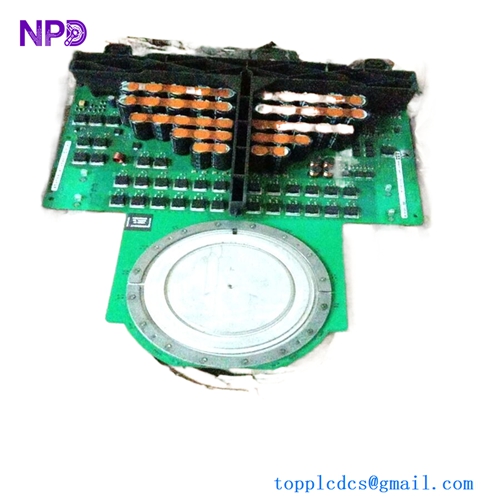
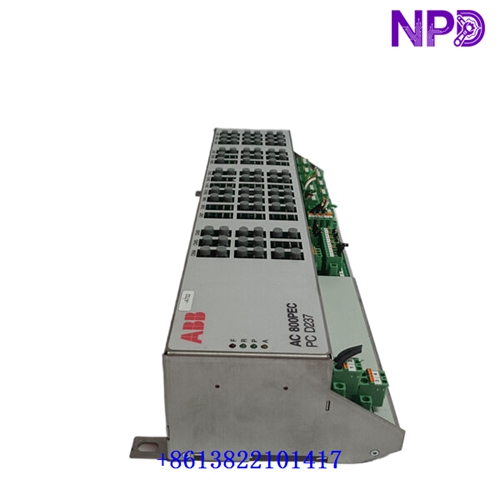
The ABB PPD113 (Part Number: 3BHE013692R0001) is a high-performance process control module and processing unit belonging to ABB’s AC 800PEC control architecture. Engineered specifically for high-speed industrial power electronics, medium-voltage drives, static excitation systems (such as UNITROL 6000), and large-scale power conversion plants, it combines floating-point RISC processing with FPGA hardware to execute fast control cycles (down to 100 microseconds) alongside standard plant-level DCS tasks.
- Brand: ABB
- System Platform: AC 800PEC (ControlIT Architecture)
- Model Designation: PPD113
- Part / Order Code: 3BHE013692R0001
- Product Name: High-Performance Process Control Module / Controller
- Architecture: RISC Processing Core with Integrated FPGA Engine & Optical I/O Interfacing
- Origin Country: Switzerland / Sweden
- Lifecycle Status: Active / Industrial High-Performance Control Line
- Dimensions: Approx. 150 mm × 450 mm × 100 mm
- Weight: Approx. 1.5 kg to 2.8 kg
- Operating Logic Power: 24V–60V DC internal bus powered via AC 800PEC backplane chassis

🔍 Initial Operation Checklist
- Visual & physical inspection: Examine the module enclosure, optical fiber ports, edge connectors, and backplane interface pins thoroughly for any shipping damage or mechanical stress.
- Confirm part numbers: Verify that the model code (PPD113) and exact part string (
3BHE013692R0001) match your plant’s engineering drawings and system rack slot allocations. - Inspect slot mounting: Carefully align and slide the control module into its designated slot within the AC 800PEC rack enclosure (AC 800PEC BP) until fully seated and latched.
- Check optical & fieldbus connections: Ensure all fiber-optic links (UF D128 or equivalent) and AnyBus communication modules (e.g., Modbus, PROFIBUS, Ethernet/IP) are firmly locked into position.
- Validate logic power: Confirm that control supply voltages (24V–60V DC bus) are clean, properly fused, and within normal operating parameters before energizing.
🛠️ Routine Maintenance & Care
- Optical port care: Keep unused fiber-optic transceiver ports covered with protective dust caps. Clean fiber connectors using specialized lint-free optical wipes if signal attenuation is detected.
- Thermal management: Ensure cabinet cooling fans and cabinet ventilation paths remain completely unobstructed to prevent microcircuit overheating.
- Terminal & mechanical audits: Periodically inspect backplane seating, retention screws, and external wiring harnesses for looseness caused by machine vibration.
- Firmware & setting backups: Maintain regular backups of application logic, parameter configuration files, and FPGA runtime scripts via ABB’s engineering toolset.
⚠️ Troubleshooting & Common Issues
- Communication or optical link drops: Check fiber-optic cable bend radiuses, connector cleanliness, and transceiver alignment if peripheral I/O modules lose synchronization.
- Boot or initialization failures: Reseat the PPD113 module firmly in its backplane slot and verify logic supply rail voltages if status LEDs fail to cycle into operational state.
- Control cycle execution faults: Review task allocations and FPGA code mapping in the engineering software if rapid loop execution bottlenecks occur.
🛡️ Safety Precautions
- Certified technicians only: Installation, fiber handling, parameter configuration, and maintenance must be performed strictly by qualified automation and power electronics specialists.
- High-voltage isolation: The AC 800PEC platform often controls high-power, medium-voltage drives and generator excitation circuits; ensure full lockout/tagout (LOTO) and capacitor bank discharge before touching system cabinets.
- Electrostatic discharge (ESD) protection: Always wear a properly grounded ESD wrist strap when handling bare modules or manipulating backplane boards.
❓ Frequently Asked Questions (Q&A)
Q1: What makes the AC 800PEC PPD113 module different from standard industrial PLCs?
A1: The PPD113 leverages a hybrid processing architecture (RISC CPU combined with FPGA logic), enabling ultra-fast control cycles down to 100 microseconds required for dynamic power electronics, frequency converters, and generator excitation.
Q2: What primary systems utilize the PPD113 3BHE013692R0001 controller?
A2: It is widely deployed in heavy-duty applications including UNITROL static excitation systems, PCS6000 medium-voltage converters, large industrial drive systems, and power grid regulation units.
Q3: How are peripheral I/O devices connected to the PPD113 module?
A3: Fast peripheral devices and I/O channels communicate with the controller via high-speed, noise-immune fiber-optic PowerLinks (UF D optical modules) and standard fieldbus interfaces (such as PROFIBUS or Modbus RTU).