
Description
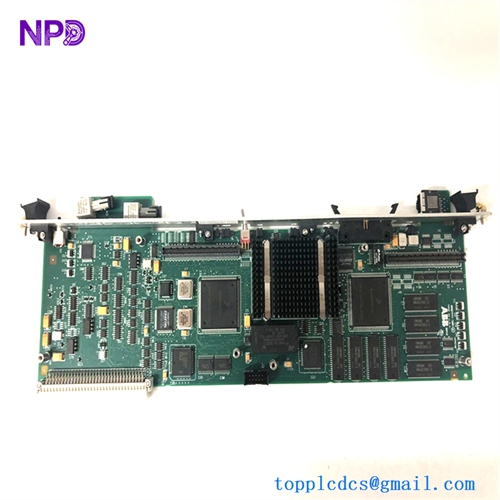
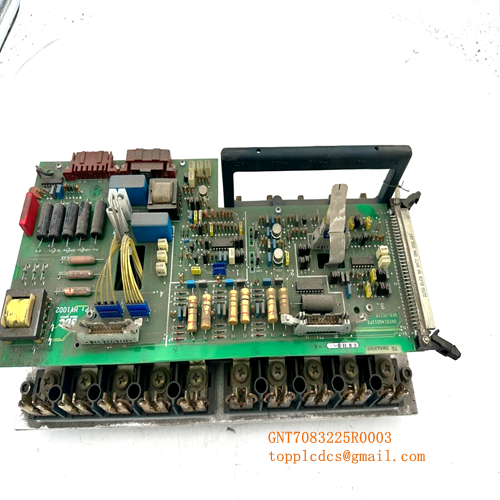
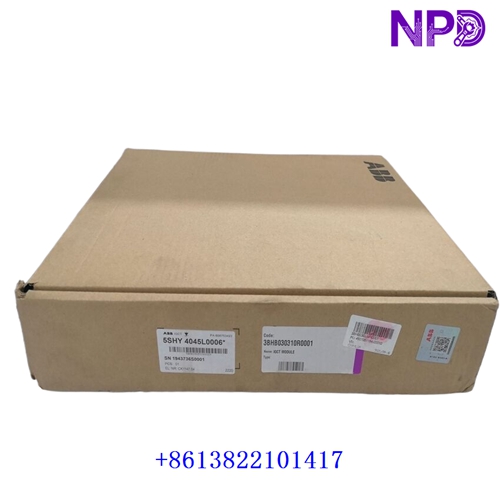
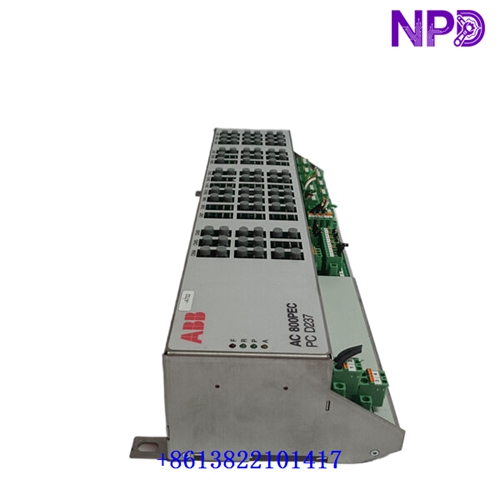
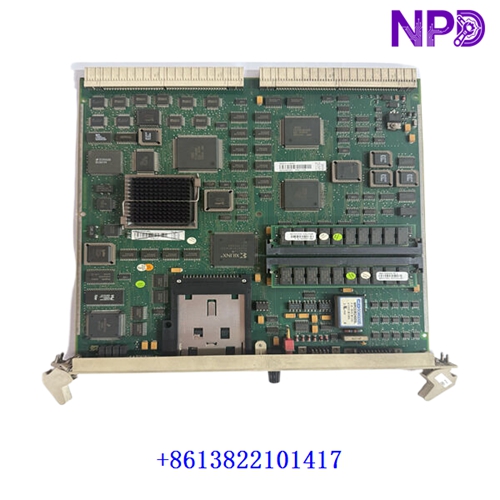
The ABB Bailey SPHSS13 is a high-performance Hydraulic Servo Module (frequently utilized as a DEH – Digital Electro-Hydraulic servo card) engineered for the ABB Harmony / Symphony Plus control system environment. It is specifically designed for critical turbine control and heavy industrial applications requiring precise, high-speed management of hydraulic actuators, servo valves, steam flow regulation, and precise position, velocity, or pressure control loops.
Product Datasheet
| Parameter | Specification |
| Brand | ABB (Bailey / Symphony Plus / Harmony Series) |
| Model / Part ID | SPHSS13 |
| Product Name | Hydraulic Servo Module / DEH Servo Card |
| Control Features | Redundant servo coils, redundant AC or DC LVDT feedback, PI and P-only control algorithms |
| Number of Channels | 1 Channel configuration per module framework |
| Supply Voltage | 24 VDC (or 48 VDC depending on system build variant) |
| Power Consumption | Maximum 20 W |
| Signal Outputs / Inputs | Servo valve interface (0–10V or 4–20mA support profiles; LVDT position feedback) |
| Dimensions | Approx. 297.18 mm (Depth) × 35.56 mm (Height) × 175.26 mm (Width) |
| Weight | Approximately 0.27 kg to 0.3 kg (Net) |
| Operating Temperature | -20°C to +80°C (Variant dependent) |
Initial Operation Checklist
✓ Ensure the Harmony rack slot is clean, correctly addressed, and designated for the SPHSS13 module prior to physical insertion.
✓ Verify that field wiring terminations from the servo valve coils and AC/DC LVDT feedback sensors match system layout schematics.
✓ Confirm that system control cabinet power rails supply a stable 24 VDC (or 48 VDC) matching operational requirements.
✓ Check that module configuration software parameters (such as PI tuning and feedback scaling) align with the target turbine or hydraulic actuator dynamics.
Routine Maintenance
⚙ Periodically inspect module edge connectors and backplane pins for security and corrosion resistance against industrial wear.
⚙ Monitor diagnostic error registers and fault-tracking logs via the Symphony Plus / Harmony engineering software interface.
⚙ Check redundancy health indicators for dual servo coils and LVDT feedback lines to ensure uninterrupted control uptime.
⚙ Verify shielding continuity and ground connections on all servo control and feedback loops to prevent electrical noise interference.
Troubleshooting & Common Issues
⚡ Actuator Positioning Drift: Check LVDT feedback calibration, inspect mechanical linkage wear, and verify wiring stability on feedback signal channels.
⚡ Servo Valve Response Failure: Inspect 24V DC power rails, check dual servo coil continuity, and look for internal module trip flags via diagnostic software.
⚡ Communication / Rack Faults: Ensure the card is completely seated into the rack backplane and verify slot configuration parameters.
Safety Precautions
⚠ Always isolate hydraulic pressure systems and de-energize electrical power rails before servicing or replacing the servo card.
⚠ Observe strict electrostatic discharge (ESD) precautions—such as utilizing a grounded wrist strap—when handling the module board.
⚠ Only qualified engineering personnel certified for ABB control systems should configure or adjust turbine DEH loop parameters.
⚠ Strictly adhere to local plant safety guidelines, LOTO procedures, and system integration manuals.
Frequently Asked Questions (Q&A)
Q: What is the primary use case for the SPHSS13 module?
A: It is widely deployed in power generation and heavy industrial plants as a dedicated turbine DEH (Digital Electro-Hydraulic) servo controller to govern steam valve positions, fuel flows, and precise hydraulic actuator mechanics.
Q: Does the SPHSS13 support redundant feedback setups?
A: Yes, it features built-in support for redundant servo coils and redundant AC or DC LVDT position feedback devices to maximize operational availability and safety.
Q: Which control system architecture does this card belong to?
A: It is an I/O and control component integrated into the ABB Harmony Rack / Symphony Plus automation ecosystem.