
Description
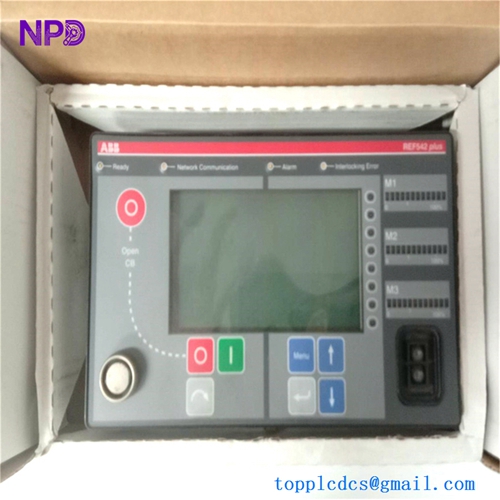
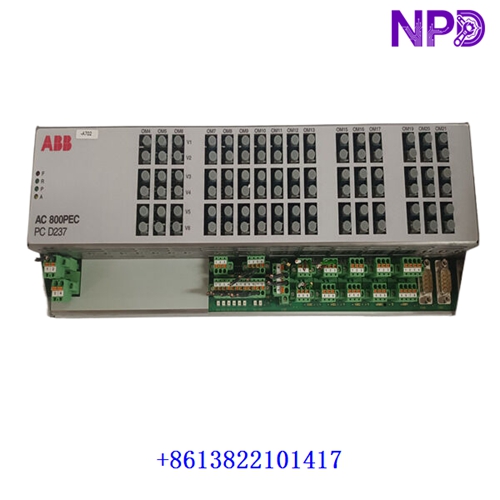
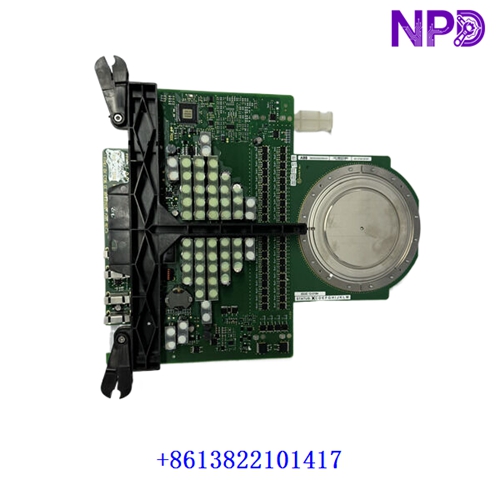
The ABB CI861 (3BSE058590R1) is a high-performance communication interface module engineered specifically for ABB industrial automation systems, such as the ABB Advant Controller and System 800xA. It provides robust, reliable communication bridging and data exchange capabilities, making it an essential component for connecting distributed I/O nodes and ensuring seamless real-time data flow across complex industrial control architectures.
- Brand: ABB
- Model: CI861 (3BSE058590R1)
- Series: System 800xA / Advant Communication Line
- Product Name: Communication Interface Module
- Place of Production: Sweden / Germany
- Lifecycle Status: Active / Industrial Core Line
- Dimensions: Standard Modular Rack Mount Form Factor
- Weight: Approx. 0.7 kg
- Original Origin: European Union
- Power Consumption: 24V DC / Max 8W
📋 Initial Startup Inspection Checklist
- 🔍 Visual Integrity: Inspect the module enclosure, front interface ports, and backplane connector pins for any physical transport damage, bending, or moisture exposure.
- 🔍 Firmware & Revision Match: Confirm that the module firmware and hardware revision align correctly with the system engineering network configuration.
- 🔍 Power Supply Verification: Measure the incoming DC supply voltage with a calibrated multimeter to ensure stable operation within the specified 24V DC tolerance.
- 🔍 Grounding Continuity: Verify that the rack grounding paths and shielding clamps are securely connected to maintain high electromagnetic compatibility (EMC).
- 🔍 Environmental Assessment: Ensure that cabinet internal temperatures and humidity levels comply strictly with operational specifications.
🛠️ Routine Maintenance and Servicing
Regular maintenance ensures continuous communication reliability and prevents unexpected network downtime in plant operations.
- 🔧 Ventilation Maintenance: Periodically clear cabinet air filters and cooling paths using clean, dry, oil-free compressed air to prevent thermal accumulation.
- 🔧 Connector Inspection: Annually check network cables, plug-in connectors, and terminal blocks to prevent loosening caused by industrial vibration.
- 🔧 Diagnostic Monitoring: Routinely audit module status LEDs and network diagnostic logs via the engineering workstation to detect early communication anomalies.
- 🔧 Configuration Backups: Maintain secure, up-to-date archives of communication profiles and network node parameters in off-site storage.
🔍 Troubleshooting and Common Faults
Systematic fault isolation ensures rapid recovery from network and communication disruptions.
- ⚠️ Fault Symptom 1 (Communication Bus Fault / LED Red): Check network cable continuity, bus termination resistors, and node address settings.
- ⚠️ Fault Symptom 2 (Module Unresponsive / Power LED Off): Inspect primary power feed distribution, internal board protection fuses, and backplane seating depth.
- ⚠️ Fault Symptom 3 (Intermittent Packet Drops): Inspect fiber optic or copper cabling for physical damage, sharp bends, or loose connector locks.
⚡ Safety Precautions
- 🛡️ Qualified Personnel Only: Installation, network configuration, and servicing must be executed exclusively by certified automation and network engineers.
- 🛡️ ESD Protection: Always utilize a calibrated grounding wrist strap and handle internal circuit boards strictly by their non-conductive edges.
- 🛡️ Energy Isolation: Completely de-energize and lock out the rack system prior to inserting or removing the communication interface module.
❓ Frequently Asked Questions (Q&A)
- 💡 Q1: Can this communication interface module be hot-swapped in a live rack?
- A1: Hot-swapping is generally restricted unless explicitly supported by the specific system rack redundancy configuration. Always consult system documentation before module extraction.
- 💡 Q2: What should be done if the module fails to join the control network after replacement?
- A2: Verify that the node address settings, network termination, and firmware versions match the requirements of the master controller configuration.