Description
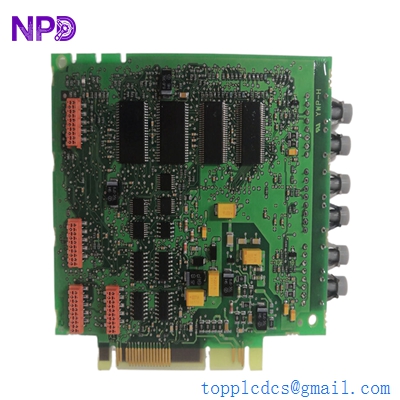
The ABB DSAB-01C is a high-precision analog input and interface module designed for integration within ABB’s industrial drive systems and specialized control architectures. This DSAB-01C board provides essential signal conditioning and conversion, allowing for the accurate acquisition of field data such as temperature, pressure, or flow into the central processing unit. Engineered for durability, it features robust galvanic isolation and noise filtering, ensuring that sensitive control logic remains protected from the electrical interference and high-voltage transients common in heavy industrial environments like steel mills and chemical plants.
Technical Specifications
- Model Number: DSAB-01C
- Part Number: 57310256-AG (Typical)
- Function: Analog Input / Interface Board
- Input Channels: Multiple high-resolution analog inputs
- Signal Types: Supports 0-10V, 4-20mA, and PT100 configurations
- Power Supply: 24V DC nominal
- Connection: Multi-pin plug-in headers and terminal strips
- Isolation: Optically isolated signal paths
- Operating Temperature: 0°C to +55°C
- Compatibility: Used in ACV 700 / DCV 700 and older Advant systems This interface board serves as a critical bridge for real-time feedback, enabling the drive system to make micro-second adjustments to motor speed or torque based on precise analog measurements from the process environment.
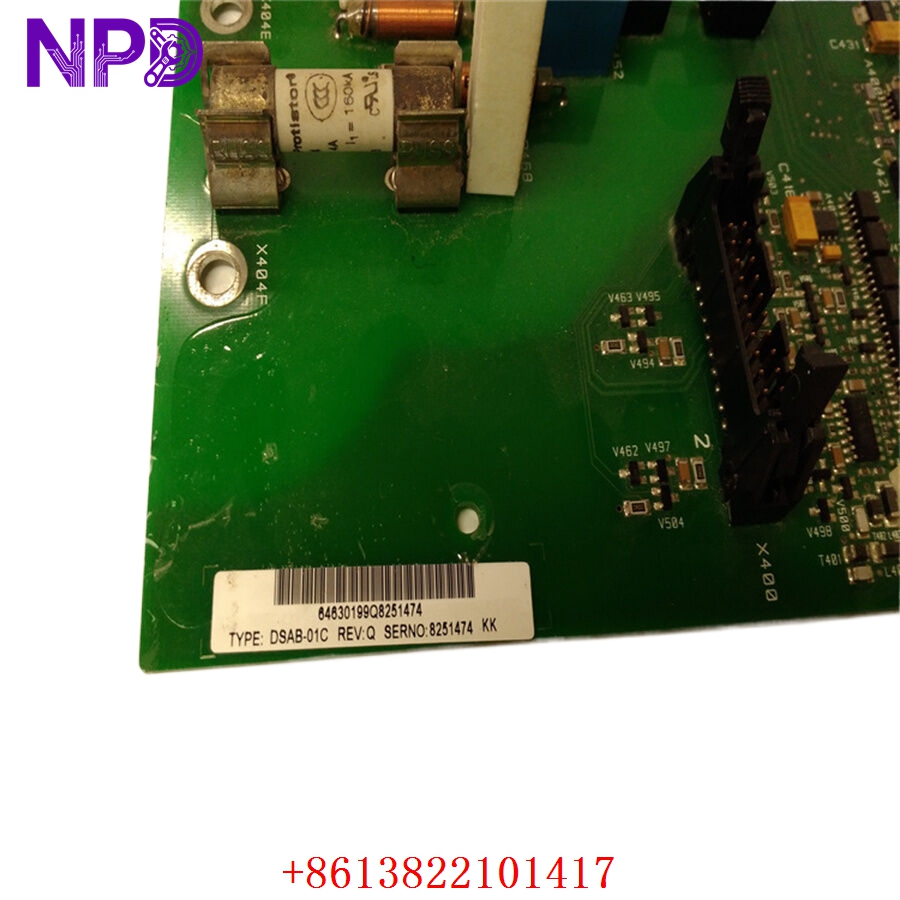
ABB DSAB-01C
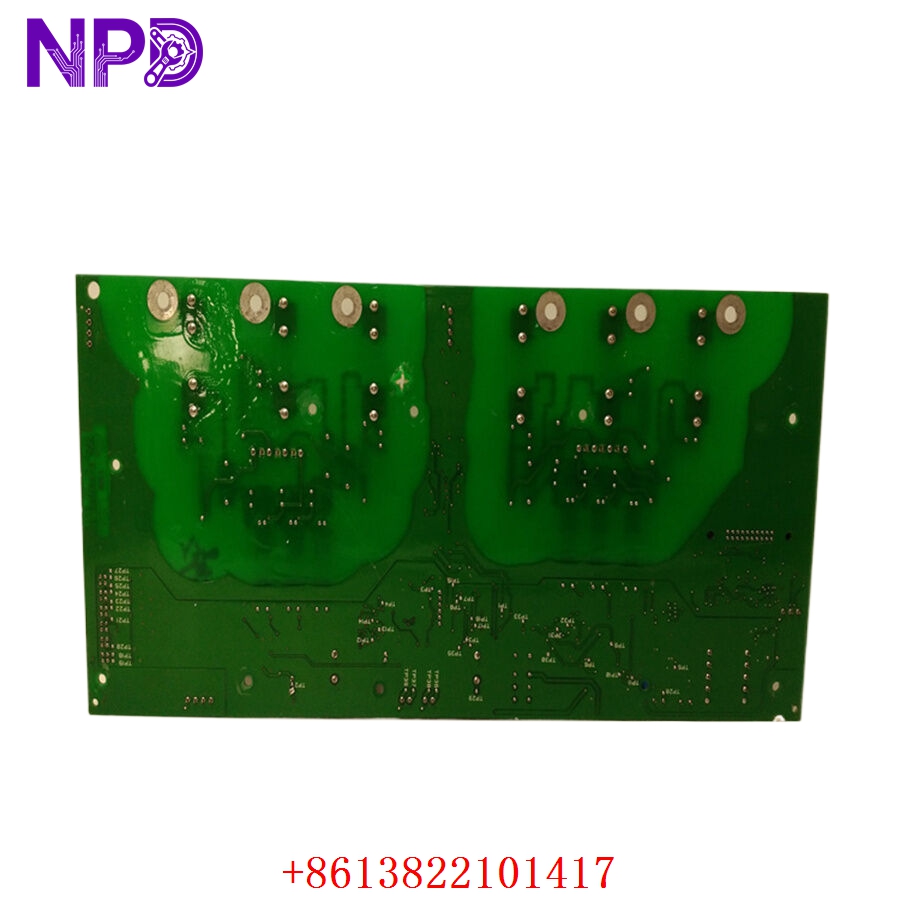
ABB DSAB-01C
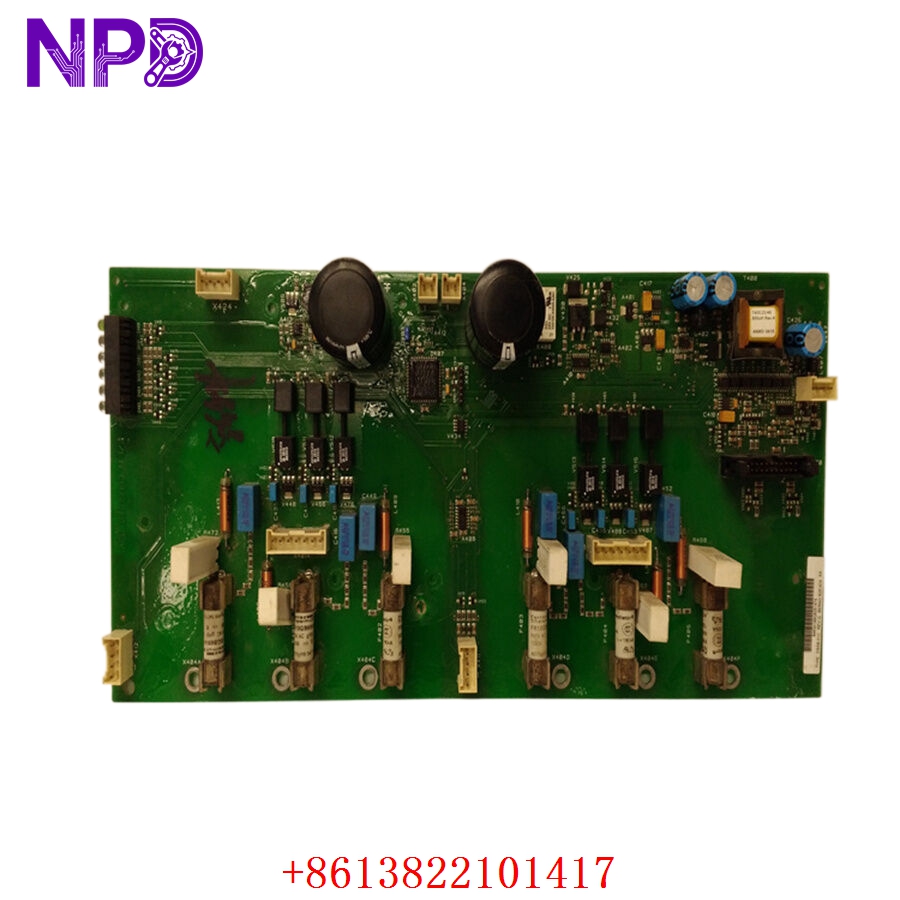
ABB DSAB-01C
Model Comparison
The ABB DSAB-01C is the enhanced version of the earlier DSAB-01 and DSAB-01B revisions, featuring improved component stability and better thermal resistance for long-term operation. While it shares a similar physical footprint with the DSAC or DSAD series, the DSAB-01C is specifically optimized for input-heavy applications rather than output or pulse-counting tasks. The “C” revision specifically denotes a refined PCB layout that reduces crosstalk between adjacent channels compared to the original “A” version hardware.
Operational Tips
- Shielding Protocol: Always use twisted-pair shielded cables for analog inputs and ensure the shield is grounded only at one end to prevent ground loops that could distort signals.
- Calibration Check: Upon installation, verify the scaling factors in the control software to ensure the analog-to-digital conversion accurately reflects the physical values from your sensors.
- Component Handling: This board contains sensitive surface-mount devices; do not touch the gold-plated edge connectors with bare hands, as skin oils can cause oxidation and intermittent contact over time.
- Terminal Integrity: Check for secure screw connections on the terminal block regularly, as vibration in industrial cabinets can lead to “noisy” signals caused by loose wiring.