
Description
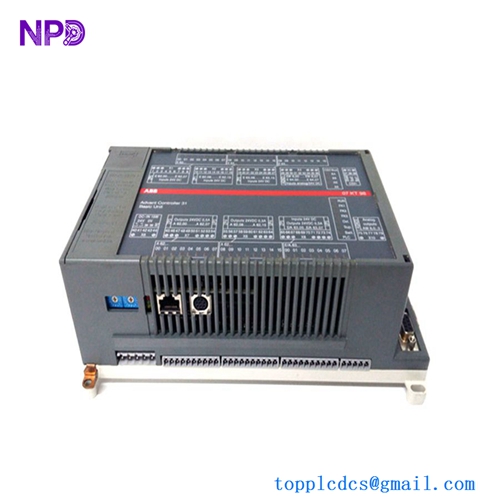
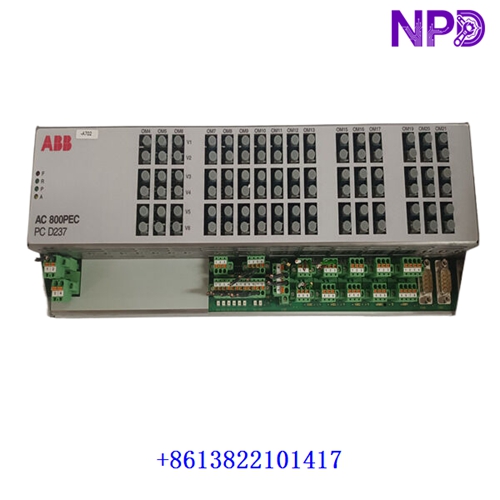
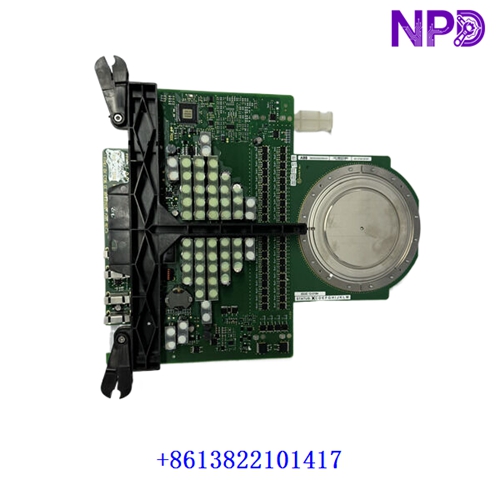
The ABB KUC711AE101 (3BHB004661R0101) is an advanced gate unit power supply module engineered specifically for high-power industrial drive systems, medium-voltage frequency converters, and excitation control architectures. It converts control cabinet input power into multi-channel, isolated, precision DC voltages required for reliable gate unit and semiconductor operation.
- Brand: ABB
- Model: KUC711AE101
- Series: IGCT / Medium-Voltage Drive Power Line
- Product Name: Gate Unit Power Supply Module
- Place of Production: Switzerland
- Lifecycle Status: Active / Industrial Core Line
- Dimensions: Approx. 30 x 21 x 20 cm (System Assembly Form Factor)
- Weight: Approx. 4.7 kg
- Original Origin: European Union
- Power Consumption: Multi-channel isolated outputs / Rated for heavy-duty industrial converter operation
📋 Initial Startup Inspection Checklist
- 🔍 Visual Integrity: Inspect the module chassis, connector pins, and subboards for any physical signs of transit damage, loosening, or environmental contamination.
- 🔍 Voltage Range Verification: Confirm that incoming supply voltages match the designated operational input thresholds before applying primary power.
- 🔍 Terminal Security: Check all screw terminals and internal plug connections to ensure secure physical and electrical contact.
- 🔍 Grounding Continuity: Verify that cabinet grounding and shielding paths are properly bonded to maintain strict electrical isolation and noise immunity.
- 🔍 Environmental Assessment: Ensure that surrounding control enclosure temperatures and humidity levels comply safely with operational limits.
🛠️ Routine Maintenance and Servicing
Regular preventive maintenance ensures optimal reliability and protects critical medium-voltage power electronics from unexpected failure.
- 🔧 Ventilation & Cooling Check: Periodically inspect cabinet cooling fans and airflow paths to prevent localized thermal accumulation.
- 🔧 Terminal Inspection: Annually check power wiring and terminal blocks to guard against loosening induced by environmental vibration.
- 🔧 Diagnostic Monitoring: Routinely audit module status indicators and system event logs via the control interface to catch early anomalies.
- 🔧 Isolation Testing: Periodically verify the integrity of electrical isolation barriers separating low-voltage control circuits from high-voltage sections.
🔍 Troubleshooting and Common Faults
Systematic fault isolation ensures rapid recovery from power conversion anomalies.
- ⚠️ Fault Symptom 1 (Output Voltage Loss / LED Off): Check primary input power distribution, external protection fuses, and internal board connections.
- ⚠️ Fault Symptom 2 (Internal Overheat Protection Trip): Inspect cabinet cooling performance, clear any blocked airflow vents, and verify ambient temperatures.
- ⚠️ Fault Symptom 3 (Overcurrent or Short Circuit Faults): Inspect downstream gate drive loads for short circuits or component failure, allowing auto-recovery features to engage only after clearing faults.
⚡ Safety Precautions
- 🛡️ Qualified Personnel Only: Installation, wiring, and servicing must be executed strictly by certified high-voltage and automation engineers.
- 🛡️ Lethal Voltages (LOTO): Fully de-energize the system, isolate input power sources, and discharge internal capacitors before handling the hardware.
- 🛡️ ESD Compliance: Always use a calibrated grounding wrist strap and handle sensitive electronic subboards carefully by their non-conductive edges.
❓ Frequently Asked Questions (Q&A)
- 💡 Q1: What is the primary function of this gate unit power supply?
- A1: It converts control cabinet input power into stable, multi-channel, galvanically isolated DC voltages required to safely drive high-power semiconductor switches.
- 💡 Q2: What steps should be taken if the module trips on over-temperature protection?
- A2: Power down the system immediately, inspect the cabinet ventilation and cooling fans for blockages, and ensure ambient operating temperatures are within acceptable ranges before restarting.