Description
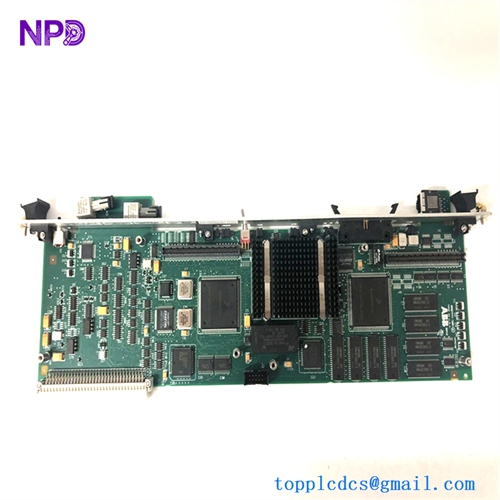
- Model: ABB LDGRB-01 (Material No: 3BSE013177R1)
- Brand: ABB (Sweden)
- Series: Advant Master / ACV 700 / DCV 700 Drive Systems
- Core Function: Main logic and processing unit for high-performance industrial drives
- Type: Drive Control and Interface Board
- Key Specs: 16-bit/32-bit microprocessor architecture, supports high-speed fiber optic or bus communication
- Processor: High-speed digital signal processor for real-time motor control loops
- Memory: Integrated Flash and RAM for firmware execution and parameter storage
- Communication Interface: Dedicated ports for encoder feedback and master-level bus (e.g., AF 100 or Advant Fieldbus)
- Input Voltage: +5 V DC, ± 15 V DC, and +24 V DC (supplied by drive power assembly)
- Status Indicators: Multi-segment LED or discrete LEDs for Run/Fault/Alarm diagnostics
- I/O Capability: On-board digital and analog processing for drive-specific interlocks
- Operating Temp: 0°C to +55°C (Standard industrial drive cabinet rating)
- Compatibility: Optimized for large-scale AC and DC converter units in the Advant Master family
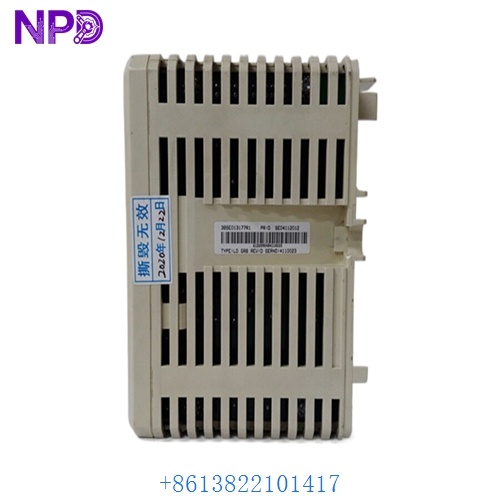
ABB LDGRB-01 3BSE013177R1
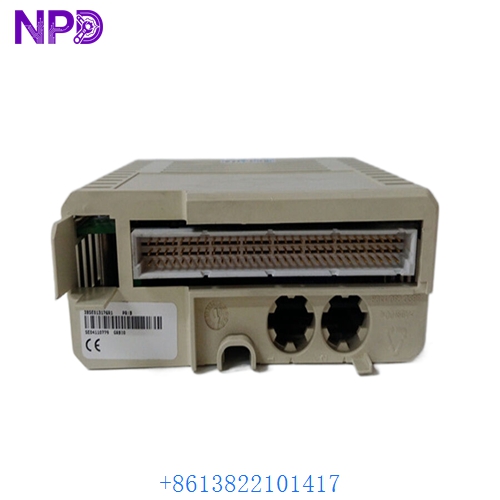
ABB LDGRB-01 3BSE013177R1
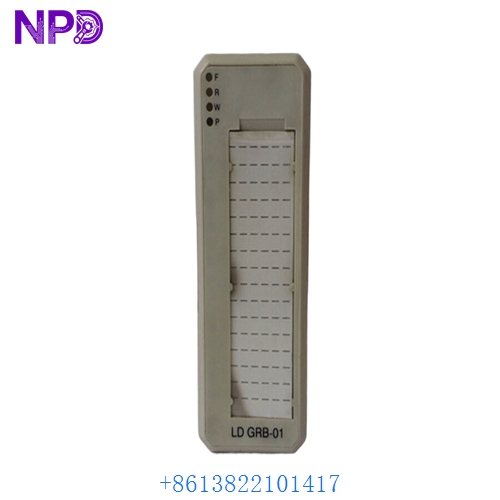
ABB LDGRB-01 3BSE013177R1
Installation & Configuration Guide
Phase 1: Preparation (20 minutes)
⚠️ Safety Warning: The LDGRB-01 resides within high-power drive cabinets. Ensure the main breaker is locked out and the DC bus capacitors have fully discharged (wait at least 5–10 minutes after power-down) before opening the unit. Use a voltmeter to verify zero energy.
Required Items:
- Grounded anti-static wrist strap (Mandatory for CMOS protection).
- Fiber optic cleaning kit (if using optical links).
- DriveWindow or relevant ABB engineering software.
Phase 2: Hardware Swapping (15 minutes)
Steps:
- Backup Parameters: If the old board is still communicative, upload the parameter set to your PC.
- Removal: Carefully disconnect all ribbon cables and fiber optic strands. Note their orientation—labeling is highly recommended. Loosen the mounting standoffs and remove the ABB LDGRB-01 3BSE013177R1.
- Jumper Audit: Compare the jumper settings (S1, S2, etc.) and DIP switch positions on the new board with the old unit. These often define the drive address and encoder type.
- Seating: Align the new board and secure the standoffs. Reconnect all cables, ensuring fiber optic connectors “click” into place.
Phase 3: Commissioning (30 minutes)
The Activation Process:
- Initial Power-Up: Monitor the LEDs. If the “Fault” light stays red, check the ribbon cable seating immediately.
- Firmware Loading: New surplus boards may ship with factory default firmware. You may need to download the specific drive application firmware (e.g., for a crane, paper machine, or mill) using the serial service port.
- Parameter Restore: Download your saved parameter file. Perform a “Compare” to ensure all motor data and limit settings are correct.
- Trial Run: Perform a “Jog” test at low speed to verify encoder feedback polarity and motor rotation before returning to full production.
Customer Cases & Industry Applications
Case 1: Steel Rolling Mill Drive Recovery
Situation: A primary rolling mill drive (DCV 700) failed due to a logic error on the LDGRB-01. The mill was losing $15,000 per hour in idle labor and unfulfilled contracts. Task: Restore the drive logic without replacing the entire power section. Action: We dispatched a New Surplus 3BSE013177R1 unit from our Shenzhen stock via overnight air. Result: The board was installed and commissioned in under 4 hours. The mill returned to full capacity by the next morning shift.
Case 2: Marine Propulsion System Maintenance
Situation: A large cargo vessel utilized ABB drives for bow thruster control. The existing ABB LDGRB-01 board showed signs of thermal stress and intermittent communication dropouts. Task: Perform preventive replacement during a 48-hour port stay. Action: The ship’s management purchased a New Surplus unit to ensure the highest reliability for sea trials. Result: The new board stabilized the thruster control, passing all Lloyd’s Register inspections. The “New Surplus” status provided the captain with the same confidence as a factory-new part at a significantly lower cost.
Frequently Asked Questions (FAQ)
Q: Is the LDGRB-01 interchangeable with other LDGR versions? A: Not necessarily. The 3BSE013177R1 is a specific revision. While it may look physically identical to an older revision, the memory capacity or processor speed may differ. Always match the material number (3BSE…) to ensure your firmware is compatible.
Q: Why choose “New Surplus” for a drive control board? A: Drives are high-heat environments. A “Used” board has already been through thousands of thermal cycles, which stresses solder joints and electrolytic capacitors. A New Surplus LDGRB-01 has zero operating hours, providing the longest possible MTBF (Mean Time Between Failures).
Q: Does the board come with the software? A: No. The board is the hardware platform. You must use your existing ABB DriveWindow or similar engineering tool to load your specific application parameters.
Q: What should I check if the “NET” LED is red? A: This usually indicates a communication fault on the AF 100 or fieldbus link. Double-check your address DIP switches on the LDGRB-01 and ensure the bus terminator is properly seated at the end of the line.
Q: Can I repair my old board? A: Component-level repair on these multi-layer boards is difficult and carries a high risk of “latent failure.” For critical industrial applications, replacing with an original New Surplus unit is the standard protocol to ensure plant safety.