Description
The ABB MB510 3BSE002540R1 is a foundational communication interface module designed for legacy Advant OCS and MasterPiece distributed control architectures. This module acts as the physical network controller for the MasterBus 300 (MB 300) fieldbus, facilitating high-speed, deterministic data exchange between process controllers, operator stations, and auxiliary instrumentation. By providing robust galvanic isolation and reliable high-speed data frame processing, the MB510 ensures that critical control signals remain synchronized across expansive, multi-zone industrial automation networks.
Product Datasheet & Specifications
- Manufacturer: ABB
- Part Number: 3BSE002540R1
- Model Designation: MB510
- Product Type: MasterBus 300 (MB 300) Network Interface Module
- Power Supply: Integrated system bus power (typically 24 V DC)
- Network Topology: Bus-based MasterBus 300 architecture
- Transmission Speed: High-speed deterministic data throughput (up to 10 Mbps)
- Isolation: Heavy-duty galvanic isolation for signal noise suppression
- Approximate Dimensions: 18.5 cm x 4.2 cm x 12.7 cm
- Approximate Weight: 520 grams (0.52 kg)
- Country of Origin: Sweden / Germany
- Certification Standards: CE, UL Listed, CSA
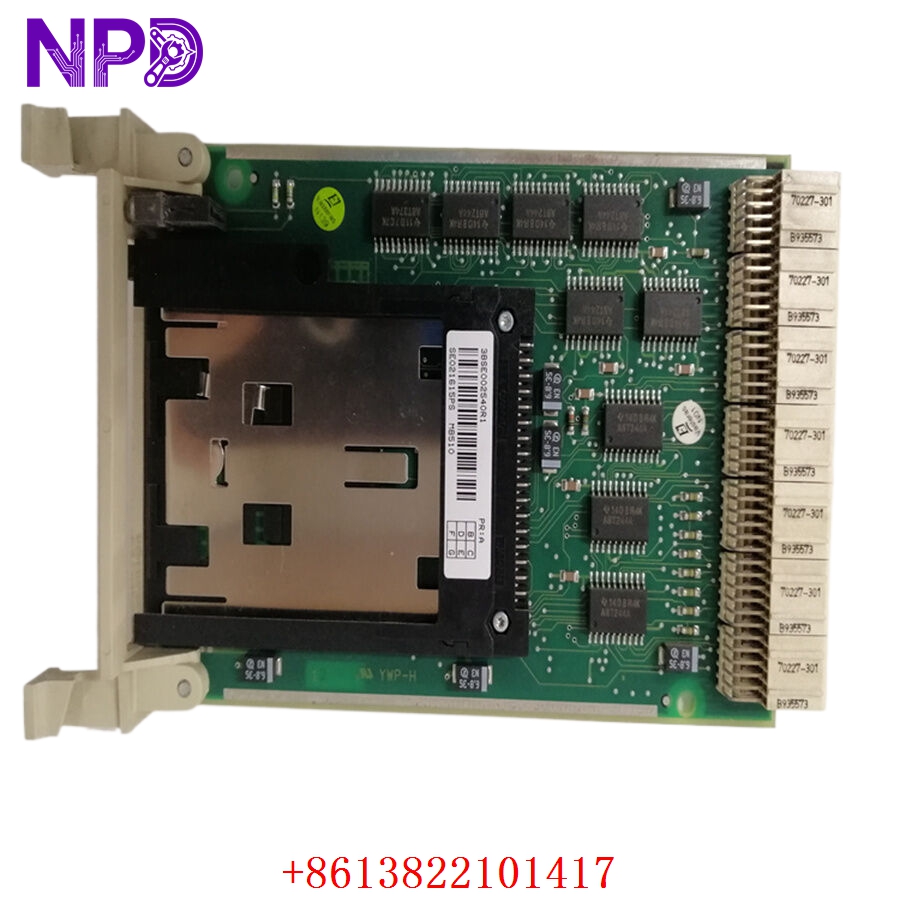
ABB MB510 3BSE002540R1
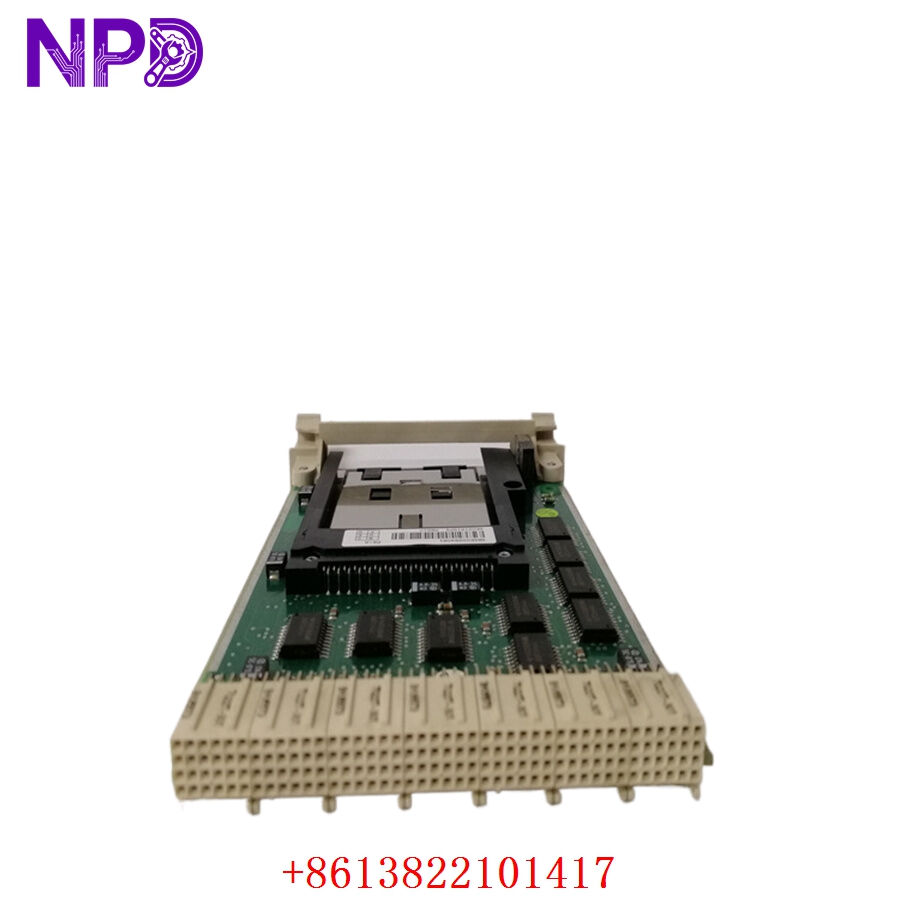
ABB MB510 3BSE002540R1
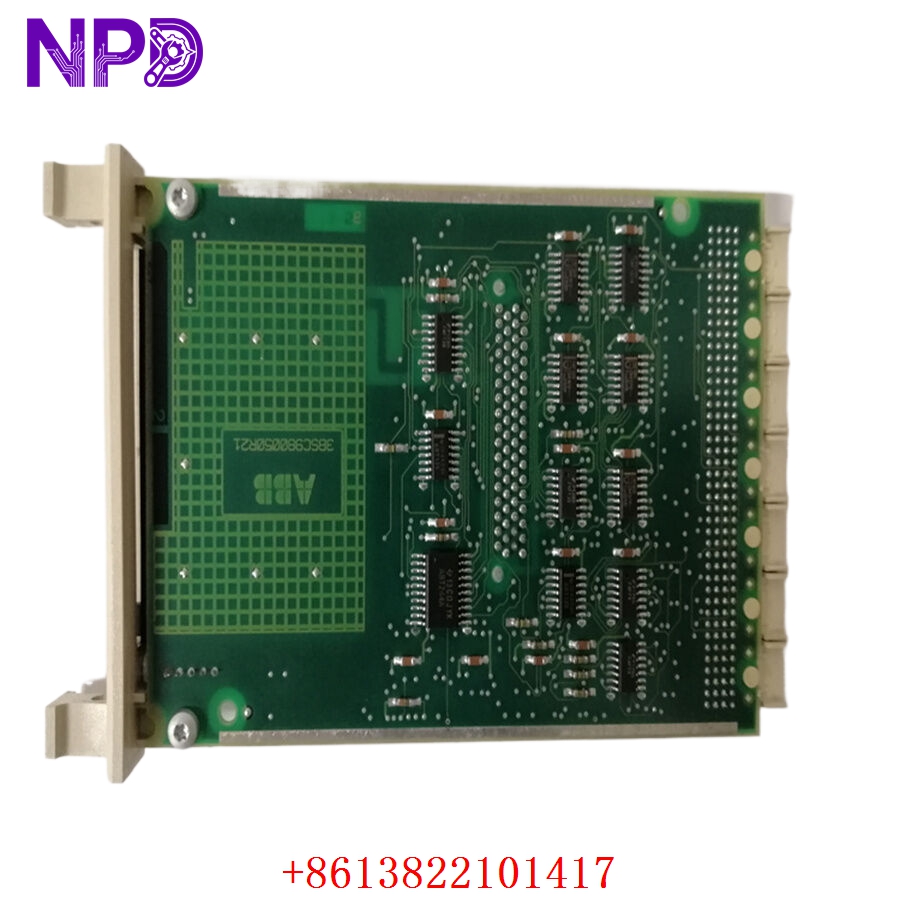
ABB MB510 3BSE002540R1
Key Application Fields
- Power Generation Facilities: Coordinates real-time data flows between boiler management systems and turbine control logic.
- Legacy Plant Modernization: Serves as a primary communication node in Advant OCS systems, maintaining data integrity during phased upgrades.
- Large-Scale Petrochemical Processing: Oversees long-distance communication loops between localized remote I/O and central plant control rooms.
- Metallurgical & Rolling Mills: Handles high-speed synchronization signals required for complex, multi-stage motor drive coordination.
- Municipal Water Infrastructure: Manages communication across geographically distributed pumping and filtration sub-stations.
Product Instructions & Guidelines
- Electrostatic Protection: Always use a properly grounded anti-static wrist strap during module handling to protect the sensitive internal control circuitry from electrostatic discharge (ESD).
- Rack Integration: Ensure the designated controller sub-rack is completely de-energized. Carefully align the MB510 module with the guide rails and slide it into the slot until the backplane connector is firmly seated.
- Cabling and Termination: Connect the MasterBus 300 coaxial or twisted-pair cabling to the rear termination block. Ensure all cable shields are properly bonded to the designated common chassis ground point to prevent electromagnetic interference (EMI).
- Node Addressing: Use the integrated DIP switches or the system engineering software to assign a unique network node ID. Incorrect addressing can result in bus contention and severe data communication timeouts.
- Routine Maintenance: Regularly monitor the status indicators (“Run” and “Traffic”). Clean accumulated dust from the front-panel ventilation louvers using a non-conductive, low-pressure air source to prevent heat buildup.
Q&A – Frequently Asked Questions
- Q: What is the primary function of the MB510 module in an Advant system?
- A: It acts as the physical hardware interface that allows MasterPiece controllers and other Advant OCS nodes to “talk” to each other over the MasterBus 300 network, ensuring deterministic process data exchange.
- Q: Can I replace an MB510 module while the network is actively running?
- A: In most Advant OCS rack configurations, the MB510 is considered hot-swappable. However, you should consult your site-specific safety and maintenance manual before removal to ensure you do not inadvertently trip any critical control loops.
- Q: What does a steady “Traffic” LED indicate compared to a flashing one?
- A: A steady light suggests that the node is successfully connected but not actively transmitting data frames. A flashing or pulsing light confirms that the module is successfully sending and receiving data across the network bus.
- Q: How do I resolve a persistent network timeout error on this node?
- A: First, inspect the physical bus cabling for loose connections or sheath damage. Second, verify that the module’s node address has not been duplicated elsewhere on the network, which is a common cause of bus contention.
Recommended Hot Stock Models
- ABB CI541V1 3BSE014666R1
- ABB CI855 3BSE018105R1
- ABB CI854A 3BSE018100R1
- ABB PM864AK01
- ABB PM866K01
- ABB DI810 3BSE008508R1
- ABB DO810 3BSE008510R1
- ABB AI810 3BSE008516R1
- ABB AO810V2 3BSE008522R1
- ABB 3BHE017628R0102 PPD115A102