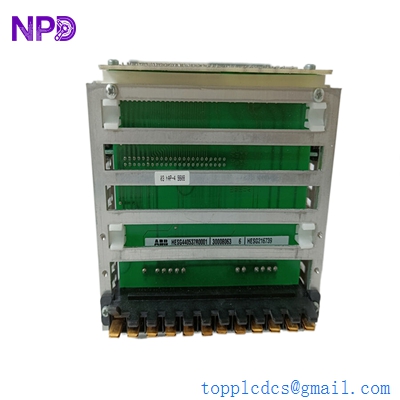

Description
- Model: ABB MC91 (HESG440588R4 / HESG112714B)
- Brand: ABB (Switzerland/Sweden)
- Series: Advant OCS / UNITROL Excitation Series
- Core Function: High-speed processing and control for power electronics
- Product Type: Controller Processor Module
- Key Specs: 32-bit RISC architecture, specialized for fast loop control
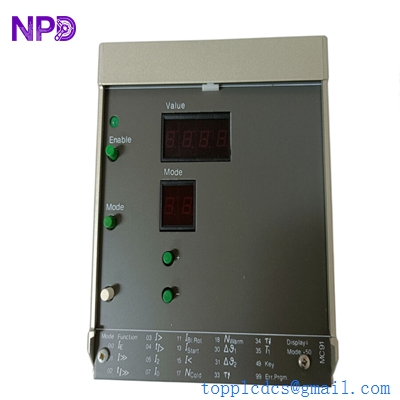
ABB MC91 HESG440588R4 HESG112714B
Key Technical Specifications
- Processing Unit: 32-bit High-performance Processor
- Hardware ID: HESG440588R4 (Main Board) / HESG112714B (Component sub-assembly)
- Operating Voltage: +5 V, +15 V DC (Internal Bus Powered)
- Communication Interface: AF100 (Advant Fieldbus) / Serial Diagnostic Port
- Scan Time: Capable of <5ms processing loops for excitation control
- Mounting: Eurocard format for standard ABB sub-racks
- Diagnostics: Front-panel LED matrix for error codes and CPU status
- Programming: Compatible with ABB Control Builder / AMPL
- Environmental: Conformal coating for industrial high-voltage environments
Application Scenarios & Pain Points
The MC91 board is a specialized workhorse often found in the “guts” of ABB’s high-power excitation systems (like UNITROL) or older Advant OCS installations. In these environments, the MC91 handles the complex math required to regulate a generator’s magnetic field in real-time. If this board drifts or fails, your generator loses stability, which can trigger a “Generator Trip”—the kind of event that makes everyone in the control room hold their breath.
1. Large-Scale Generator Excitation (UNITROL)
Managing the voltage regulation of massive hydro or thermal generators where sub-millisecond response times are required to prevent grid instability.
2. Advant OCS Process Control
Used as a high-speed logic solver in industrial processes that are too fast for standard PLC modules, such as rolling mills or paper machine drives.
3. Power Electronics Interface
Acting as the bridge between high-level plant commands and the low-level gate firing pulses for SCR (Silicon Controlled Rectifier) bridges.
Case Study: The “Ghost Trip” in the Hydropower Plant
Background: A hydroelectric station in the Pacific Northwest was experiencing intermittent “Excitation System Faults.” The system would run perfectly for weeks, then suddenly trip the generator offline without a clear external cause.
The Problem: After using a Fluke 190 Series Scope to monitor the internal 5 V logic rail, the site engineers noticed micro-fluctuations during high-heat periods. The MC91 board (an older HESG440588R1 revision) was suffering from “thermal fatigue” in its voltage regulation circuit. The OEM lead time for a replacement was 10 weeks.
The Solution: We supplied a newer revision HESG440588R4 board from our stock. Before shipping, we performed a 24-hour heat-soak test in our ABB testing rack to ensure the logic rails remained rock-steady at 60 °C.
The Result: The board was swapped during a short 4-hour maintenance window. The generator has now been running for 14 months without a single “Ghost Trip.”
- Avoided Loss: Each trip cost the plant approximately $45,000 in lost revenue and grid stabilization fees.
- Takeaway: Thermal aging is the #1 killer of the MC91 series. If your cabinet is running hot, your MC91 is on a countdown.
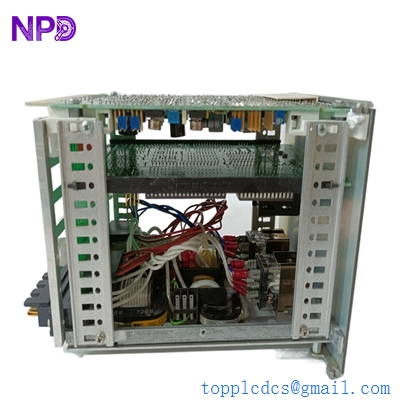
ABB MC91 HESG440588R4 HESG112714B
Compatible Replacement Models
| Original Model | Replacement Model | Compatibility | Key Differences | Workload |
| HESG440588R1 | HESG440588R4 | ✅ Direct | R4 has improved component density | Plug & Play |
| HESG440255R1 | HESG440588R4 | ⚠️ Software | Older architecture; check PROM version | May need PROM swap |
| AC800M series | HESG440588R4 | ❌ Incompatible | Next-gen system; different bus | Full system migration |
Engineer’s Advice: Pay close attention to the HESG numbers. The HESG112714B often refers to the daughterboard or a specific sub-assembly. When you order, always match the R-number (Revision). While R4 is usually backward compatible with R1, going the other way (putting an R1 into a system designed for R4) can lead to firmware handshake errors.
Troubleshooting Quick Reference
| Symptom | Possible Cause | MC91 Related? | Quick Check | Action |
| “RUN” LED Off | CPU Stalled | ✅ High | Check 5V DC at the backplane | If power is OK, replace board |
| “ERR” LED Flashing | Configuration Mismatch | ✅ High | Check DIP switch settings | Match switches to the old board |
| AF100 Comm Loss | Modem / Bus Issue | ⚠️ Medium | Inspect the AF100 cable/terminator | Check CI522 or similar modem |
| Intermittent Reset | Thermal Overload | ✅ High | Check cabinet fan/filter status | Improve cooling or replace board |
Expert Integration Notes:
- PROM Swapping: ❗ Crucial! If your old MC91 has custom application PROMs (the chips with stickers on them), you will likely need to move those to the new board. Use a vacuum-sealed chip puller to avoid bending pins. I’ve seen many “failed” boards that were actually just missing their original site-specific firmware.
- DIP Switch Documentation: There are usually 8 to 16 DIP switches on these boards for station ID and baud rate. Take a high-res photo before pulling the old board. 90% of “dead on arrival” boards are actually just addressed incorrectly.
- The Static Trap: These boards are highly sensitive to ESD (Electrostatic Discharge). Always handle them by the front-panel metal or the edges of the PCB. Never touch the gold backplane pins with your bare fingers.