Description
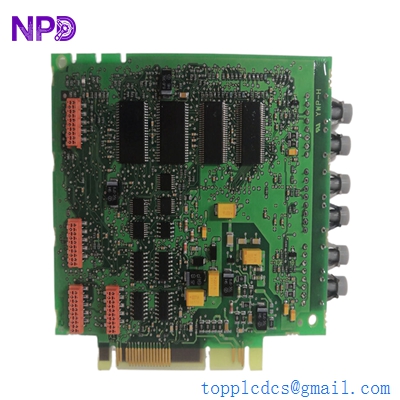
- Model: HIEE220295R0001 (NU8976A)
- Brand: ABB (Switzerland)
- Series: UNITROL / High Power Rectifier Series
- Core Function: Processing and control board for excitation and power conversion systems.
- Product Type: Printed Circuit Board (PCB) Assembly
- Key Specs: Multi-channel I/O, Fiber optic interface, 24 V DC Logic
- Logic Supply Voltage: 24 V DC (nominal)
- Power Consumption: Approx. 15 W (load dependent)
- Communication: Proprietary high-speed bus + Fiber optic links
- Mounting Type: Subrack / Eurocard format
- Operating Temperature: 0 to +55 °C
- Storage Temperature: -25 to +70 °C
- Humidity: 5% to 95% non-condensing
- I/O Isolation: Galvanic isolation for gate pulse outputs
- Firmware Support: Compatible with UNITROL 5000/6000 control software
- Diagnostic Indicators: On-board LED status for Power, Run, and Error
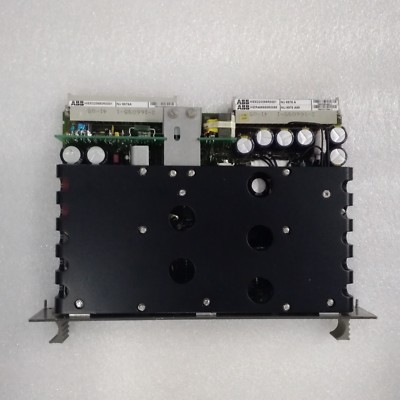
NU8976A HIEE220295R0001
Application Scenarios & Engineering Insights
In large-scale power generation or heavy industrial rectifiers, the excitation system is the heart of the machine. When a control board like the NU8976A drifts or fails, you aren’t just losing a component; you’re risking a massive trip. In my experience, these boards usually go quiet due to capacitor aging or localized heat stress in the cabinet. Finding a factory-new replacement for legacy UNITROL systems through official channels can take months, which is a luxury most plant managers don’t have when the turbine is offline.
Typical Application Scenarios:
- Power Generation – Excitation Systems Used in UNITROL control lineups to manage the field current of synchronous generators. Vital for voltage regulation and reactive power stability.
- Metal & Mining – High Power Rectifiers Found in aluminum smelting or electrolysis plants where precise current control is mandatory for the production process.
- Marine Propulsion Integrated into large vessel drive systems to manage motor excitation, requiring high resistance to vibration and humidity.
A Case from the Field: The Mid-Summer Trip
Back in 2024, a hydroelectric plant in Southeast Asia experienced intermittent “Field Loss” alarms. The culprit was a failing HIEE220295R0001 board that was overheating during peak afternoon loads. The OEM quoted a 14-week lead time because the specific revision was “build-to-order.”
The plant was facing a massive fine for failing to meet grid commitments. We stepped in with a tested, new-surplus NU8976A from our climate-controlled inventory. We flew the part out the same day. By the time the OEM’s sales rep had followed up on the initial inquiry, the plant was already back at 100% capacity. This is why having a hardware partner who understands the urgency of a “Generator Down” scenario is a game-changer.
Technical Avoidance & Integration Guide
If you’re swapping an NU8976A, don’t just “plug and pray.” There are a few nuances that can trip up even a seasoned integrator.
- Fiber Optic Integrity ❗ This board often uses fiber optics for gate pulse triggering to avoid EMI (Electromagnetic Interference).
- The Trap: Reusing old fiber cables that have micro-cracks or dust on the tips.
- The Fix: Always clean the connectors with isopropyl alcohol and a lint-free wipe. If the “Signal Low” LED stays on, check your bend radius—keep it above 30 mm.
- Revision Matching ABB often updates these boards (e.g., from Rev A to Rev C).
- The Risk: Minor timing differences in the FPGA logic.
- The Fix: Check the white sticker on the side of the PCB. If your old board is Rev B and the new one is Rev D, verify with the system manual if a firmware parameters update is required in the controller.
- The “Invisible” Jumper Settings
- The Problem: Many technicians forget that address or mode jumpers are often tucked under the daughterboard or near the backplane connector.
- The Pro Tip: Take high-res photos of the old board’s jumpers before you pull it. Copy them exactly to the new unit. I’ve seen guys spend two days chasing “Communication Faults” only to find a single jumper was in the ‘Test’ position instead of ‘Normal’.
Quality Assurance & Testing Protocol (SOP)
We treat industrial electronics like the critical infrastructure they are. Every HIEE220295R0001 goes through a rigorous 5-step validation process before it hits the shipping crate.
- Incoming Inspection & Traceability: We verify the serial numbers against ABB’s global database to ensure authenticity. We check for any signs of “Shelf Wear” or electrolyte leakage from electrolytic capacitors.
- Live Test Environment: The board is installed in our dedicated ABB UNITROL test rack.
- Power-up: We monitor the 5 V and 15 V rails using a Fluke 115 Multimeter to ensure voltage stability.
- Comm Handshake: We establish a link with the controller to verify the board is “Seen” by the system.
- 24-Hour Burn-in: The board runs under simulated load in a heat-soak cabinet to catch any infant mortality failures.
- Electrical Integrity: We perform a 500 V insulation test on non-logic paths to ensure no traces were damaged during storage.
- Firmware Documentation: We record the current firmware revision and take photos of all DIP switches and jumpers for your records.
- Final QC & Packaging: The board is vacuum-sealed in an ESD (Electrostatic Discharge) bag and packed in a double-walled box with custom foam inserts. A “QC Passed” sticker with the date and technician’s initials is applied.
Troubleshooting Quick Reference
| Symptom | Likely Cause | Spare Related? | Action Step |
| No “Power” LED | 24V DC Supply missing | ❌ Low | Measure X1-1 and X1-2 terminals. Check cabinet fuse. |
| “Fault” LED steady red | Internal Logic Error | ✅ High | Attempt a hard reset. If it persists, the FPGA or RAM is likely dead. Replace. |
| Intermittent Comm Loss | Fiber Optic Signal Loss | ⚠️ Medium | Inspect fiber tips for dust. Replace cables if signal is below -20dBm. |
| Erratic Pulse Output | Gate Drive Circuitry | ✅ High | Check for “Leaky” caps on the board. Usually requires board replacement. |
In-Stock Inventory for Immediate Dispatch:
- ABB PM866K01 3BSE050198R1
- ABB CI854A 3BSE030221R1
- ABB DI810 3BSE008508R1
- ABB DO810 3BSE008510R1
- ABB AI810 3BSE008516R1
- ABB AO810 3BSE008522R1
- ABB SD822 3BSE013230R1
- ABB TU810V1 3BSE013230R1