
Description
The following parameters outline the technical characteristics, physical dimensions, and operational classifications for this high-performance excitation control hardware assembly.
- 🏢 Brand: ABB
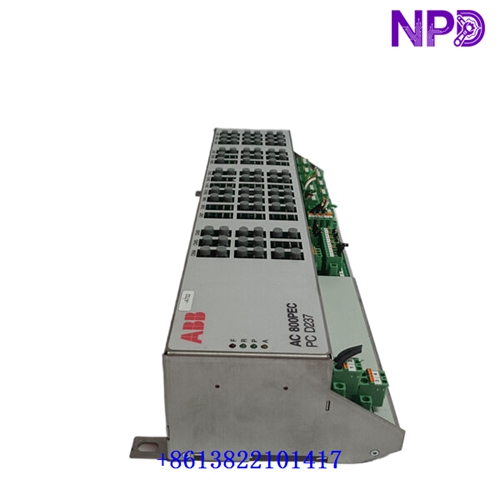
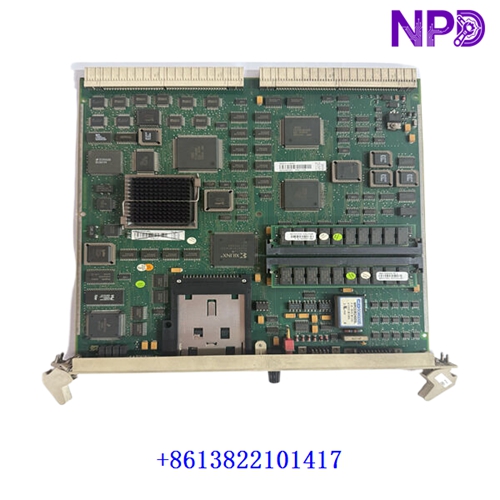
- 🏷️ Model: PCD230A101 / 3BHE022291R0101
- 📦 Series: UNITROL Excitation Control System Series
- ⚙️ Product Name: Unitrol Exciter Controller Module / Control Unit
- 🌍 Country of Origin: Switzerland / Sweden (Global ABB Manufacturing)
- 🔄 Operational Status: Active Production / Industrial Automation Grade
- 📏 Dimensions: Standard Modular Enclosure Form Factor for Controller Racks
- ⚖️ Weight: Optimized Industrial Electronic Module Class
- 🏭 Original Origin: ABB Power Generation & Excitation Systems Division
- ⚡ Power Rating: Low-Voltage Control Power with High-Reliability Processor Architecture
Initial Operation Inspection Checklist
Perform the following verification steps prior to initial module installation and system power-up:
- ✅ Mechanical Integrity: Inspect the module housing, backplane interface pins, and locking latches for transit damage or secure seating.
- ✅ Electrical Clearance: Verify that all internal signal and power connections comply with standard industrial control insulation guidelines.
- ✅ Cabling Check: Verify that optical fiber links, communication cables, and terminal block assignments match engineering schematics.
- ✅ Environmental Checks: Confirm that the surrounding cabinet operating temperature, relative humidity, and ventilation filtration units are within optimal parameters.
Routine Maintenance & Servicing
Adherence to scheduled maintenance protocols ensures extended operational longevity and reliable generator excitation control:
- ⏱️ Quarterly Dust Removal: Utilize clean, dry, oil-free compressed air to clear accumulated dust from ventilation openings and optical transceivers.
- ⏱️ Terminal Security: Periodically check plug-in connector pins and terminal block fastenings to prevent loosening caused by industrial vibration.
- ⏱️ Diagnostic Status Review: Regularly monitor system error rates, excitation parameters, and diagnostic logs via the engineering workstation to ensure optimal module health.
Troubleshooting & Common Faults
Systematic diagnostic procedures for addressing typical operational anomalies and hardware faults:
- 🔍 Communication Timeouts: Inspect fiber optic patch cables, transceivers, and network switches for physical damage or dust accumulation if controller link connectivity drops.
- 🔍 Module Fault Indicators: Monitor front-panel diagnostic LED indicators immediately upon fault triggers to isolate processor or control bus errors.
- 🔍 Power Supply Fluctuations: Measure internal control voltage rails to ensure stable DC input feeds without excessive ripple or voltage drop.
Safety Precautions
Crucial safety rules to protect personnel and prevent catastrophic equipment damage:
- ⚠️ Qualified Technicians Only: Installation, wiring, and maintenance must be performed exclusively by certified electrical and automation engineers trained in ABB UNITROL excitation systems.
- ⚠️ Power Isolation: Always de-energize the excitation system and verify zero energy state before inserting or removing the controller module from its baseplate.
- ⚠️ Electrostatic Discharge (ESD) Protection: Handle electronic modules using proper electrostatic discharge wrist straps and store them in anti-static packaging.
Frequently Asked Questions (Q&A)
- ❓ Q1: What application systems utilize the PCD230A101 controller module?
A1: This module is utilized primarily within ABB UNITROL excitation systems designed for synchronous generators and large-scale power generation plants.
- ❓ Q2: Can this controller module be hot-swapped during live generator operation?
A2: No. Due to critical excitation control loops and system safety requirements, complete system shutdown and power isolation are mandatory prior to module replacement.
- ❓ Q3: How should a spare PCD230A101 module be stored?
A3: It should be stored in its original anti-static packaging within a clean, dry, climate-controlled environment free from moisture, extreme temperatures, and corrosive gases.