
Description
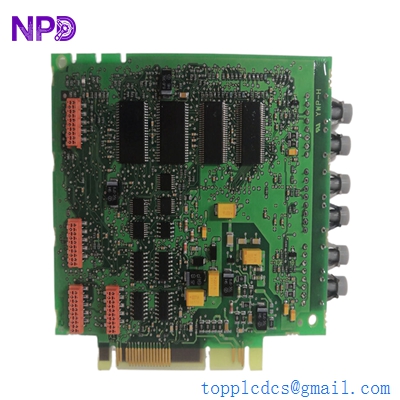
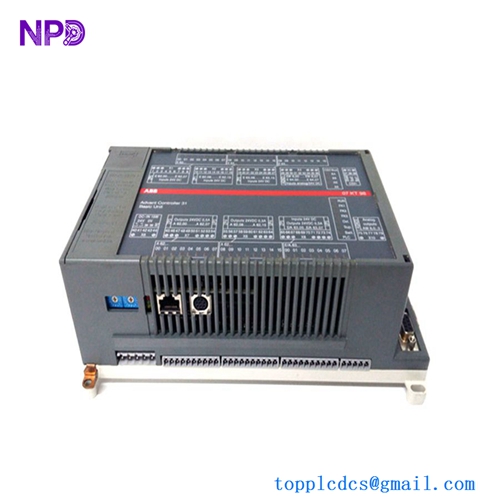
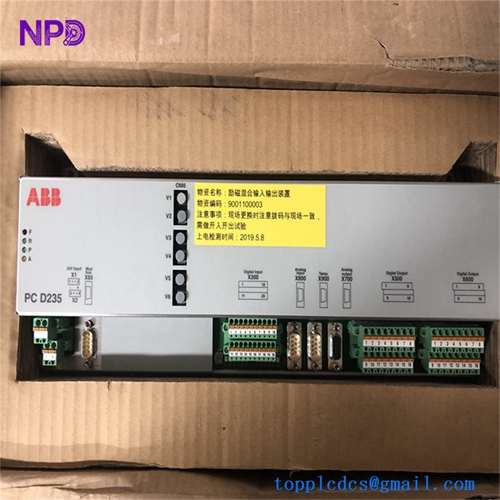
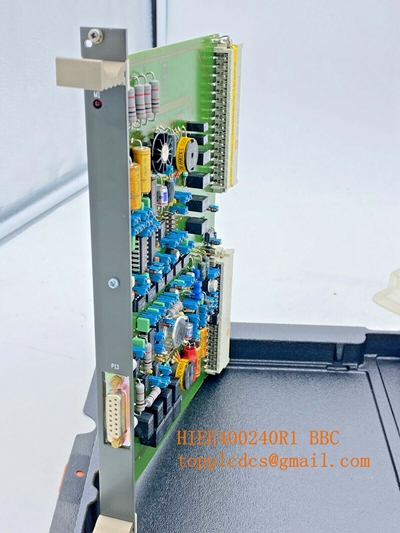
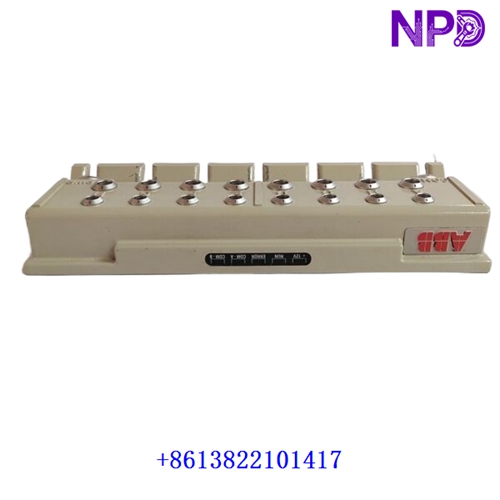
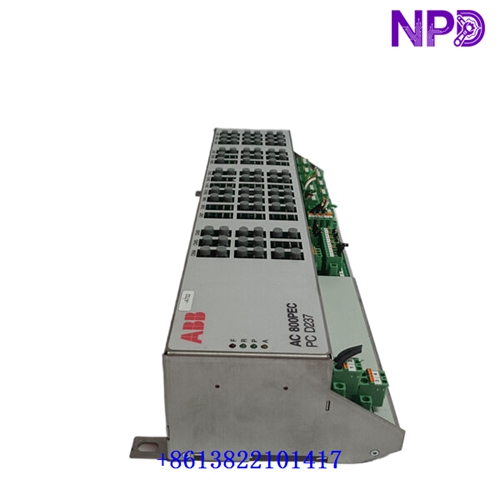
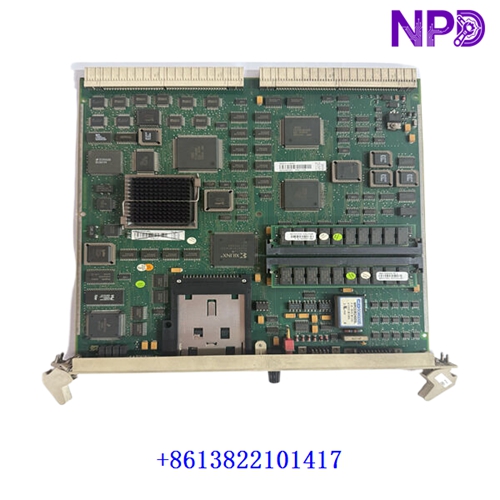
The ABB PCD235A101 (Part Number: 3BHE032025R0101) is a high-performance microprocessor-based control and regulation module designed for ABB’s UNITROL excitation control systems (such as the UNITROL 6000 series). Acting as a central processing and regulation hub, this module manages synchronous generator field current, regulates terminal voltage, and maintains stability across power generation and heavy industrial networks. (Note: The “A101” designation represents the specific hardware variant/revision within the PCD235 controller family).
Product Datasheet
| Parameter | Specification |
| Brand | ABB |
| Model / Type | PCD235A101 (PCD 235 A101) |
| Part Number / Catalog ID | 3BHE032025R0101 |
| Series | UNITROL Excitation Control System Family |
| Product Name | Exciter Control & Regulator Module |
| Place of Production | Switzerland / Sweden |
| Operational Status | Industrial Automation Standard / Spare Part |
| Application | Synchronous Generator Voltage & Excitation Regulation |
| Power Supply | Internal Rack Powered (Low-voltage DC rails via system bus) |
Initial Operation Checklist
✓ Ensure the control cubicle rack slot designated for the exciter regulator is clean, dry, and free of foreign debris prior to module insertion.
✓ Inspect all backplane connector pins, edge contacts, and optical communication links for signs of physical damage or oxidation.
✓ Confirm that system control power rails and auxiliary voltage supplies operate strictly within nominal thresholds before powering up the unit.
✓ Monitor front-panel diagnostic LEDs and display registers during startup to verify successful processor initialization and software self-tests.
✓ Verify that configuration parameters and control software match the specific generator excitation requirements before commissioning.
Routine Maintenance
⚙ Periodically inspect module fastening screws, locking levers, and mechanical retention clips to ensure resistance against plant vibrations.
⚙ Clean cabinet ventilation fans and air intake filters routinely to maintain optimal thermal operating conditions and prevent hot spots.
⚙ Review system diagnostic logs, event recorders, and alarm registers using the UNITROL commissioning and service toolset.
⚙ Verify grounding continuity and cable shield integrity on all control and measurement lines to protect against electromagnetic interference (EMI).
Troubleshooting & Common Issues
⚡ Processor Initialization Failure: Inspect rack power supply voltage rails, verify that the module is completely seated in the backplane, and check startup diagnostic error codes.
⚡ Excitation Regulation Drift / Instability: Check potential transformer (PT) and current transformer (CT) input wiring, verify feedback signal scaling, and inspect terminal connections.
⚡ Communication Timeouts with Control Terminal: Inspect network cables, check communication port configurations, and verify node addressing parameters.
Safety Precautions
⚠ Always completely de-energize, isolate, and lock out high-voltage excitation circuits and control power sources before servicing or replacing the module.
⚠ Observe strict electrostatic discharge (ESD) safety protocols—such as utilizing a grounded wrist strap—when handling internal electronic circuit cards.
⚠ Do not attempt component-level field repairs on the control board to preserve hardware safety certifications and system reliability.
⚠ Strictly comply with local electrical safety codes, power plant mandates, and manufacturer instructions during all installation procedures.
Frequently Asked Questions (Q&A)
Q: What is the primary function of the ABB PCD235A101 module?
A: It acts as a core regulator and control module within ABB UNITROL excitation systems, governing generator field current and regulating terminal voltage to maintain grid stability.
Q: What is the difference between PCD235A101 and PCD235B101?
A: Both share the core 3BHE032025R0101 part identifier platform, with the letter suffix variant (A vs. B) denoting specific hardware revision levels, firmware profiles, or factory configuration builds tailored to particular generator excitation setups.
Q: Can this module be hot-swapped during generator operation?
A: No, due to the critical nature of generator excitation control, standard safety protocols require shutting down or transferring the excitation channel before replacing core controller hardware.