Description
- Model: ABB PDD500A101 (Material No: 3BHE037649R0101)
- Brand: ABB (Switzerland)
- Series: ACS6000 / SES800 / PEC800 Control Systems
- Core Function: Internal Power Distribution and Monitoring for High-Power Converters
- Type: Power Distribution Board / Voltage Regulator Module
- Key Specs: Manages internal DC bus distribution, logic power stabilization, and fault monitoring
- Input Voltage: Typically 24 V DC nominal (Range 18–32 V DC)
- Output Rails: Distributed stabilized DC voltages for internal PEC (Power Electronics Controller) modules
- Monitoring: Integrated voltage sensing and status feedback to the master controller
- Protection: Over-current, short-circuit, and thermal monitoring at the board level
- Communication: Interface for system-level diagnostics via the control backplane
- Coating: Conformal coating for protection in harsh industrial/power environments
- Operating Temp: 0°C to +70°C (Extended industrial range)
- Form Factor: Dedicated plug-in module for high-power converter control racks
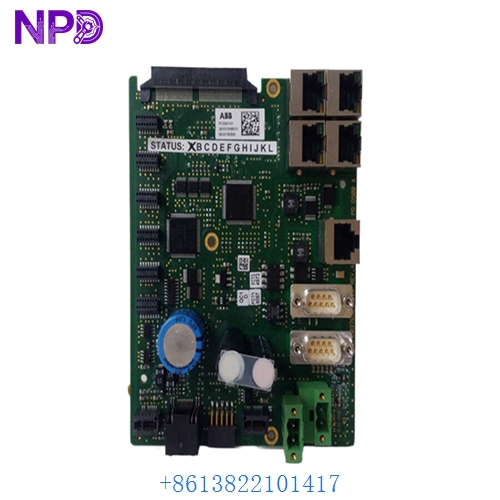
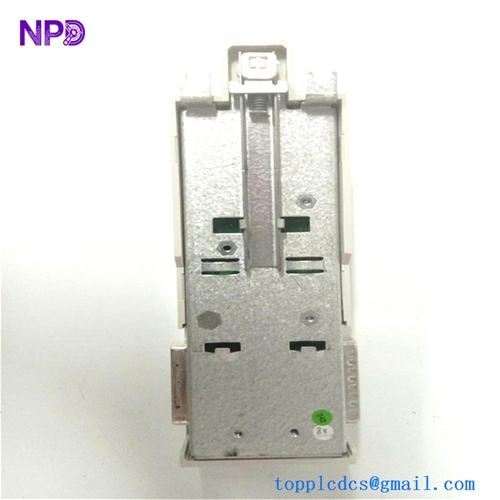
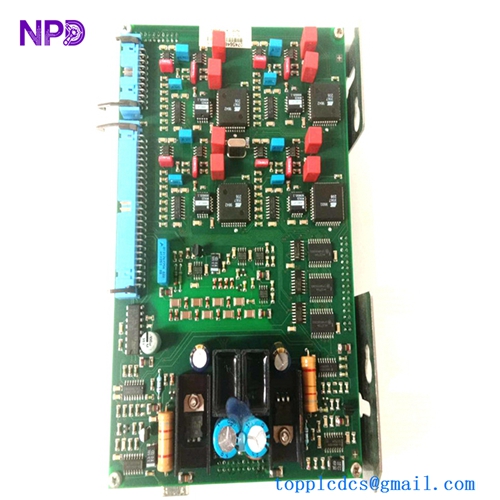
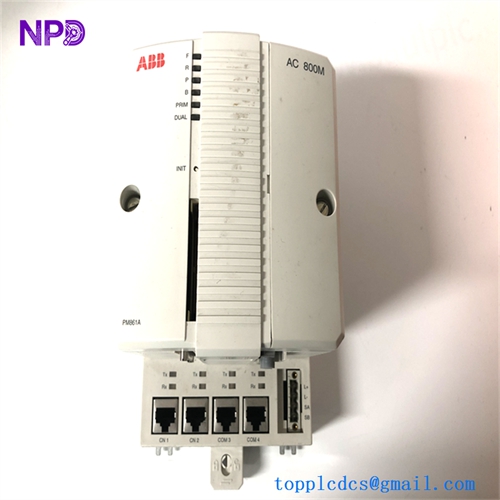
ABB PDD500A101 3BHE037649R0101
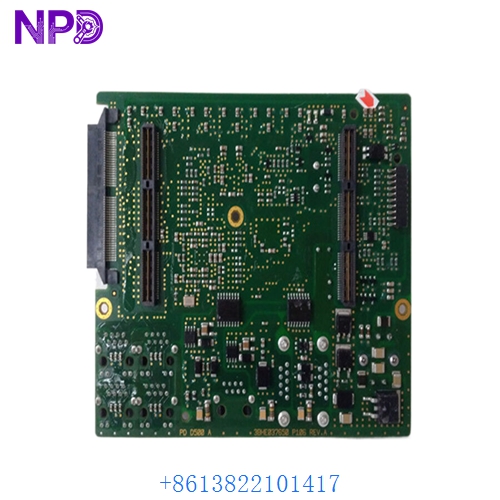
ABB PDD500A101 3BHE037649R0101
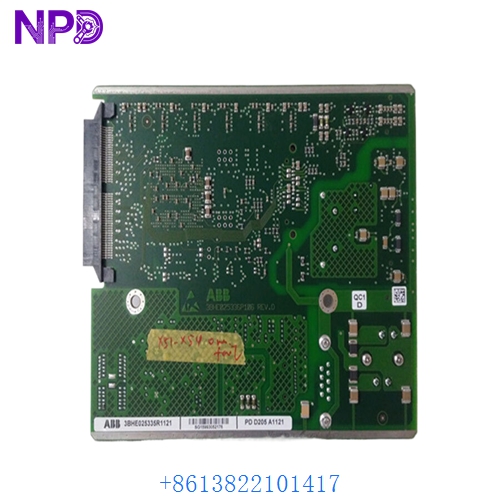
ABB PDD500A101 3BHE037649R0101
Installation & Configuration Guide
Phase 1: Preparation (20 minutes)
⚠️ Critical Safety Warning: The PDD500A101 is often part of a Medium Voltage (MV) drive system like the ACS6000. While this specific board handles low-voltage control power, it resides in a cabinet with lethal voltages. Ensure the drive is fully de-energized, grounded, and the DC link capacitors are discharged according to the 5-step safety rule before entry.
Required Items:
- Grounded anti-static wrist strap.
- Digital Multimeter (Fluke 87V or equivalent).
- Torque screwdriver (if the unit uses specific terminal mounting).
Phase 2: Hardware Swapping (15 minutes)
Steps:
- Verify Isolation: Confirm that the 24 V DC control power source is switched off.
- Removal: Disconnect the multi-pin headers and any discrete wiring. Be careful with the plastic locking tabs on the connectors. Remove the ABB PDD500A101 3BHE037649R0101 from its mounting frame.
- Visual Audit: Inspect the new module for any shipping damage. Check that all on-board fuses (if accessible) are intact.
- Seating: Slide the module into the rack and reconnect the headers. Ensure a “click” is heard for each connector to prevent intermittent power loss due to vibration.
Phase 3: Commissioning (20 minutes)
The Activation Process:
- Power-Up: Restore the 24 V DC control power.
- LED Status: Monitor the on-board “OK” or “Power” LEDs. If a “Fault” LED is present and lit, immediately check for downstream shorts in the control rack.
- Voltage Check: Use the test points on the front of the board (if available) to verify that the output rails are within the ± 2% tolerance.
- System Sync: Verify on the Drive/Excitation HMI that the “Power Supply Healthy” status is active and no “Control Power Under-voltage” alarms are present.
Customer Cases & Industry Applications
Case 1: Mining Conveyor Drive Restoration
Situation: A large copper mine in Chile used an ABB ACS6000 drive for their primary conveyor. A failure in the PDD500A101 caused the entire control rack to go dark, halting all production. Task: Restore the power distribution to the PEC800 controllers. Action: We supplied a New Surplus unit from our inventory via expedited air freight. Result: The drive was back in operation within 72 hours. The mine avoided an estimated $200,000 per day in lost production by using an immediately available surplus part instead of waiting for a factory lead time of 16 weeks.
Case 2: Marine Propulsion (LNG Carrier)
Situation: An LNG carrier’s electric propulsion system reported intermittent “Control Power Faults.” The diagnostic pointed to a degraded power distribution module. Task: Perform a preventive swap during a dry-dock period to ensure sea-readiness. Action: The ship’s management purchased a New Surplus 3BHE037649R0101 to ensure the longest possible service life. Result: The propulsion system passed all full-load sea trials. The chief engineer noted that the “New Surplus” status was critical for their risk-management protocols regarding “Mission Critical” hardware.
Frequently Asked Questions (FAQ)
Q: Is PDD500A101 compatible with all ACS6000 versions? A: While it is a standard module for many ACS6000 and SES800 systems, you must always verify the full material number (3BHE037649R0101). ABB often releases sub-versions (R0101 vs. R0102) that may have different current ratings or firmware-level compatibility.
Q: Why choose “New Surplus” over “Refurbished” for power modules? A: Power modules are “wear items” because of their electrolytic capacitors and thermal stresses. A “Used” or “Refurbished” module has already been through years of thermal cycling. A New Surplus PDD500A101 has zero run-time, providing the maximum MTBF (Mean Time Between Failures) for your high-value drive.
Q: Does it require software programming? A: No. The PDD500A101 is a hardware-based power distribution and monitoring module. It functions as soon as power is applied, though it does report its status to the master controller via the backplane.
Q: What should I check if the module shows an “Over-voltage” fault? A: Check your primary 24 V DC power supply. In my experience, if the main supply is set too high (e.g., > 28 V DC) to compensate for long cable runs, it can trigger the protection circuits on the PDD500A101.
Q: Is this part still in production by ABB? A: Parts for legacy ACS6000 and older SES800 systems are increasingly transitioned to “Limited” or “Obsolete” status. Sourcing New Surplus is often the only way to get a “factory-new” condition part without a total system upgrade.