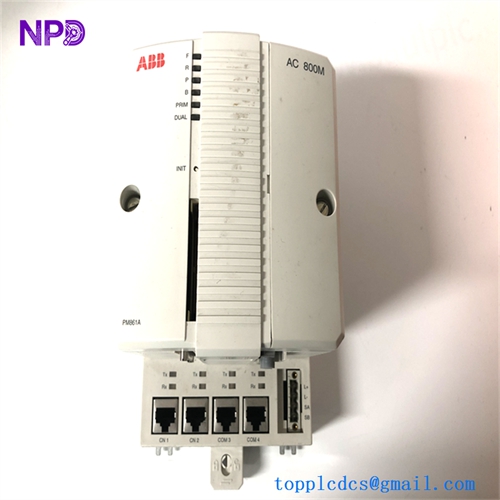
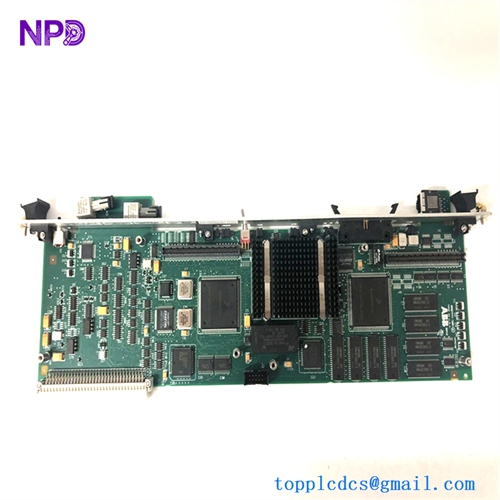
Description
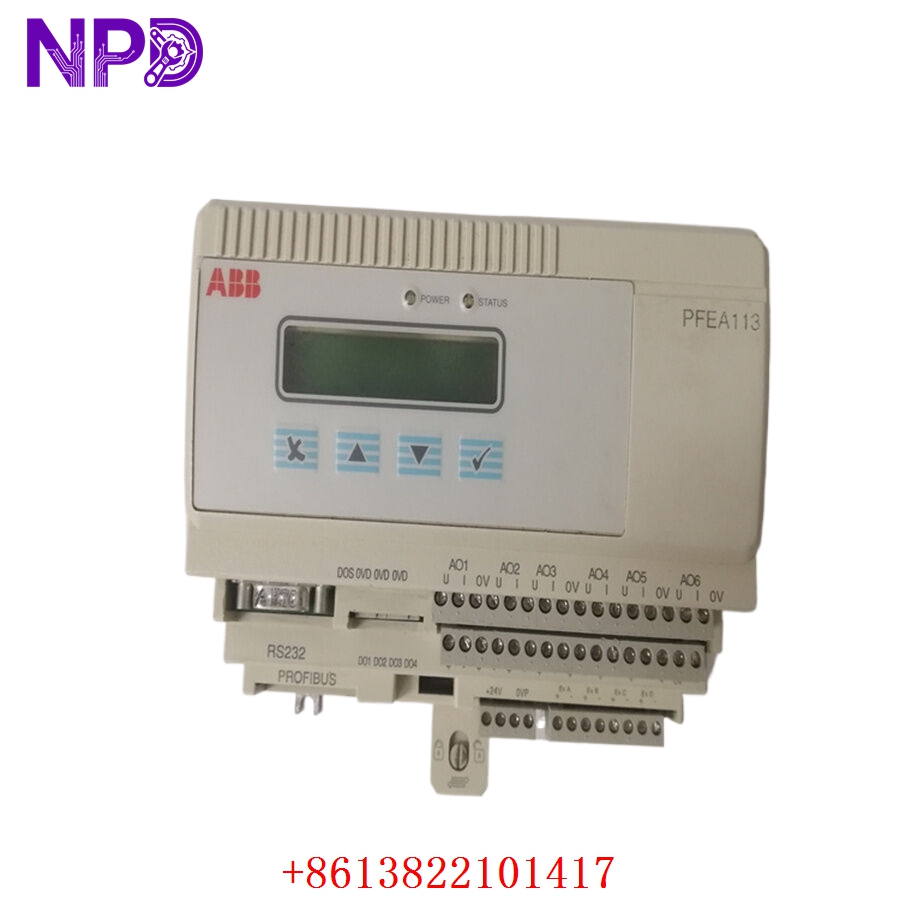
- Model: ABB 3BSE028144R1 (PFEA113-20)
- Brand: ABB (Switzerland)
- Series: PFEA110 Series Tension Electronics
- Core Function: Processes load cell signals for precise tension display and analog output
- Product Type: Signal Processing & Control Module (Web Tension Electronics)
- Key Specs: 2-channel input, Profibus DP support, 24 V DC power
- Input Voltage: 24 V DC (18–36 V DC)
- Input Channels: 2 channels (supports up to 2 tension sensors)
- Communication Protocol: Profibus DP (via optional module)
- Analog Output: 0/4–20 mA or 0–10 V (configurable)
- Response Time: < 10 ms
- Display Interface: Backlit LCD with multi-language menu
- Enclosure Rating: IP20
- Operating Temperature: 0°C to +55°C
- Mounting: DIN Rail
- Insulation Resistance: > 10 MΩ (tested with 500 V megohmmeter)
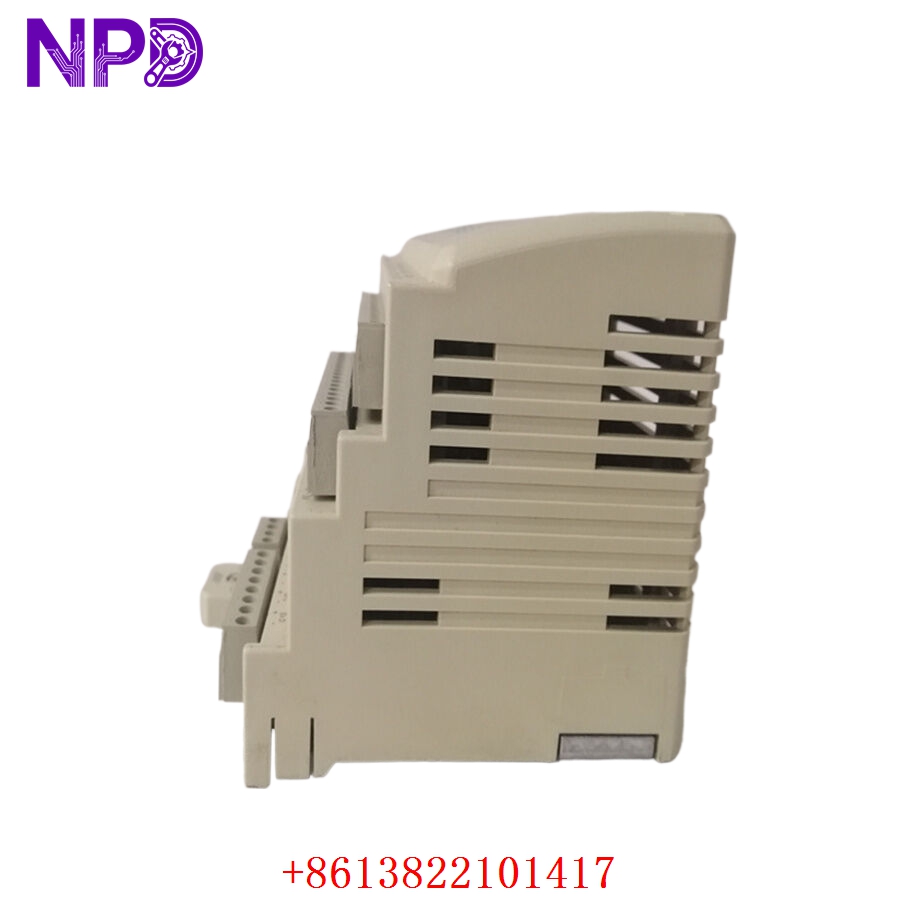
ABB PFEA113-20
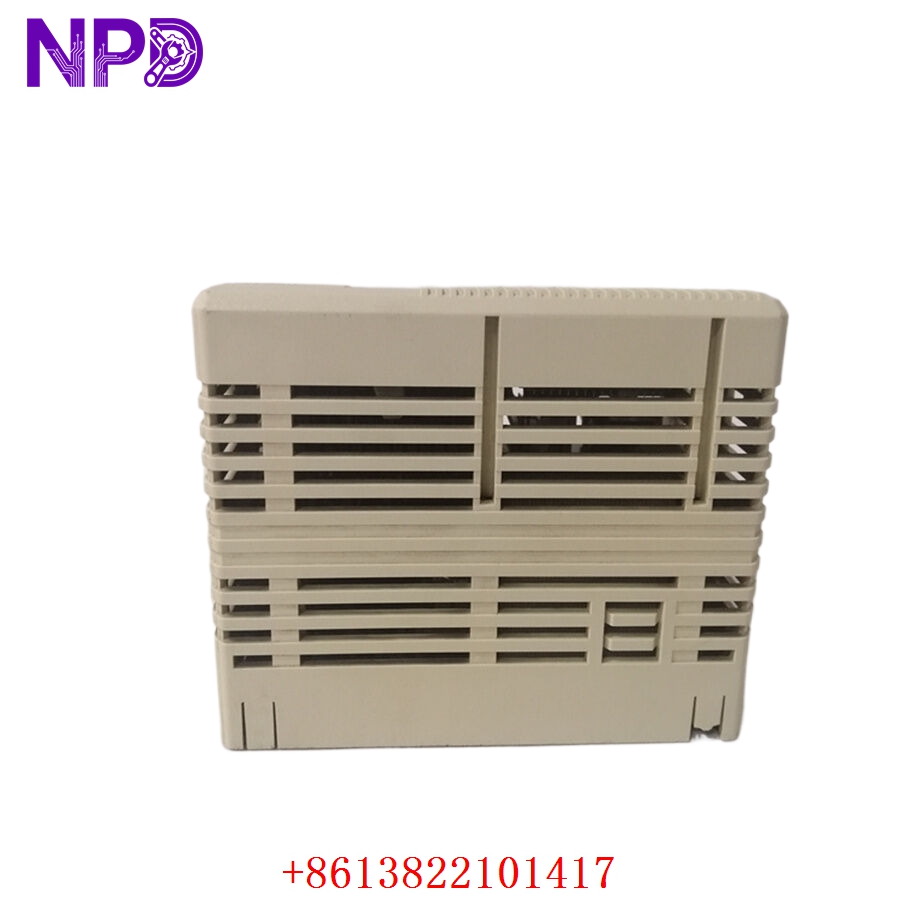
ABB PFEA113-20
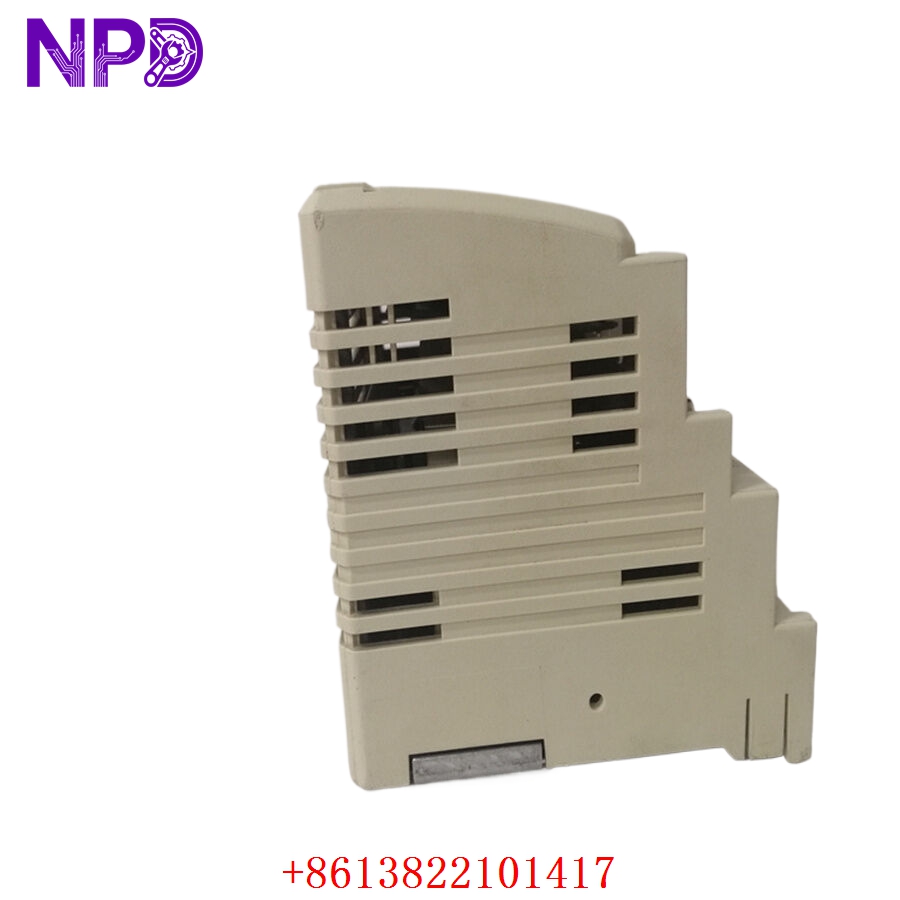
ABB PFEA113-20
Application Scenarios & Engineering Pain Points
In web processing industries like papermaking, film production, or metal foil rolling, tension control is the critical indicator for product quality. If the PFEA113-20 fails, it leads to tension drift or signal loss, forcing the production line to slow down or perform an emergency stop to prevent web breaks or material wrinkling. Given the high integration of these modules, on-site repair is rarely feasible; replacing the unit is the most efficient path to resuming production.
Typical Application Scenarios:
- Paper Industry – Winders and Slitters Maintains consistent paper strip tension during winding to prevent edge cracks and uneven rolls.
- Plastic Film Production – Stretching Lines Monitors forces during high-temperature stretching to ensure uniform film thickness.
- Printing Industry – Rotary Presses Ensures minimal tension fluctuations at high speeds to guarantee register accuracy.
Case Study: Emergency Repair at a Large Paper Mill In the summer of 2025, a high-speed slitter at a paper mill in East China experienced erratic tension signal jumps, forcing a total line stoppage. As the control system had been in operation for over 8 years, the lead time for factory-original parts was estimated at 5 weeks. We provided an in-stock PFEA113-20, allowing the site engineers to replace the module and perform a quick zero-calibration. The machine was back online within 48 hours, saving the facility significant production losses.
Compatible Replacement Models
| Original Model | Replacement | Compatibility | Key Difference | Modification Needed |
|---|---|---|---|---|
| PFEA113-20 | PFEA113-65 | ✅ Direct | None | None |
| PFEA113-20 | PFEA112-20 | ⚠️ Software | No Profibus | Adjust comms config |
| PFEA113-20 | PFEA111-20 | ❌ Incompatible | Basic Display Only | Full architecture change |
Note: The PFEA113-65 is an updated revision that maintains identical physical interfaces. If your current setup uses Profibus expansion, this unit is a perfect drop-in replacement.
Troubleshooting Quick Reference
To be honest, when you encounter tension reading errors, don’t jump to pull the module out. Often, the issue lies in the field wiring or sensor feedback.
| Failure Symptom | Possible Cause | Quick Check Method | Recommended Action |
|---|---|---|---|
| LCD Screen Dark | Power Supply | Multimeter check at X1 (24 V DC) | Check power supply or fuses |
| Reading Drift | Grounding Issue | Verify signal shield grounding | Check terminal oxidation |
| ERR Light Flashing | Overload / Open Circuit | Disconnect load cells one by one | If ERR clears, replace sensor |
| Comm Loss (Profibus) | Termination Error | Check 120Ω resistor at bus end | Verify address and bus wiring |
Engineer’s Note: ❗ Crucial Advice: Before removing the PFEA113-20, take a clear photo of the DIP switch settings on the side! These switches define your load cell range and filter parameters. If you don’t record them, you will have to manually re-configure everything from the manual, which is a major time-sink.