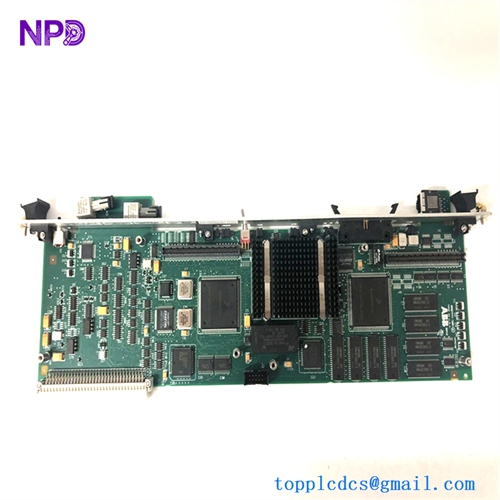
Description
- Model: ABB PFEA113-20 / 3BSE050092R20
- Brand: ABB
- Series: ABB Web Tension Measurement PFT100 / PFC300 Platform
- Core Function: Measures and regulates web tension using load-cell feedback
- Product Type: Tension Electronics Controller
- Key Specs: 4 load-cell inputs Profibus-DP 6 analog outputs
- Supply Voltage: 24 V DC (18–36 V DC)
- Power Consumption: Approx. 12 W
- Load Cell Capacity: Up to 4 load cells
- Load Cell Excitation: 0.5 A RMS at 330 Hz
- Analog Outputs: 6 selectable voltage/current outputs
- Digital Outputs: 4 digital outputs
- Digital Inputs: 1 digital input
- Analog Inputs: 2 analog inputs
- Communication Protocol: Profibus-DP
- Display Function: Sum, differential, and individual tension display
- Filtering Response: 5–1,500 ms selectable response time
- Protection Rating: IP20
- Operating Temperature: +5 °C to +55 °C
- Mounting Type: DIN rail / cabinet mounting
- Weight: Approx. 1.05 kg
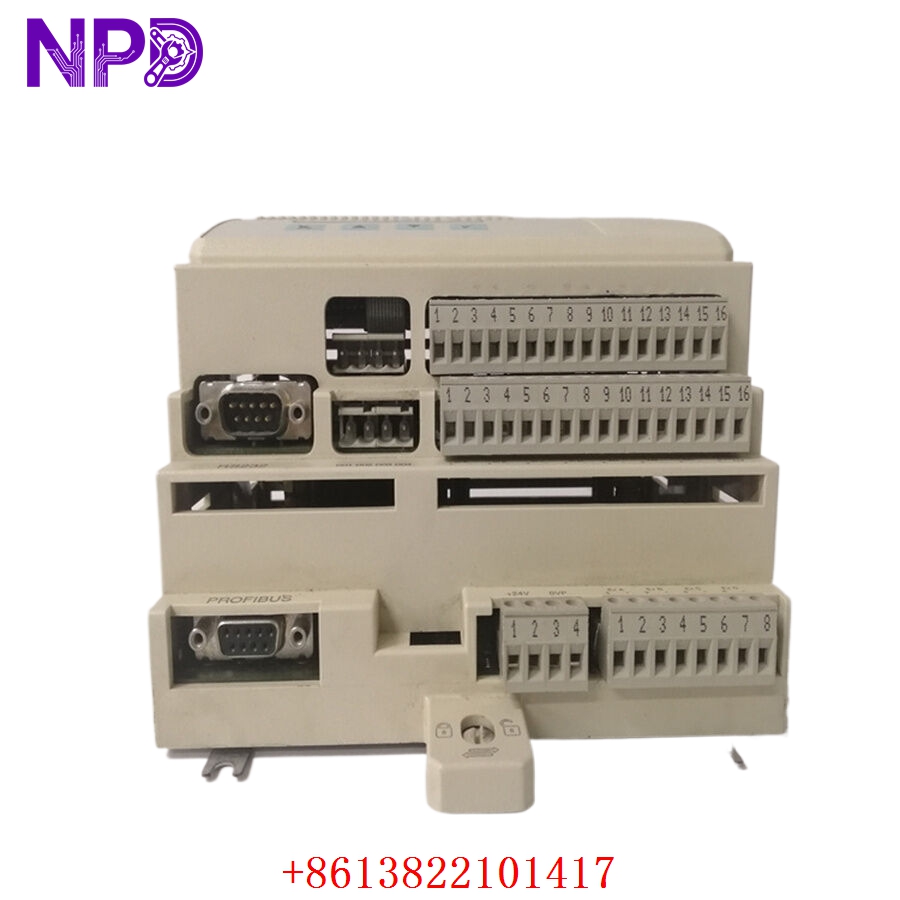
ABB PFEA113-20
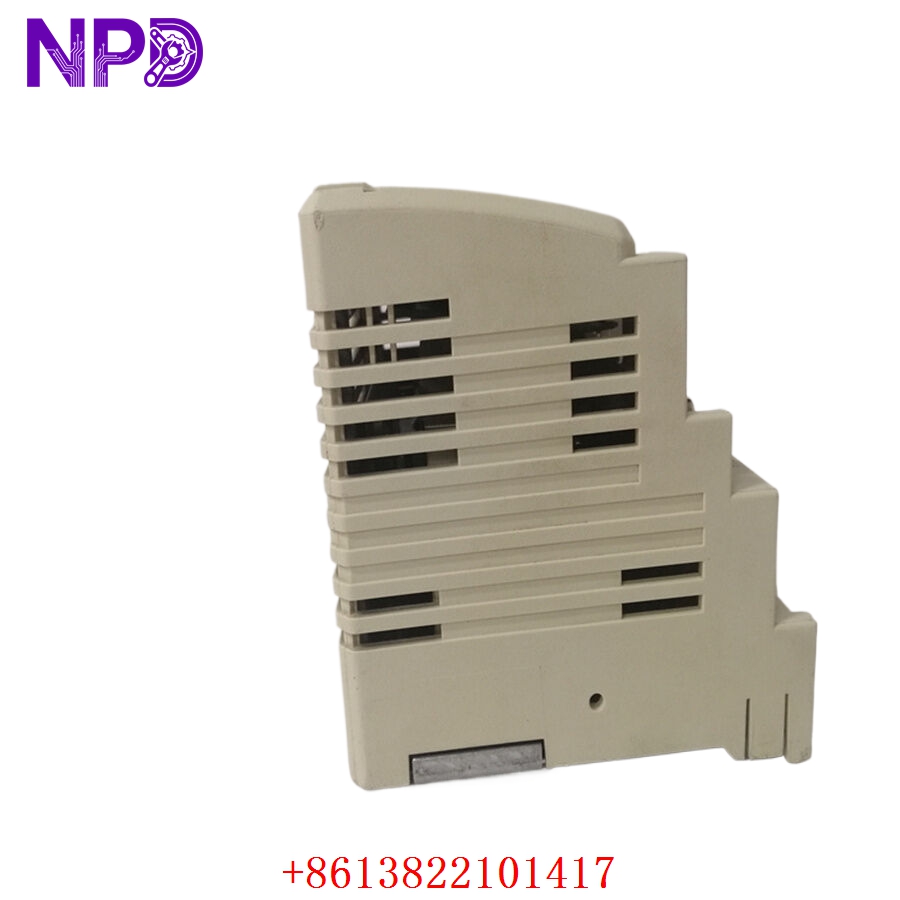
ABB PFEA113-20
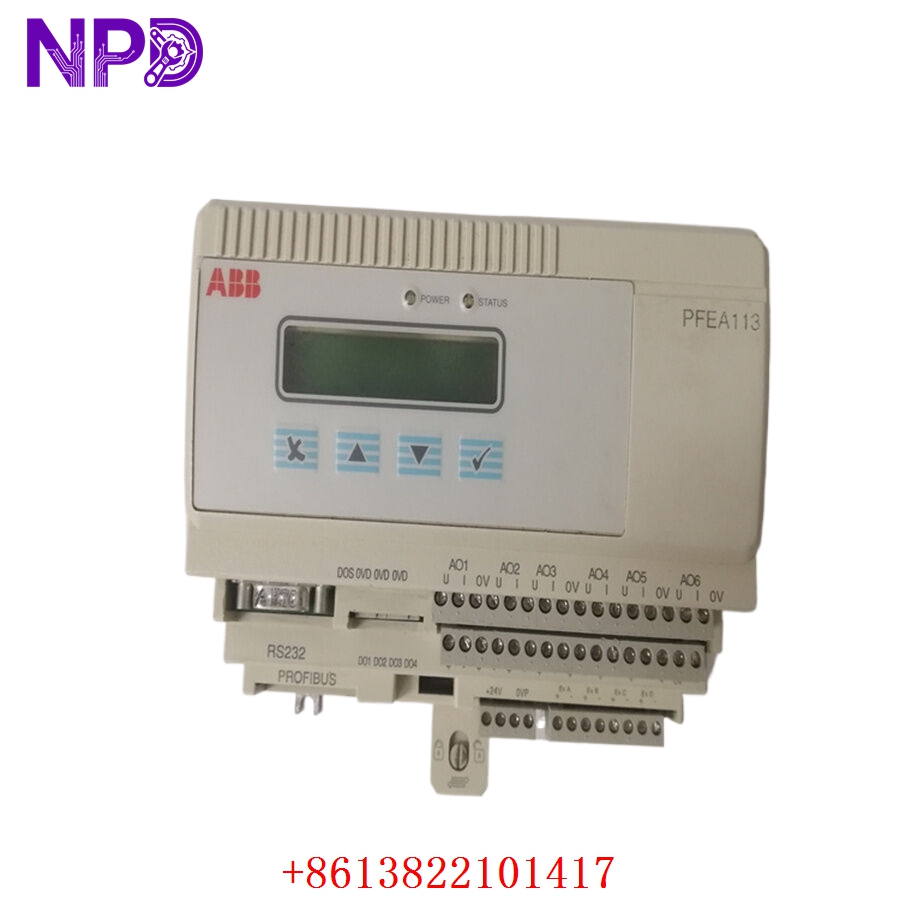
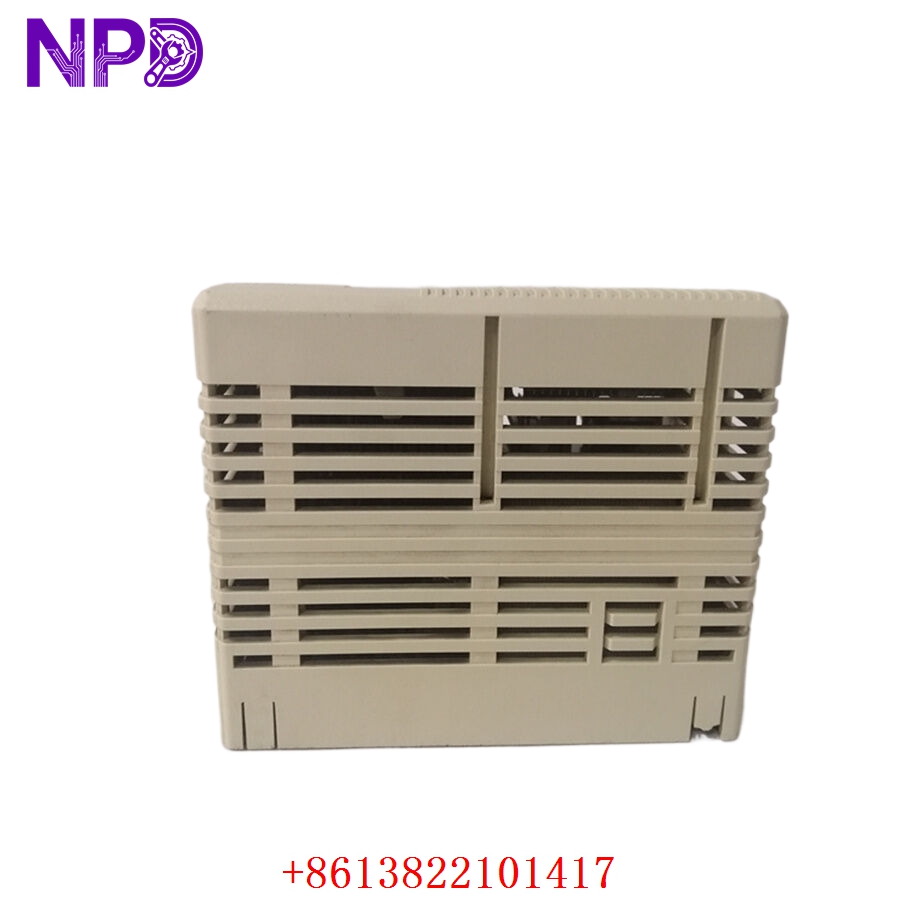
ABB PFEA113-20
Application Scenarios & Pain Points
The PFEA113-20 usually appears in industries where continuous web tension directly affects product quality.
And honestly… tension-control problems are some of the most annoying faults to troubleshoot in automation.
Why?
Because operators often describe the issue vaguely:
- “Material keeps drifting”
- “Edges wrinkle randomly”
- “Coil winding looks uneven”
- “Tension fluctuates at higher speed”
Meanwhile the real cause may sit inside:
- Load-cell wiring
- Analog scaling
- Shield grounding
- Tension electronics filtering
- PID tuning
I’ve seen engineers replace motors, VFDs, and dancer rollers before discovering the actual problem was unstable tension feedback inside the controller.
Typical Application Scenarios
- Paper Mills – Roll Tension Control
Maintains stable web tension during high-speed paper winding and unwinding. - Steel & Aluminum Processing – Coil Line Automation
Controls strip tension between rolling, coating, and slitting sections. - Printing Industry – Flexographic & Gravure Presses
Prevents web wandering and print-registration errors at varying line speeds. - Plastic Film Production – Extrusion & Laminating Lines
Maintains constant film tension to reduce wrinkles and thickness variation. - Textile Manufacturing – Fabric Handling Systems
Synchronizes multi-roll fabric transport systems using load-cell feedback.