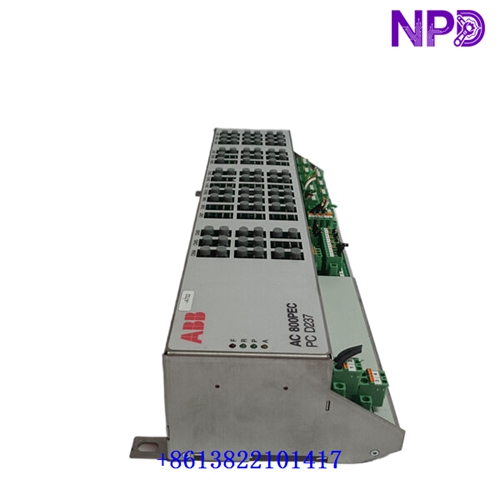
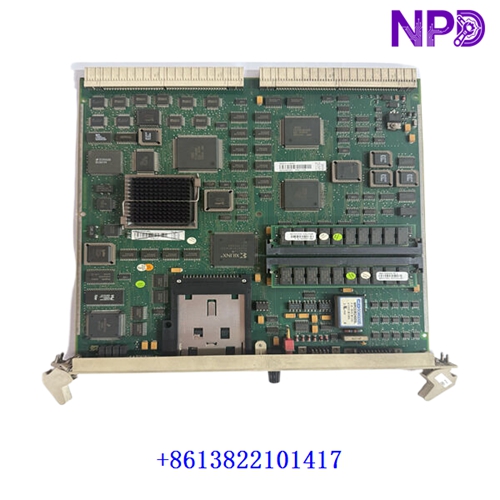

Description
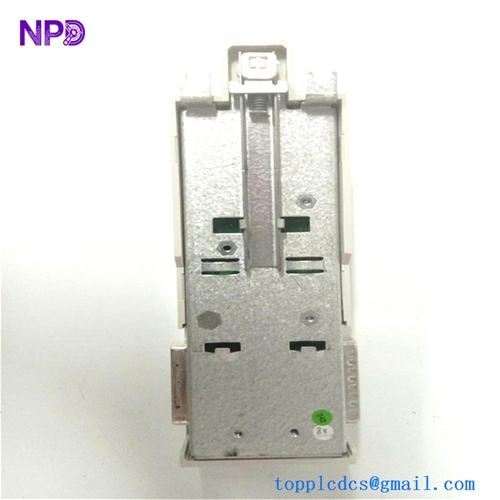
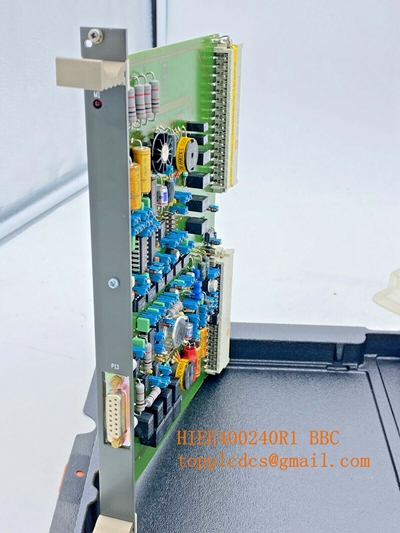
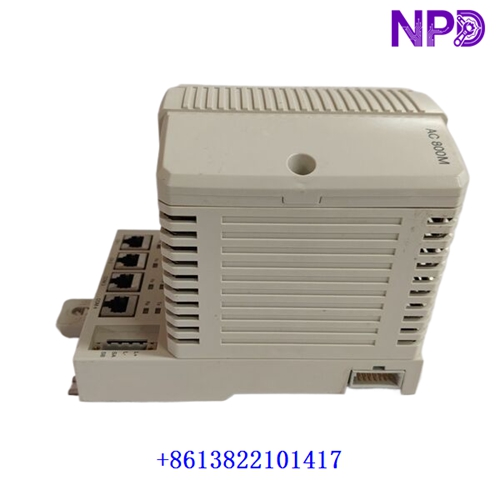
The ABB PFS 140 RULLM 9K (Part Number: 3BSE00653R1), also known as the PFSA 140 Roll Supply Unit or Tension Controller, is a specialized industrial module engineered for precise tension control and reliable power/excitation supply in rolling mills and continuous web-processing applications. Designed to seamlessly interface with ABB’s industrial automation and measurement ecosystems, it ensures stable signal delivery, robust performance, and optimal operational continuity under demanding manufacturing environments.
Product Datasheet
| Parameter | Specification |
| Brand | ABB |
| Model | PFS 140 RULLM 9K |
| Series | PFSA 140 / 800 Series Integration Platform |
| Product Name | Tension Controller / Roll Supply Unit |
| Place of Production | Sweden / Switzerland / USA |
| Operational Status | Active / Standard Industrial Production |
| Dimensions | Standard Modular Industrial Enclosure Form Factor |
| Weight | Approximately 1.5 kg to 2.5 kg |
| Origin | European Union / Global Facilities |
| Power Rating | Designed for 9K Excitation / Control Load Configurations |
Initial Operation Checklist
✓ Verify that the module is securely inserted into its designated slot and that all locking mechanisms are fully engaged.
✓ Inspect all incoming power and control wiring terminals to ensure tight, reliable mechanical and electrical connections.
✓ Confirm that operating voltage and input parameters match the designated 9K specification limits before applying power.
✓ Check front-panel LED indicators (such as Fault, Run, and Warning states) to verify proper module boot-up and initialization.
✓ Ensure communication and signal lines linking to load cells or control processors are correctly shielded and grounded.
Routine Maintenance
⚙ Periodically inspect module terminal blocks and interface connections for signs of environmental wear or loosening due to vibration.
⚙ Clean module housing ventilation slots and surrounding cabinet filters to ensure unobstructed airflow and prevent thermal stress.
⚙ Verify calibration parameters and monitor tension output signal stability using standard diagnostic tools.
⚙ Check grounding points and cable shields regularly to maintain high noise immunity against electromagnetic interference (EMI).
⚙ Review system event logs and diagnostic status registers routinely via the central control software.
Troubleshooting & Common Issues
⚡ Unstable Tension Readings / Signal Fluctuations: Inspect sensor wiring, check for loose terminal screws, and verify shield grounding continuity.
⚡ Module Fault LED Indicators Active: Verify input power supply levels and check internal diagnostic registers for configuration or hardware communication errors.
⚡ Loss of Excitation / Control Output: Check internal fuse links, verify controller command inputs, and inspect connector pins for oxidation or damage.
Safety Precautions
⚠ Always isolate, lock out, and tag out all electrical power sources before inserting, removing, or servicing the module.
⚠ Observe standard electrostatic discharge (ESD) precautions, including the use of a grounded wrist strap, when handling the unit.
⚠ Ensure the control system is safely transitioned to manual or stop mode before performing any hardware adjustments.
⚠ Strictly comply with local electrical codes, plant safety mandates, and manufacturer instructions during all operations.
Frequently Asked Questions (Q&A)
Q: What is the primary application of the ABB PFS 140 RULLM 9K unit?
A: It is primarily used as a roll supply and tension controller unit to provide stable excitation and control signals for rolling mills and web-handling tension measurement systems.
Q: Can this module be replaced while the system is powered on?
A: Generally, standard industrial safety protocols require powering down the rack or isolating the specific slot before replacement, unless specific hot-swap guidelines for the rack architecture are explicitly met.
Q: What system platforms is this controller associated with?
A: It integrates directly into ABB’s industrial control and I/O architectures (such as the 800 series framework) used across metal and paper processing plants.