
Description
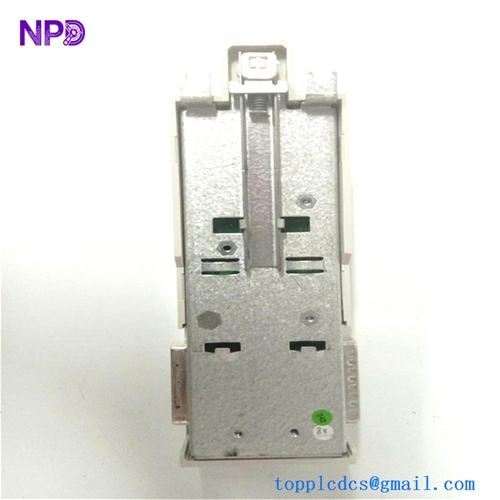
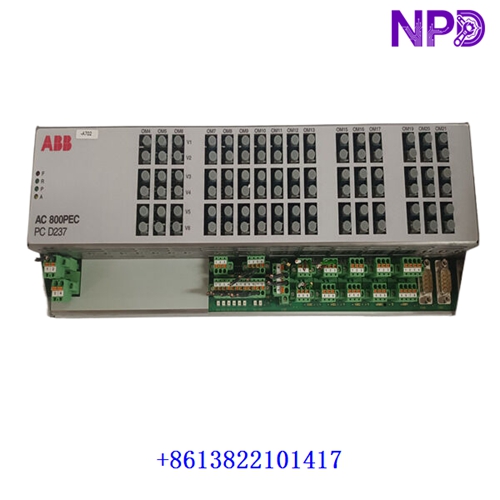
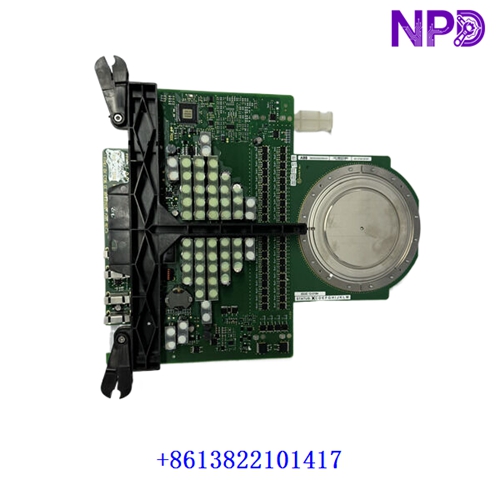
The ABB PFSK142 (Part Number: 3BSE006505R1) is a specialized control and interface board designed for integration within ABB industrial automation and distributed control systems. It provides robust processing and signal routing capabilities to ensure reliable operation and communication across demanding industrial process environments.
- Brand: ABB
- Model: PFSK142
- Part / Catalog Number: 3BSE006505R1
- Series: ABB Industrial Control and Communication Component Line
- Product Name: Control Board / Interface Module
- Origin Country: Sweden / Germany
- Lifecycle Status: Mature / Industrial Automation Spare Part Line
- Form Factor: Standard Modular Industrial Printed Circuit Board (PCB) Assembly
- Weight: Approx. 0.8 kg to 1.2 kg
- Power Rating: Standard Low-Voltage Internal Rack Power Supply
🔍 Initial Operation Checklist
- Verify visual and structural integrity: Inspect the printed circuit board, connector pins, and solder joints thoroughly for any shipping damage or environmental wear.
- Confirm part identifiers: Ensure that the model code (PFSK142) and part number (3BSE006505R1) match your precise system rack and module requirements.
- Check mounting and slot alignment: Carefully align the board to prevent bent pins before securing it into its designated system cabinet or rack slot.
- Validate power metrics: Confirm that the system backplane or rack power supply inputs are stable and within nominal operating thresholds prior to energization.
- Inspect terminal connections: Ensure all interface cables, ribbon connectors, and signal terminal blocks are securely locked and properly terminated.
🛠️ Routine Maintenance & Care
- Dust and debris removal: Periodically clean accumulated dust from the circuit board surface and housing using clean, dry, oil-free compressed air.
- Terminal and connector inspection: Annually check all plug-in connectors and backplane edge pins for secure mechanical seating and oxidation prevention.
- Thermal management: Verify that control cabinet cooling fans and air ventilation paths remain unobstructed to maintain safe operating temperatures.
- Diagnostic tracking: Regularly review system event logs and diagnostic status indicators via the engineering workstation to detect early hardware wear.
⚠️ Troubleshooting & Common Issues
- Signal transmission timeouts: Check cable integrity, bus connections, and node addressing if the control board fails to communicate with main controllers.
- Initialization or boot errors: Reseat the board firmly into its backplane slot and verify that system power supply voltages are stable if it fails to initialize.
- Diagnostic fault patterns: Cross-reference front-panel LED status patterns with system error manuals to isolate channel or communication exceptions.
🛡️ Safety Precautions
- Professional personnel only: Handling, rack insertion, and system configuration must be performed strictly by certified automation and electrical engineers.
- Electrostatic discharge (ESD) protection: Always wear a properly grounded ESD wrist strap when handling bare electronic circuit boards to prevent semiconductor damage.
- Power disconnection: Ensure control rack power supplies are completely powered down before installing or extracting control circuit boards.
❓ Frequently Asked Questions (Q&A)
Q1: What is the primary function of the PFSK142 control board?
A1: It acts as a dedicated control and signal processing module, managing internal communications and logic routing across industrial control setups.
Q2: Can this board be swapped while the control system is powered?
A2: Maintenance should follow standard facility safety guidelines, though standard industry practice for internal printed circuit boards requires powering down the rack to prevent electrical surges or backplane damage.
Q3: How should spare control boards be stored?
A3: Store boards inside anti-static shielding bags within a climate-controlled environment free from high humidity, chemical vapors, and extreme temperature fluctuations.