
Description
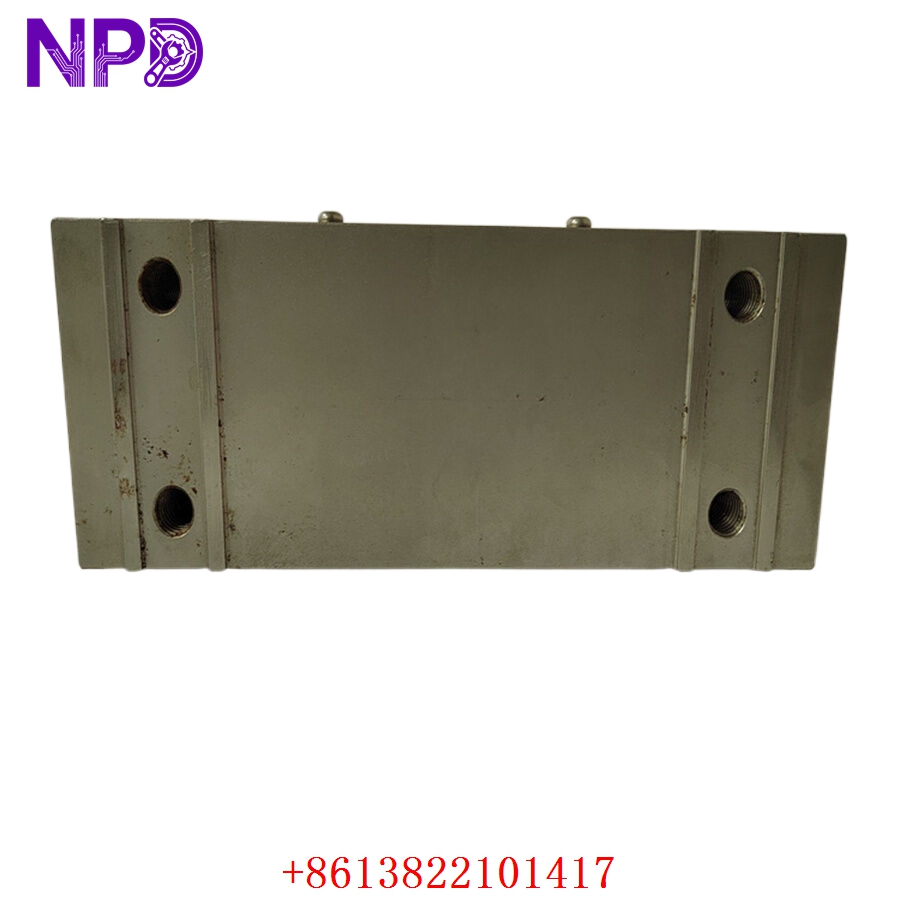
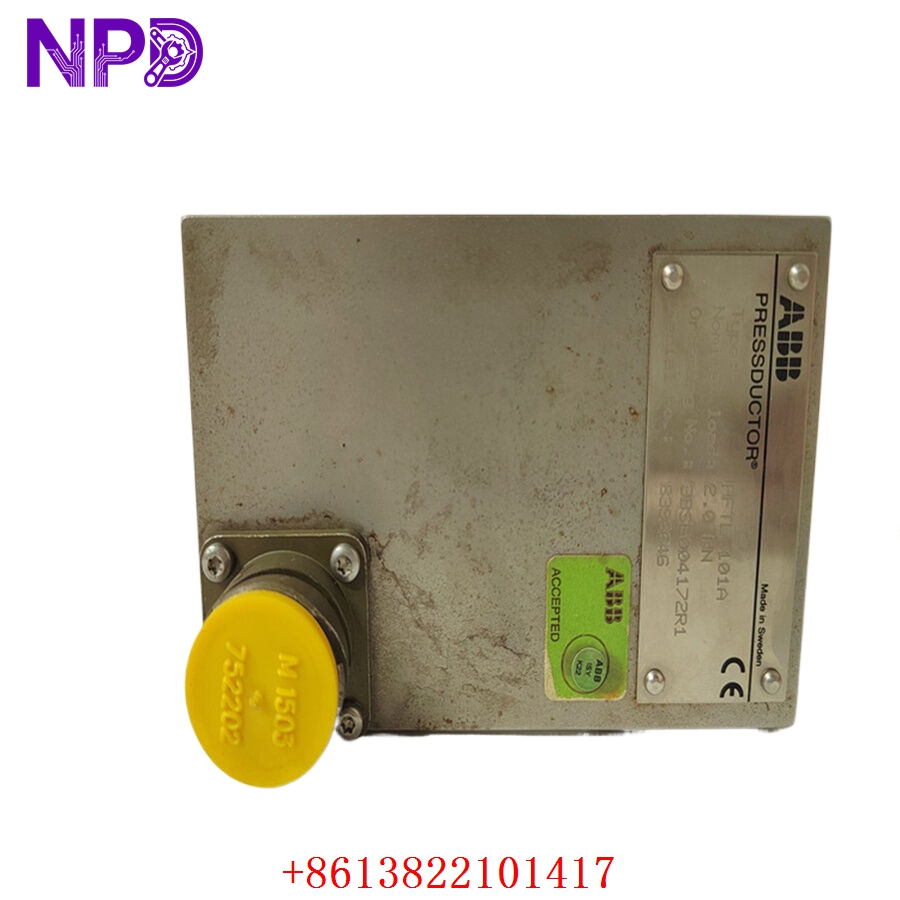
- Model: ABB PFTL101A 2.0KN (Specific Part Number: 3BSE004172R1)
- Brand: ABB (Sweden / Force Measurement Division)
- Series: Pillow Block Load Cells – Pressductor Technology Family
- Core Function: Measures horizontal web tension components via magnetoelastic Pressductor sensor principles
- Product Type: Horizontal Pillow Block Load Cell / Force Transducer
- Key Specs: 2.0 kN (2,000 N) Nominal Measuring Force | 30 V AC Drive Excitation | Stainless Steel Construction
- Nominal Force Rating: 2.0 kN (2,000 N / approx. 450 lbs) horizontal force limit
- Extended Overload Boundary: Up to 6.0 kN (6,000 N) structural limit without zero-shift drift
- Transducer Technology: Pressductor magnetoelastic sensing block layout
- Required Excitation Current: Nominal 2.0 A AC high-frequency drive link
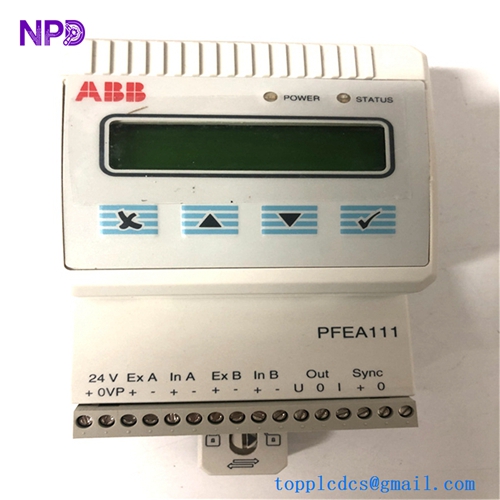
- Excitation Frequency: Standard 400 Hz operating baseline (driven via external PATT or PFEA matching amplifiers)
- Signal Sensitivity Variance: Approximately 40 mV full-range deflection potential at nominal load
- Physical Housing Protection: IP65 ingress rating against water sprays and process dust
- Operating Temperature Limits: Wide -10^\circC to +70^\circC active environmental spectrum
- Terminal Interface Connection: Heavy-duty industrial plug connector or internal fixed terminal block configuration
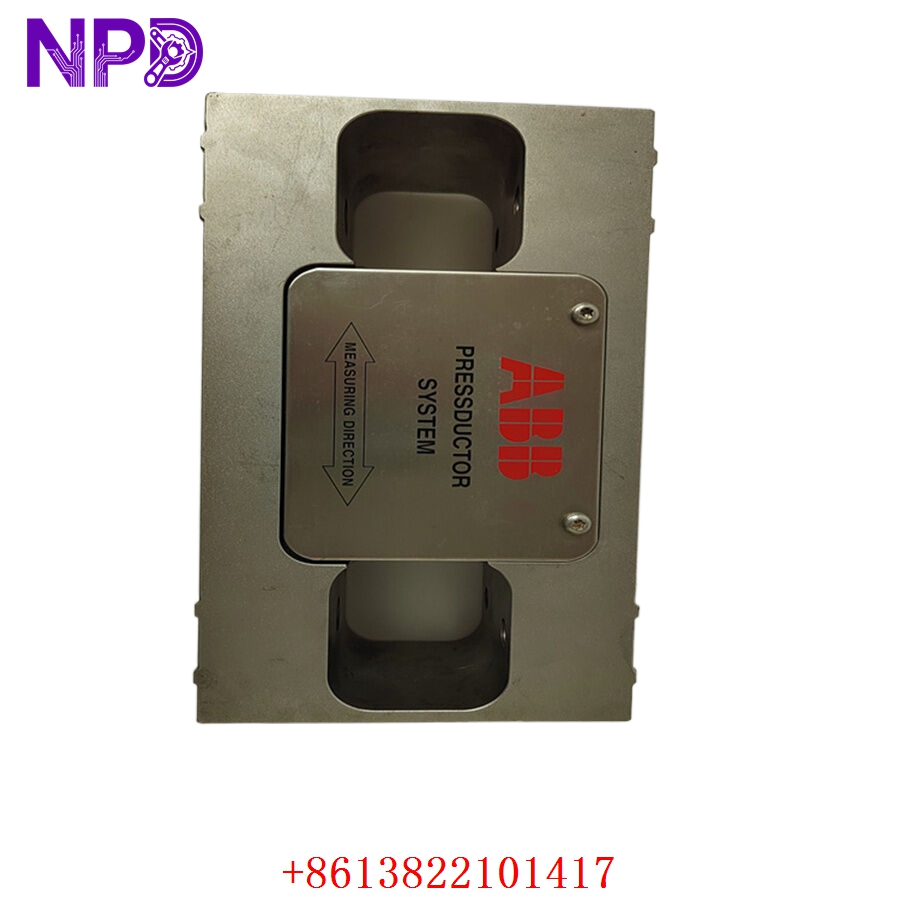
ABB PFTL101A 2.0KN 3BSE004172R1
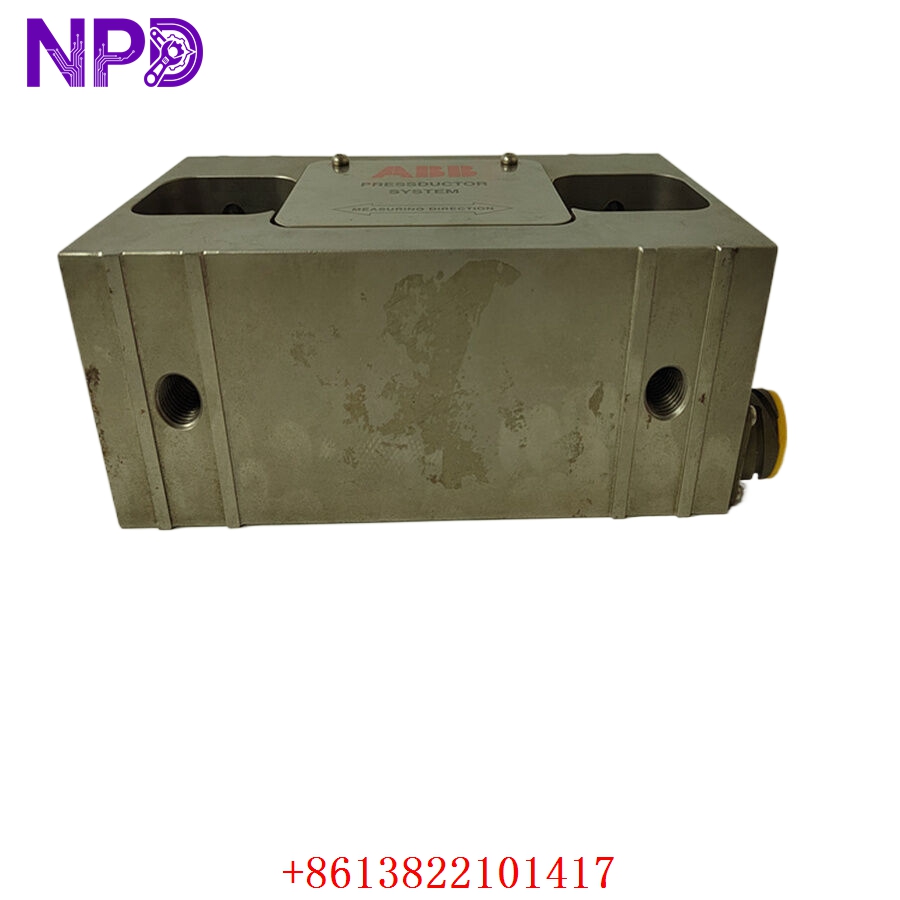
ABB PFTL101A 2.0KN 3BSE004172R1
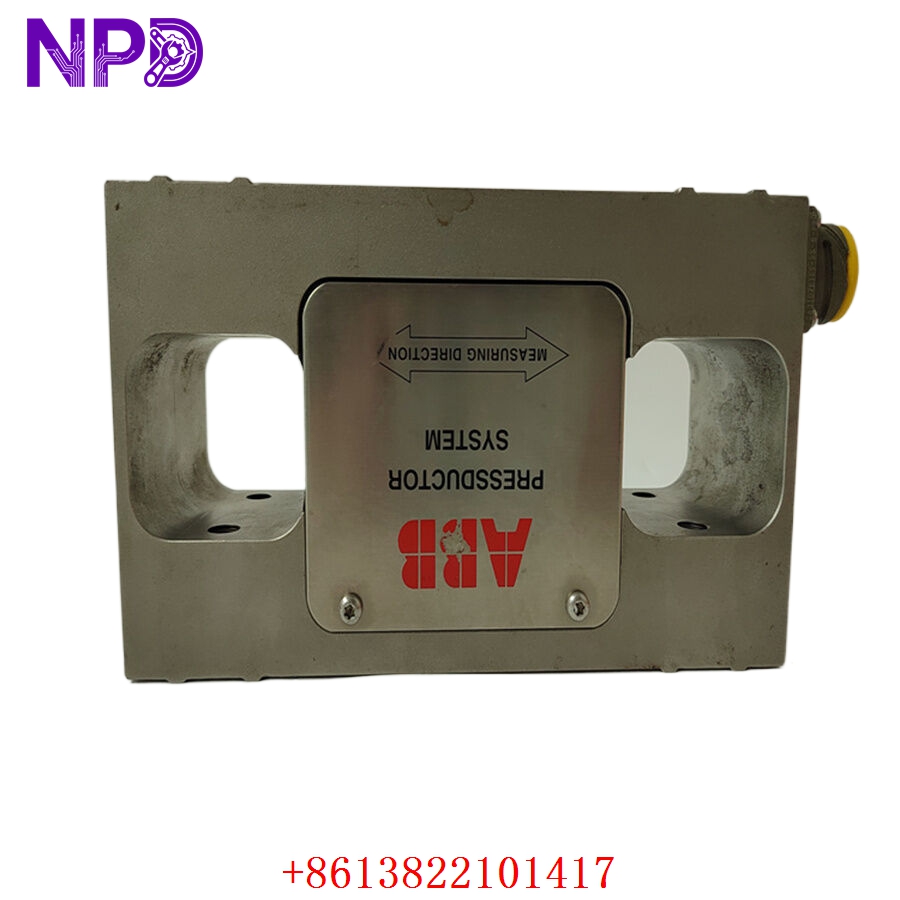
ABB PFTL101A 2.0KN 3BSE004172R1
Application Scenarios & Engineering Pitfalls
The On-Site Reality
In high-speed, continuous-web manufacturing applications—like a primary paper-forming machine machine reel, a wide-web film converter, or a steel strip galvanizing line—maintaining precise web tension is critical. The ABB PFTL101A 2.0KN load cell is positioned under the bearing blocks of a guide roller to sense changes in horizontal force component profiles. If this sensor drifts, shorts out, or develops a fault, the tracking controller receives bad data, causing immediate web wrinkling, sheet breaks, or mechanical machine wraps. Because these precise mechanical items have highly specialized industrial distribution chains, finding an immediately deployable unit avoids letting down your converting lines for days.
Typical Deployment Scenarios
- Pulp & Paper – Sectional Slitters and Rewinder Machine RailsProvides continuous monitoring of the running sheet tension profile, preventing premature sheet breaks during high-speed roll changes.
- Heavy Metallurgy – Continuous Steel Strip Galvanizing and Coating LinesTracks tension vectors on process rollers to ensure the metal strip stays flat and prevents damage to furnace rollers.
- Plastic Film Converting – High-Velocity Multi-Layer Extrusion LinesEnsures precise tracking for thin polymer base structures where tight tension control prevents structural material stretching.
- Textile & Printing – High-Capacity Fabric Processing FrameworksDrives responsive, noise-isolated feedback signals to coordination drives to maintain correct ink application alignments.
Plant Survival Case Study: Paper Machine Reel Line Failure Resolved
- Background: A large-scale industrial packaging mill was running a high-speed cardboard line utilizing an automated tension controller. The horizontal force calculation relied on a paired set of ABB PFTL101A 2.0KN load cells mounted directly beneath a major wet-end guide roll.
- The Problem: During a high-pressure washdown sequence, a faulty seals package on the drive-side sensor housing leaked, allowing alkaline process water to enter the internal block coils. The load cell developed severe internal grounding shorts, causing the web tension feedback signal to fluctuate wildly. The primary controller attempted to compensate, causing a massive web snap that wrapped around the press rolls, taking down production. The plant was losing up to $18,000 per hour, and standard local automation channels quoted an extended factory replacement delivery.
- The Solution: The mill’s automation maintenance lead bypassed standard vendor delays by contacting our depot. We quickly pulled an exact matching 3BSE004172R1 unit from our clean inventory reserve, ran it through our comprehensive insulation resistance and magnetic balancing verification, and sent it out via emergency overnight transport.
- The Result: The replacement load cell arrived at the plant maintenance bay by 6:00 AM the following morning. The maintenance crew completed the physical alignment swap, re-pinned the sensor block cables, and dialed in the zero-span calibration parameters using a local deadweight rig. The cardboard machine resumed full operations by midday shift, saving the mill from a week of lost production capacity.
Compatible Replacement Models
When replacing high-end force measurement units, pay close attention to mechanical size codes and force ratings to ensure a direct mechanical match.
| Original Part Number | Alternative Model | Compatibility Level | Key Differences / Structural Variances | Required On-Site Modification Steps | Cost Variance |
| PFTL101A 2.0KN | PFTL101A 1.0KN (3BSE004171R1) | ❌ Hardware Incompatible | Lower force classification. Physical dimensions are identical, but internal coils are optimized for maximum 1.0 kN forces. | Do not substitute. Exposing a 1.0 kN block to a 2.0 kN process load will oversaturate the sensor and distort tension readings. | -5% |
| PFTL101A 2.0KN | PFTL101AE 2.0KN Extended | ✅ Drop-in Replacement | Functional equivalence; the “E” designation represents an enhanced environmental housing package with matching wiring pinouts. | Direct physical swap. Drop the unit into the alignment keyway and transfer your existing terminal landing plug. | +15% |
| PFTL101A 2.0KN | PFTL101B 2.0KN | ❌ Hardware Incompatible | Alternate physical footprint group designed for vertical load cell mounting styles instead of pillow block layouts. | Structural mounting points, alignment pins, and force tracking axes are completely different. | +10% |
Quality Assurance & Testing Standard Operating Procedure
To eliminate performance concerns regarding high-precision force transducers or warehouse-aged components, every ABB load cell undergoes a multi-point verification protocol before shipment clearance.
[Inbound Traceability Log] ➔ [Optical Keyway & Housing Check] ➔ [Coil Resistance & Isolation Metering] ➔ [Dynamic Load Step Simulation] ➔ [Secure Ingress Sealed Packing] 1. Inbound Traceability and Structural Screening
- Authenticity Profiling: Verifying the physical manufacturer nameplate, internal board traces, and manufacturing revision codes against ABB’s Force Measurement Division production history.
- Chassis Assessment: Detailed optical tracking of the precision mounting plate, tracking surfaces, and alignment pin keyways to ensure zero deformation.
2. Microscopic Coil Resistance & Isolation Metering
- Coil Balance Tracking: Measuring winding impedance across the internal primary excitation and secondary output loops using an LCR meter.
- Insulation Integrity Test: Applying a 500 V DC test barrier across the sensor element coils down to the stainless steel frame using a digital insulation tester.
- Pass Threshold: Isolations must measure above 10 MΩ to ensure trouble-free signal tracking inside moist or humid processing locations.
3. Dynamic Load Step Simulation
- The Testing Array: The PFTL101A 2.0KN block is positioned inside a calibrated hydraulic force calibration press paired with a live ABB PFEA series tension amplifier module.
- Force Verification Testing: We apply calibrated step forces (0.5 kN, 1.0 kN, 1.5 kN, and 2.0 kN) directly across the horizontal measurement axis.
- Linearity Audit: Tracking the millivolt output data stream to confirm smooth, linear signal tracking without signal hysteresis or zero-point drift.
4. Final Quality Sign-Off and Secure Packaging
- Certification Tagging: The testing technician signs and applies a serialized “QC Passed” sticker directly onto the anti-static packaging layer.
- ESD and Moisture Protection: The unit is wrapped in heavy anti-static bubble wrap and sealed inside a vapor-barrier bag packed with fresh desiccant.
- Shock Protection: Housed inside custom shock-absorbing foam layers within a heavy shipping box to eliminate any transportation risks.
Horizontal Load Cell Field Troubleshooting Quick Reference
❗ SAFETY FIRST: Ensure the web line is completely stopped and all process mechanical tension has been fully released before loosening load cell mounting bolts or servicing signal wiring. Working on a live, loaded roller can cause severe mechanical damage or serious physical injury.
Q: The tension amplifier displays a continuous “Excitation Error” or “Open Loop” fault flag, and the tension reading defaults to a flat zero.
A: Correlation: High. This symptom indicates a broken conductor path or an internal coil failure either inside the cabling harness or within the primary excitation windings of the PFTL101A sensor.
- Isolate the power from the matching tension amplifier module.
- Disconnect the sensor plug connector at the load cell housing interface. Use a digital multimeter to measure loop resistance across pins 1 and 2 (the primary excitation loop).
- If the reading indicates an infinite or completely open circuit, the drive coils are compromised. Inspect your field cabling run; if the cable proves sound, the internal transducer coil is dead. Replace the load cell.
Q: The load cell registers web tension values even when the machine is empty and no material is threaded through the roller assembly. A: Correlation: High (Mechanical tare shift). This issue is typically caused by a mechanical shift in the pillow block bearing alignment, or over-torqued mounting bolts distorting the load cell housing.
- Back off the main mounting bolts securing the pillow block bearing down onto the load cell frame.
- Check your installation manual for the exact torque specifications and use a calibrated torque wrench to retighten the fasteners evenly.
- Use the calibration menu on your PFEA amplifier to run a fresh “Zero Tare” routing with the roller assembly resting in place. If the zero point continues to drift randomly, the internal Pressductor plates have suffered permanent mechanical distortion from an over-torque strike, requiring a card replacement.
Q: The web line tracks perfectly at low operational speeds, but running the line up to full manufacturing speed causes the tension values to fluctuate wildly, triggering false brake responses. A: Correlation: Medium-High. This problem usually points to severe high-frequency noise from nearby variable-frequency drives (VFDs) corrupting the low-voltage millivolt signal lines, or an unbalanced guide roll generating mechanical resonance.
- Inspect the field signal line routing paths. The load cell signals must travel through dedicated, twisted-shielded instrumentation cables separated from high-current motor cables.
- Ensure that the cable shield drain is terminated to ground at the tension amplifier chassis side only.
- If your wiring configuration is correct but the noise persists, check the guide roller bearings for mechanical runout or wear. If the roller is mechanically balanced, the load cell’s internal G3 coating or dampening properties may have degraded, allowing structural harmonics to corrupt your measurements.
❗ Critical Installation Guidelines for On-Site Technicians
- Align the Force Direction Arrow: Pay close attention to the directional force indicator stamped onto the load cell frame. The PFTL101A horizontal sensor measures forces acting along its horizontal plane. Installing the unit backwards or misaligning the force tracking axis will cause the sensor to read negative values or drop its signal resolution completely during runtime.
- Use an Even Torque Pattern: When mounting your pillow block bearings onto the load cell top plate, always turn down your mounting bolts using a crosswise torque pattern in gradual steps. Applying uneven torque can twist the internal magnetoelastic core, introducing a fixed measurement bias that limits your tracking linearity.
- Keep Side-Loading Within Limits: Ensure your machine frames are square and aligned. Excessive axial forces acting along the shaft axis (side-loading) will put stress on the sensor housing, skewing your horizontal web measurement metrics.