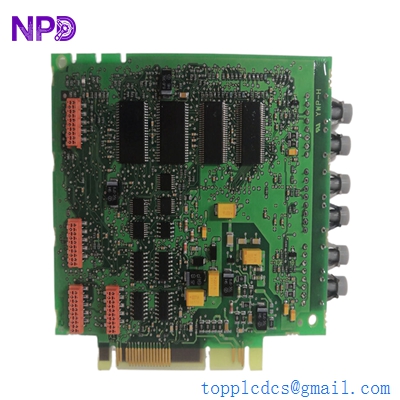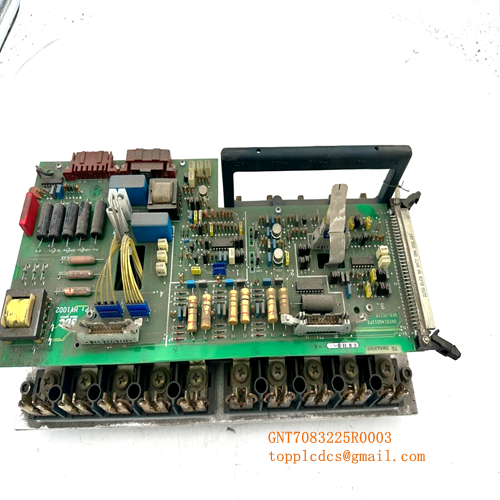
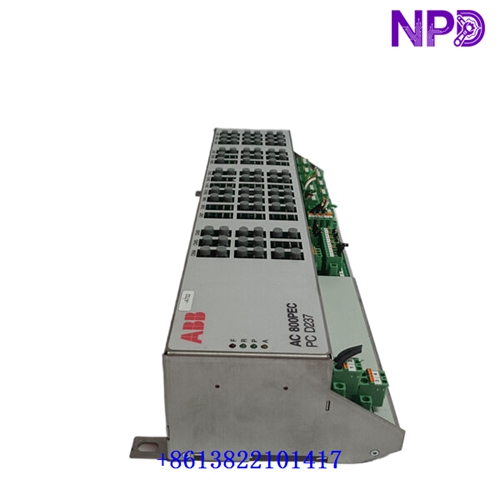
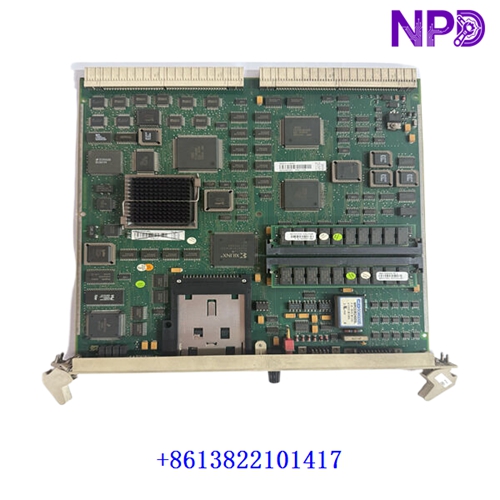

Description
The following parameters outline the technical characteristics, physical dimensions, and operational classifications for this high-performance industrial control network interface assembly.
- 🏢 Brand: ABB
- 🏷️ Model: PNI800 (PNI800K01)
- 📦 Series: Symphony Plus SD Series / Control Network Infrastructure
- ⚙️ Product Name: Plant Network Interface Module
- 🌍 Country of Origin: Sweden / Global Manufacturing Standard
- 🔄 Operational Status: Active Production / Industrial Automation Grade
- 📏 Dimensions: 170.18 mm (Width) x 73.66 mm (Height) x 243.84 mm (Depth/Length)
- ⚖️ Weight: Lightweight Electronic Module Class
- 🏭 Original Origin: ABB Process Automation Division
- ⚡ Power Rating: 200 mA at 24 VDC (\pm10%)
Initial Operation Inspection Checklist
Perform the following verification steps prior to initial module installation and system power-up:
- ✅ Visual Inspection: Examine the module housing, connector pins on the MB805 base, and front plate for any transit damage or handling defects.
- ✅ Base Seating Verification: Confirm that the PNI800 module is securely aligned and locked into its designated MB805 base unit.
- ✅ Network Cabling Check: Verify that dual Ethernet connections linking to the redundant PN800 network structure are securely plugged into the proper RJ45 ports.
- ✅ ESD Compliance: Ensure proper grounding procedures and anti-static precautions are maintained during handling.
Routine Maintenance & Servicing
Adherence to scheduled maintenance protocols ensures extended operational longevity and network reliability:
- ⏱️ Dust and Debris Clearance: Periodically clear accumulated dust from ventilation paths and terminal areas using clean, dry, oil-free compressed air.
- ⏱️ Power Connection Inspection: Periodically check power supply terminal blocks (TB1 on the MB805 base) to ensure secure wiring free from vibration loosening.
- ⏱️ Diagnostic Status Monitoring: Routinely review system diagnostic outputs and logs via the front-panel mini-USB diagnostic port to track error rates and node health.
Troubleshooting & Common Faults
Systematic diagnostic procedures for addressing typical operational anomalies and network faults:
- 🔍 Network Redundancy Faults: Inspect both redundant LAN lines (PN800A and PN800B) and PRP configuration settings if communication drops or switchover warnings occur.
- 🔍 Client Connection Limits: Verify that engineering (SPE) or HMI workstation connection counts do not exceed capacity limits (up to 10 SPE clients or 30,000 HMI tags).
- 🔍 Power Input Fluctuation: Measure the 24 VDC supply rails to guarantee stable power delivery within tolerance parameters without voltage sag.
Safety Precautions
Crucial safety rules to protect personnel and prevent catastrophic equipment damage:
- ⚠️ Qualified Technicians Only: Installation, replacement, and servicing must be performed exclusively by certified personnel trained in ABB Symphony Plus control network infrastructure.
- ⚠️ Power Isolation: Always ensure system power is isolated before inserting or removing the PNI800 module from its live baseplate.
- ⚠️ Electrostatic Protection: Store and transport replacement modules inside certified anti-static shielding bags to prevent electrostatic discharge damage.
Frequently Asked Questions (Q&A)
- ❓ Q1: What is the primary function of the PNI800 module?
A1: The PNI800 provides bi-directional, real-time communications between PC-based engineering stations (S+ Engineering), HMI/SCADA software, and SD Series controllers connected to the PN800 control network.
- ❓ Q2: Does the PNI800 support network redundancy?
A2: Yes. It implements the IEC 62439 Parallel Redundancy Protocol (PRP) as a Dual Attached Node (DANP), linking to dual independent LAN paths (PN800A and PN800B) for zero switch-over time reliability.
- ❓ Q3: Can the PNI800 module be hot-swapped?
A3: Yes, the module supports hot-swapping capabilities on its mounting base to facilitate seamless maintenance without full system outages.