
Description
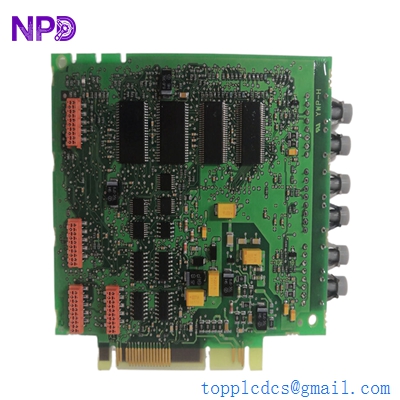
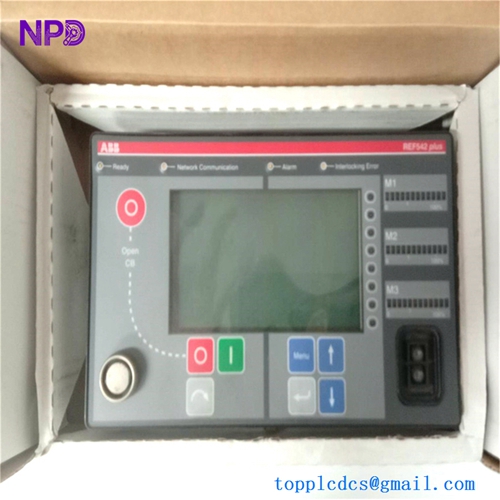
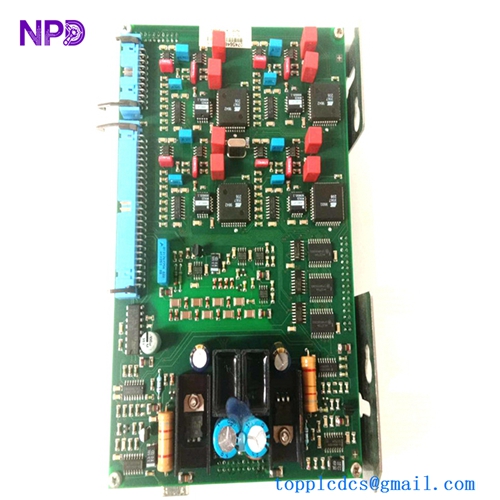
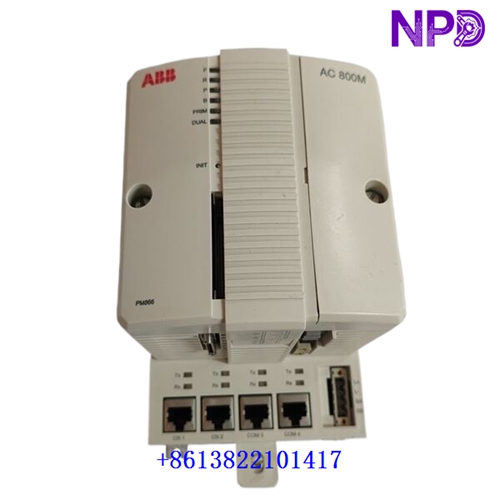
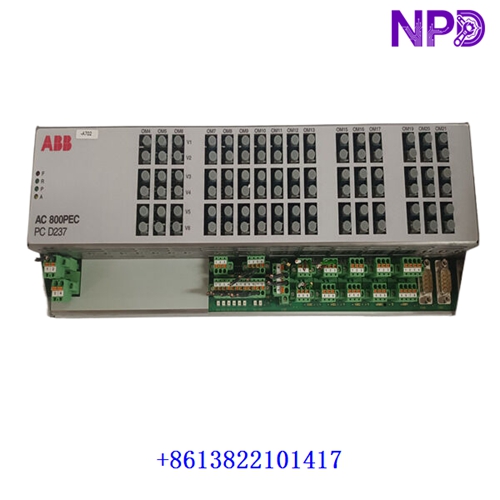
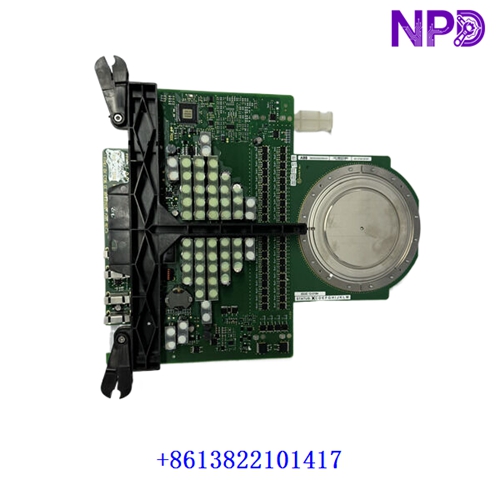
The ABB PPD113-B03-10-150000 is an advanced controller and processing hardware unit engineered specifically for the AC 800PEC industrial control system architecture. It delivers high-speed computational performance, deterministic control capabilities, and robust reliability, making it an optimal solution for demanding power electronics, high-dynamic industrial drives, and complex automation processes.
- Brand: ABB
- Model: PPD113-B03-10-150000
- Series: AC 800PEC Control System
- Product Name: Control System Processor / Controller Unit
- Place of Production: Sweden / Germany
- Lifecycle Status: Active / Industrial Core Line
- Dimensions: Standard Modular Rack Mount Form Factor
- Weight: Approx. 1.3 kg
- Original Origin: European Union
- Power Consumption: 24V DC / Max 15W
📋 Initial Startup Inspection Checklist
- 🔍 Visual Inspection: Verify that the enclosure, front panel interface, and backplane connector pins are completely free from physical damage, bending, or contamination.
- 🔍 Firmware Compatibility: Ensure that the internal software and hardware revision levels align with the designated AC 800PEC engineering tool requirements.
- 🔍 Power Supply Verification: Check incoming DC supply voltage stability with a calibrated meter to guarantee it resides strictly within the rated 24V DC tolerance.
- 🔍 Grounding Continuity: Confirm that all cabinet shielding and rack grounding paths are securely fastened to ensure robust noise immunity.
- 🔍 Environmental Assessment: Verify that control room or cabinet ambient temperatures and humidity levels adhere safely to specified limits.
🛠️ Routine Maintenance and Servicing
Regular preventive maintenance ensures long-term operational stability and prevents unexpected shutdowns in critical control loops.
- 🔧 Ventilation Maintenance: Periodically clear cabinet air filters and cooling paths using clean, dry, oil-free low-pressure air to prevent thermal buildup.
- 🔧 Terminal Torque Check: Annually inspect plug-in connectors and terminal blocks to prevent loosening caused by environmental vibration.
- 🔧 Diagnostic Log Audit: Routinely review system status LEDs and event logs via the engineering workstation to detect early warning signs.
- 🔧 Configuration Backups: Keep updated, secure backups of all application software and system parameters off-site.
🔍 Troubleshooting and Common Faults
Systematic fault isolation ensures rapid recovery from unexpected control anomalies.
- ⚠️ Fault Symptom 1 (Processor Unit Unresponsive): Check primary power feeds, internal board fuses, and backplane slot seating. Replace fuses only with identical factory ratings.
- ⚠️ Fault Symptom 2 (Communication Link Loss): Inspect optical fiber links, network cables, and termination blocks for physical damage or loose seating.
- ⚠️ Fault Symptom 3 (Internal Watchdog / Error Trips): Check module insertion depth, inspect backplane pins for oxidation, and clean gently with electronic contact cleaner if necessary.
⚡ Safety Precautions
- 🛡️ Qualified Personnel Only: Installation, configuration, and servicing must be performed exclusively by certified electrical and automation technicians.
- 🛡️ ESD Protection: Always utilize a calibrated wrist strap and handle internal circuit boards solely by their non-conductive edges.
- 🛡️ Energy Isolation: Completely de-energize and lock out the rack system before inserting or removing the control hardware module.
❓ Frequently Asked Questions (Q&A)
- 💡 Q1: Can this controller module be replaced while the system is powered on?
- A1: Live insertion or hot-swapping is generally prohibited unless the specific rack hardware and redundancy profile explicitly support it. Always power down the system to prevent electrical damage.
- 💡 Q2: What steps should be taken if the controller fails to complete its boot sequence?
- A2: Disconnect power, re-verify physical slot seating, check power supply stability, and attempt recovery using the authorized system bootloader or engineering utility.