
Description
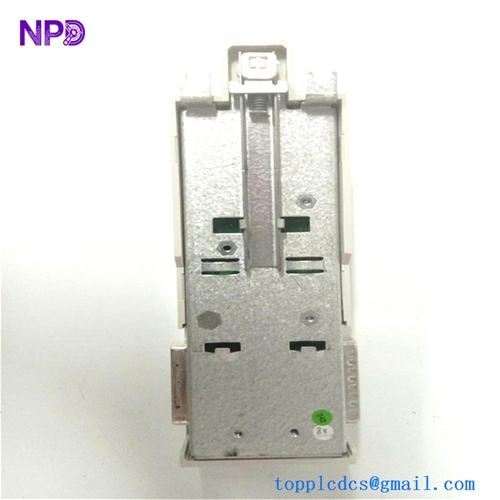
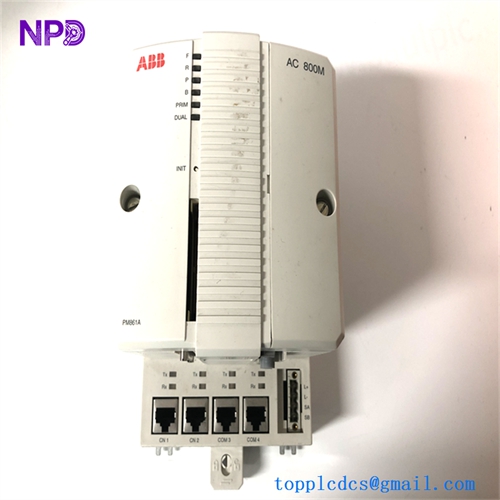
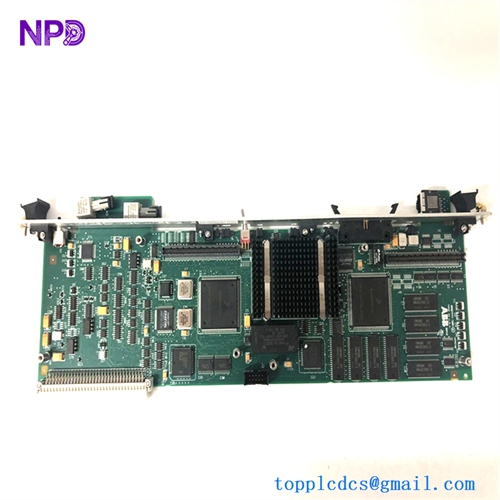
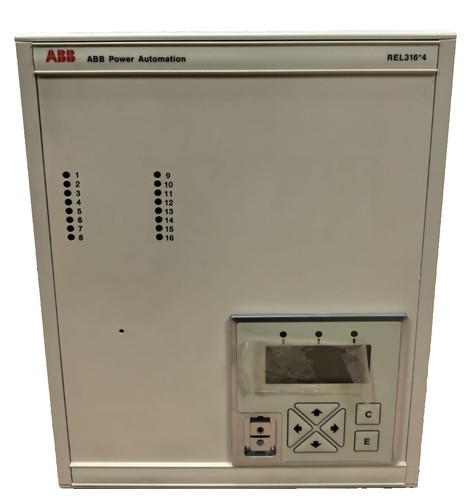
The ABB REL316*4 Numerical Line Protection relay represents an advanced microprocessing-based protective device engineered for high-voltage transmission lines. It provides comprehensive distance protection, directional earth fault detection, and integrated auto-reclosing functions, ensuring absolute reliability and security for modern electrical power grids.
| Parameter | Specification |
| Brand | ABB |
| Model | REL316*4 |
| Series | REL300 Numerical Protection Series |
| Product Name | Numerical Line Protection Relay |
| Place of Origin | Switzerland / Sweden |
| Product Status | Mature / Legacy Industrial Support |
| Dimensions | Standard 19-inch rack mounting, 4U height |
| Weight | Approx. 8.5 kg |
| Country of Origin | Switzerland |
| Power Consumption | Max 45 W (Normal Operation: 30 W) |
First-Run Inspection Checklist
- ☑ Physical Integrity Check
Inspect the outer metallic enclosure for any transportation damage, dents, or loose structural components. Ensure all rear-panel terminal blocks, optical communication ports, and grounding studs are clean, intact, and firmly secured.
- ☑ Power Supply & Earthing Verification
Verify that the auxiliary DC supply voltage matches the relay nameplate rating (nominal 48V, 110V, or 220V DC) using a calibrated digital multimeter before energization. Ensure the dedicated safety ground terminal is securely wired to the substation earth grid with minimum impedance.
- ☑ Hardware & Software Self-Test
Power on the device and monitor the front-panel LED indicators and LCD diagnostic display. Confirm that the internal watchdog relay remains healthy and no error codes or memory fault messages are generated during the boot sequence.
Routine Maintenance & Servicing
- 🛠 Environmental Monitoring
Regularly inspect the relay room climate control systems to ensure operating temperatures remain within the recommended range (-10°C to +55°C) and relative humidity does not exceed 90% non-condensing. Prevent dust accumulation on ventilation slots.
- 🔌 Terminal Inspection & Diagnostic Testing
Perform semi-annual visual inspections of wiring connections to detect any thermal discoloration or terminal loosening caused by substation vibrations. Conduct periodic binary input/output functional tests and verify communication link integrity with the SCADA system.
Troubleshooting & Common Issues
- ⚠️ Auxiliary Power Supply Failure
If the relay fails to power up or the healthy LED remains dark, check the incoming DC supply fuses and terminal voltage. Verify polarity and ensure the internal power supply module fuses are intact.
- ⚠️ Communication Link Dropouts
In case of SCADA or remote protection signaling loss, inspect fiber optic connectors for dust contamination or excessive bending radii. Verify baud rates, protocol settings, and communication channel addressing parameters.
Safety Precautions
- 🔐 Qualified Personnel Only
Installation, testing, and maintenance must be performed exclusively by authorized and trained electrical engineering personnel familiar with high-voltage protection schemes and substation safety protocols.
- ⚠️ Current Transformer (CT) Safety
Never open-circuit secondary terminals of live current transformers while the primary circuit is energized. Always short-circuit CT secondary windings before disconnecting input wiring to prevent lethal high-voltage induction.
Frequently Asked Questions (Q&A)
- ❓ Q1: Can the REL316*4 relay be integrated into modern IEC 61850 substation automation networks?
A: The REL316*4 is a legacy numerical protection platform originally designed with proprietary serial communication protocols (such as SPA-bus). Integration into IEC 61850 systems typically requires compatible protocol converters or gateway interfaces.
- ❓ Q2: What action should be taken if the internal watchdog alarm activates?
A: A persistent watchdog alarm indicates a critical hardware or firmware error. Record any error codes displayed on the front screen, isolate the protection zone if necessary, and contact authorized ABB technical support for diagnostic evaluation.