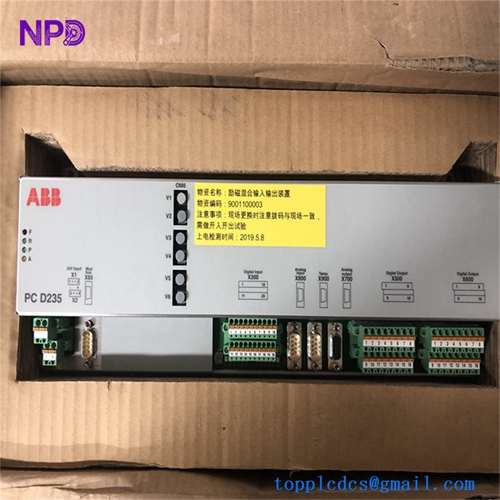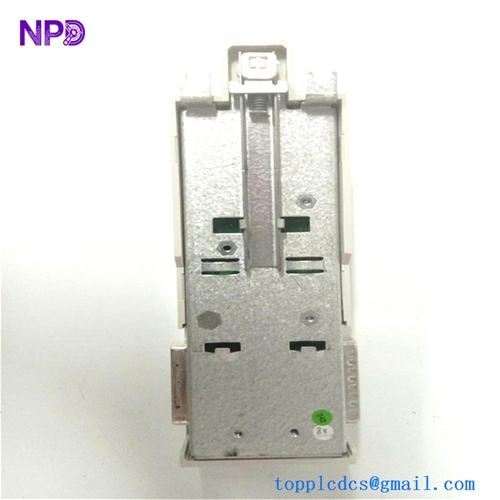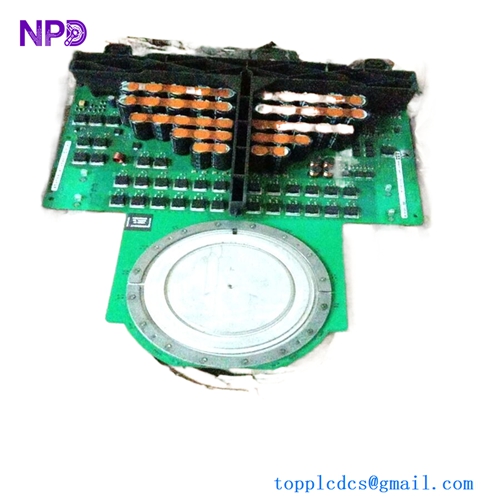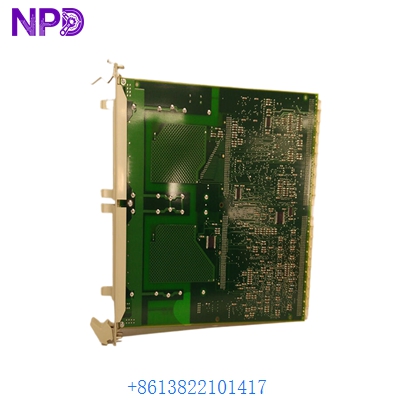
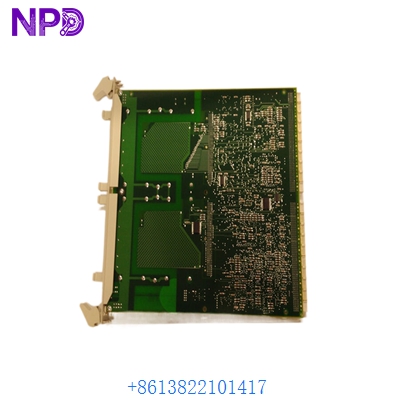
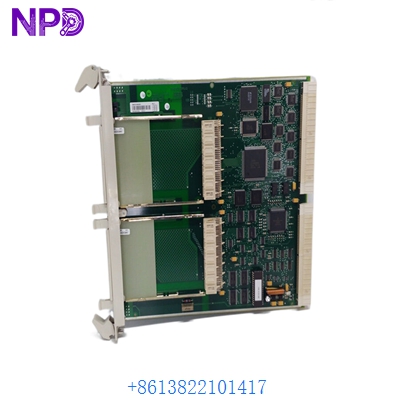

Description
- Model/Type Designation: ABB SC510
- Product ID/Part Number: 3BSE003832R1
- Brand: ABB (Asea Brown Boveri)
- System Control Architecture: S800 I/O / Advant OCS / Master Piece Systems
- Core Function: Specialized communication interface module used primarily for legacy fieldbus and I/O cluster connectivity. It provides the protocol bridge between the process controller and specialized peripheral I/O segments, ensuring deterministic data exchange and system-wide synchronization.
- Operating Input Voltage: 24 V DC internal system rail feed
- Communication Protocol: Optimized for S800/Master Piece bus environments
- Transmission Speed: High-speed cyclic data transfer synchronization
- Processing Logic: Onboard intelligent protocol handling and data buffering
- Isolation: Optocoupler isolation between station backplane logic and external fieldbus segments
- Operating Ambient Temperature: -20°C to +55°C continuous cabinet envelope limits
- Storage Temperature Window: -40°C to +85°C structural envelope limits
- Atmospheric Moisture Limits: 5% to 95% relative humidity (RH, non-condensing)
- Mounting Configuration: Designed for direct subrack or DIN rail integration within ABB control cabinets
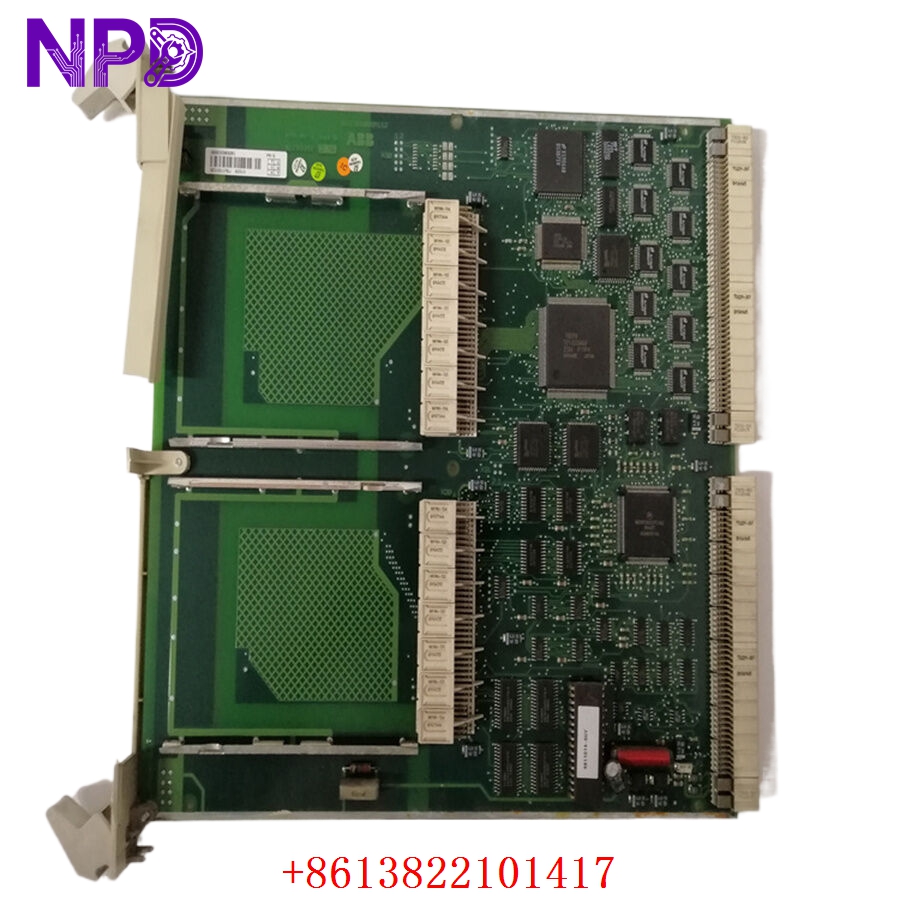
ABB SC510 3BSE003832R1
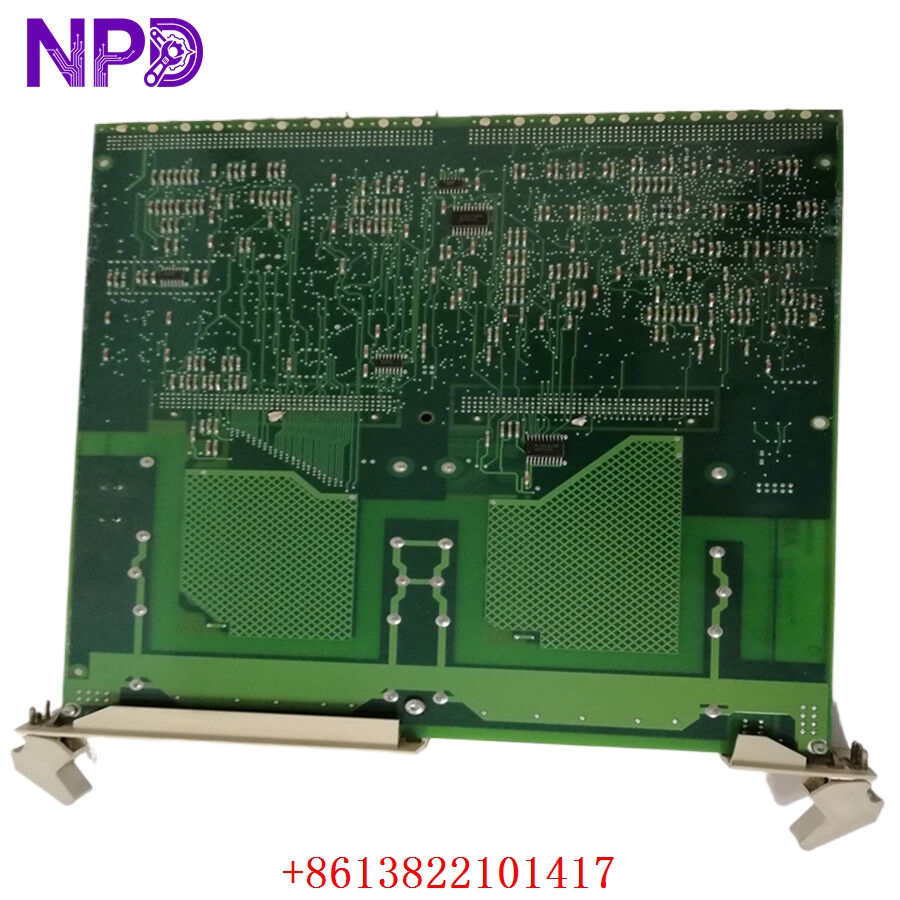
ABB SC510 3BSE003832R1
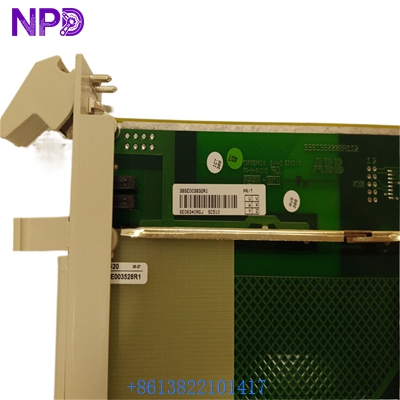
ABB SC510 3BSE003832R1
Installation & Configuration Guide
Pre-Installation Setup
⚠️ CRITICAL SAFETY WARNING:
- Coordinate a comprehensive data mapping bypass window with your site’s safety supervisor. Swapping a communication interface board while the process is live may cause an immediate loss of I/O control for the entire station segment, triggering emergency trips.
- ISOLATION: Open the local 24 V DC power distribution breaker for the target I/O cluster before attempting hardware removal.
- Verify proper cabinet grounding to protect against static-induced component damage.
- Required Tools & Gear:
- Grounded anti-static wrist strap.
- Standard 4.5 mm flathead screwdriver.
- System backup files (Control Builder/AdvaBuild configuration environment).
- Backup Procedures:
- Perform a full system backup of the target station’s configuration database.
- Note the exact physical position of all incoming communication cables and terminal blocks.
Old Module Removal
- Power Down: Ensure the station power is isolated (LOTO).
- Disconnect: Label and disconnect all network cabling and fiber optic links from the faceplate ports.
- Release: Use the screwdriver to release the locking clips on the module housing.
- Withdraw: Slide the module gently forward out of the chassis track.
New Module Mounting and Configuration
- ESD Mitigation: Wear your grounded wrist strap at all times while handling the new SC510 / 3BSE003832R1 module.
- Mounting: Align the board with the chassis rails and slide it smoothly backward until the rear backplane connector engages fully.
- Locking: Ensure the locking tabs click into position, securing the module firmly in the subrack.
- Connections: Reattach the communication lines and power supply plugs, ensuring the connectors are fully seated and secure.
Frequently Asked Questions (FAQ)
Q1: What is the primary role of the SC510 in an S800 network?
A: The SC510 acts as a high-speed communication gateway. It handles protocol translation and cyclic data synchronization, allowing the master controller to communicate reliably with remote I/O clusters and specialized peripheral devices across the fieldbus network.
Q2: Does this board arrive pre-configured?
A: No. The module is provided as brand-new hardware. It contains factory firmware and diagnostic utilities but requires a download of your specific station’s configuration mapping (via Control Builder or AdvaBuild) to define its role within your network architecture.
Q3: How do you verify the functionality of the bus interfaces before shipping?
A: Every unit undergoes a rigorous 24-hour stress test on a dedicated ABB S800/Master Piece test rack, simulating high-traffic fieldbus environments to confirm port stability and data integrity.
Q4: What are the most common failure modes for legacy communication boards?
A: Thermal stress and component aging (specifically filter capacitors and transceiver chips) are the most common factors. Failure indicators often include erratic packet drops, “Node Offline” alarms, or visible/audible warnings from the onboard diagnostic LED array.
Q5: What payment and shipping methods do you offer for emergency shutdowns?
A: We accept international wire transfers (T/T), corporate credit cards, and letters of credit. For unplanned outages, send a copy of your bank’s wire transfer confirmation. We will pull the part from our stock, complete our quality verification testing, and ship via express air (DHL/FedEx) to minimize your facility’s downtime.
Do you have the specific system node configuration file for this module, or would you like assistance with the diagnostic LED interpretation guide for the SC510?