Description
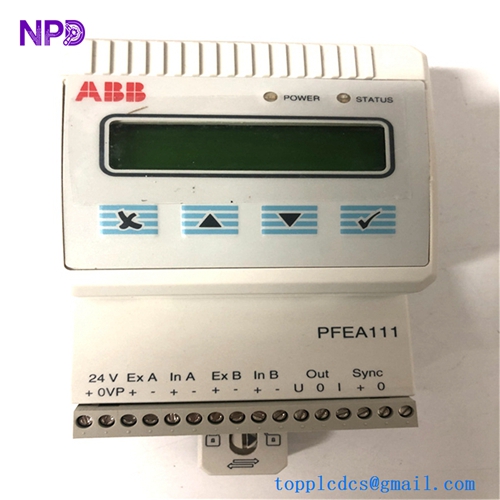
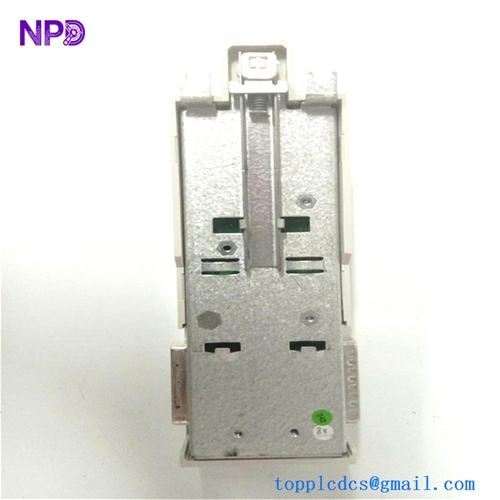
The ABB SC520 3BSE003816R1 is a critical communication interface module designed for ABB’s MasterPiece and Advant OCS distributed control systems. This module serves as a high-performance network controller for the MasterBus 300 (MB 300) fieldbus, acting as the intelligent gateway for controllers and operator stations to exchange real-time process data. It is engineered to provide reliable, high-speed, and deterministic communication, ensuring that time-critical process information—such as setpoints, alarm statuses, and diagnostic logs—is synchronized across the entire plant automation architecture with sub-millisecond precision.
Product Datasheet & Specifications
- Manufacturer: ABB
- Part Number: 3BSE003816R1
- Model Designation: SC520
- Product Type: MasterBus 300 Network Communication Module
- Operating Voltage: 24 V DC (system-bus powered)
- Power Consumption: Approximately 5.0 Watts (nominal)
- Network Topology: Bus-based MasterBus 300 structure
- Data Transfer Rate: High-speed deterministic throughput (up to 10 Mbps)
- Isolation: Integrated galvanic isolation for enhanced signal stability
- Approximate Dimensions: 18.5 cm x 4.2 cm x 12.7 cm
- Approximate Weight: 500 grams (0.50 kg)
- Country of Origin: Sweden / Germany
- Certification Standards: CE, UL Listed, CSA
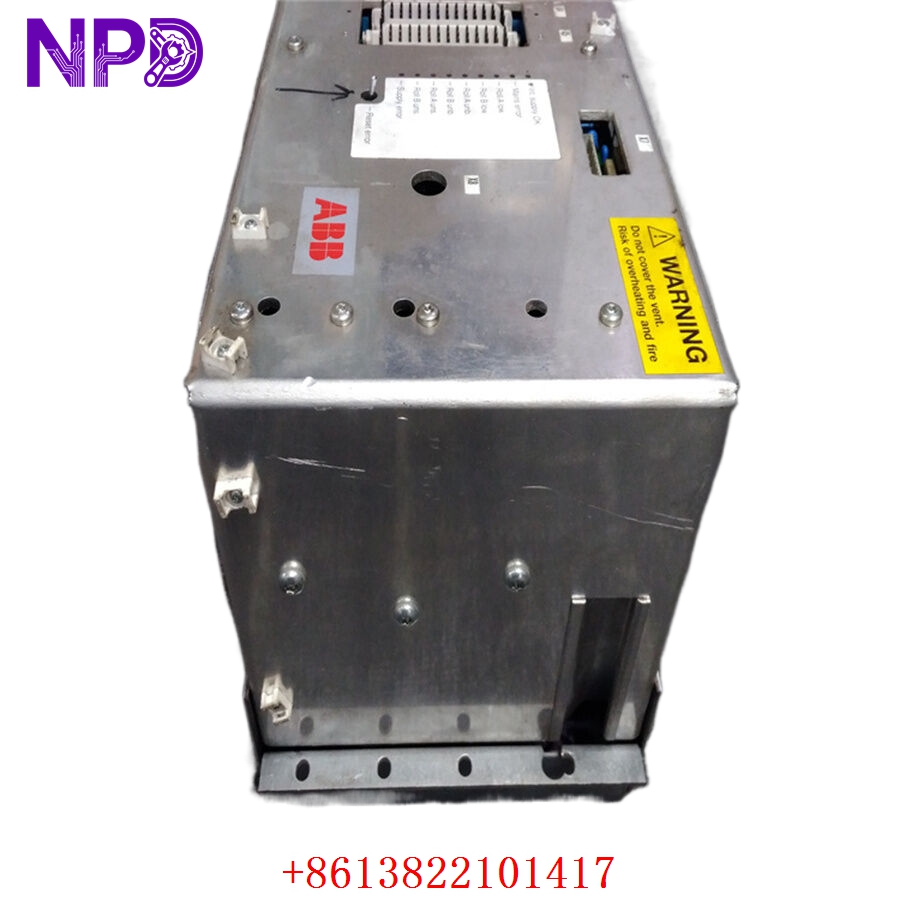
ABB PFSA140 3BSE003816R1
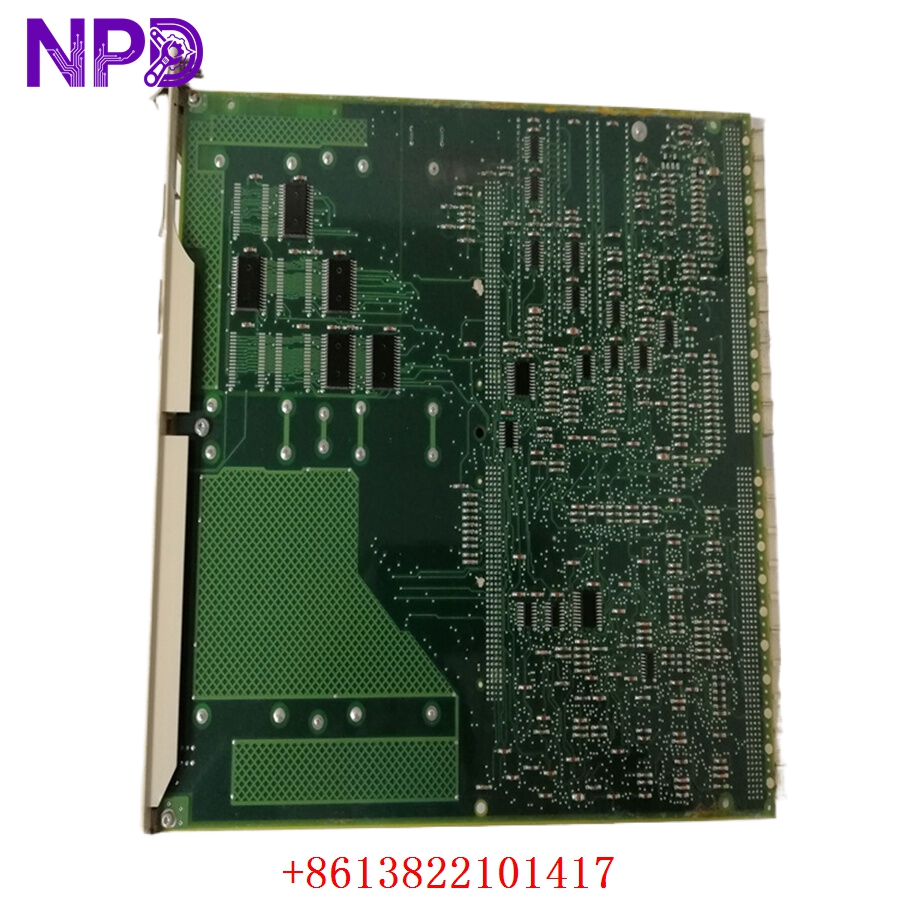
ABB SC520M 3BSE016237R1
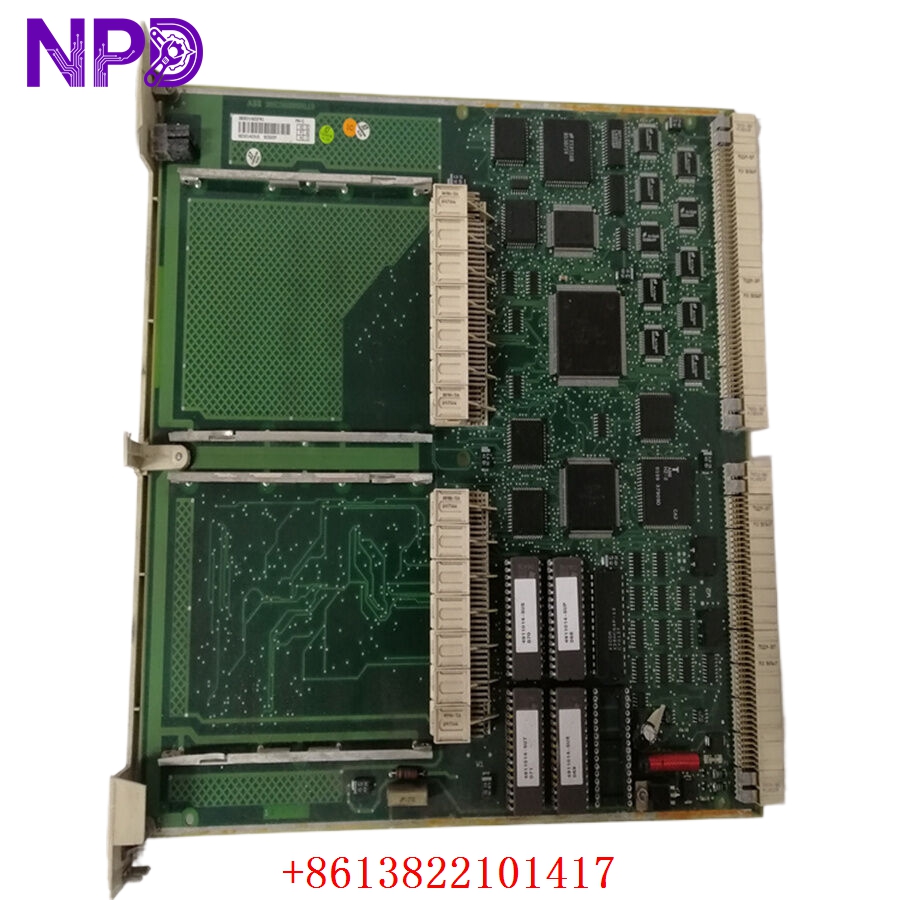
ABB SC520M 3BSE016237R1
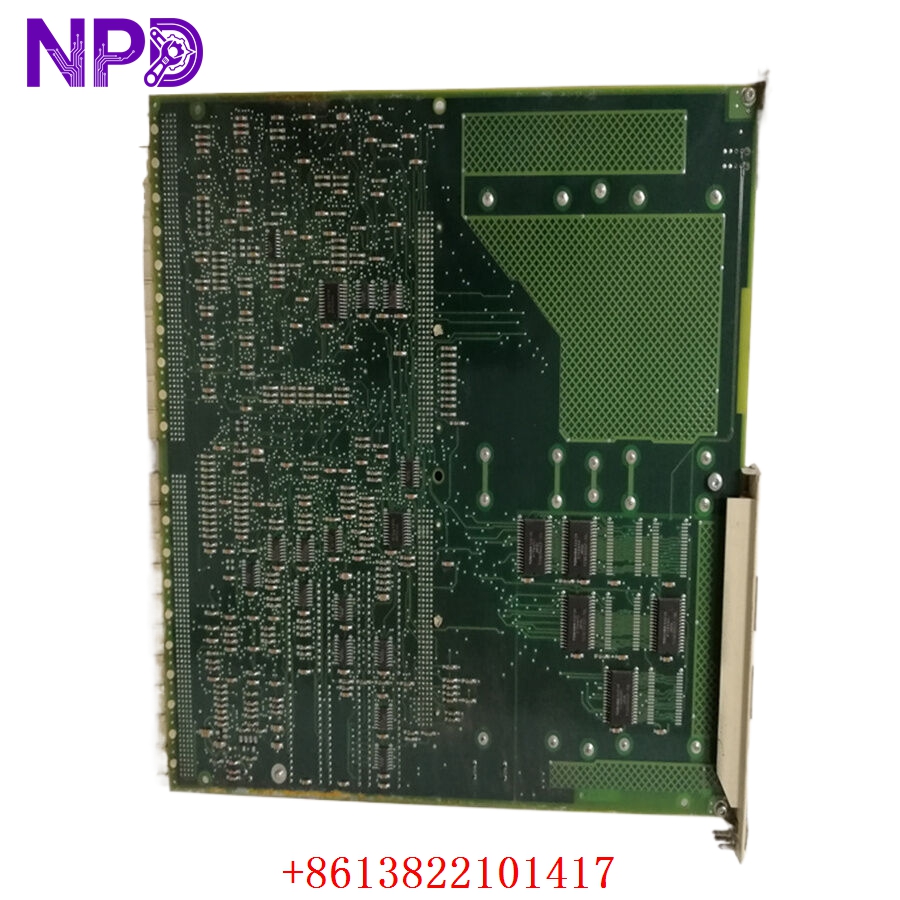
ABB SC520M 3BSE016237R1
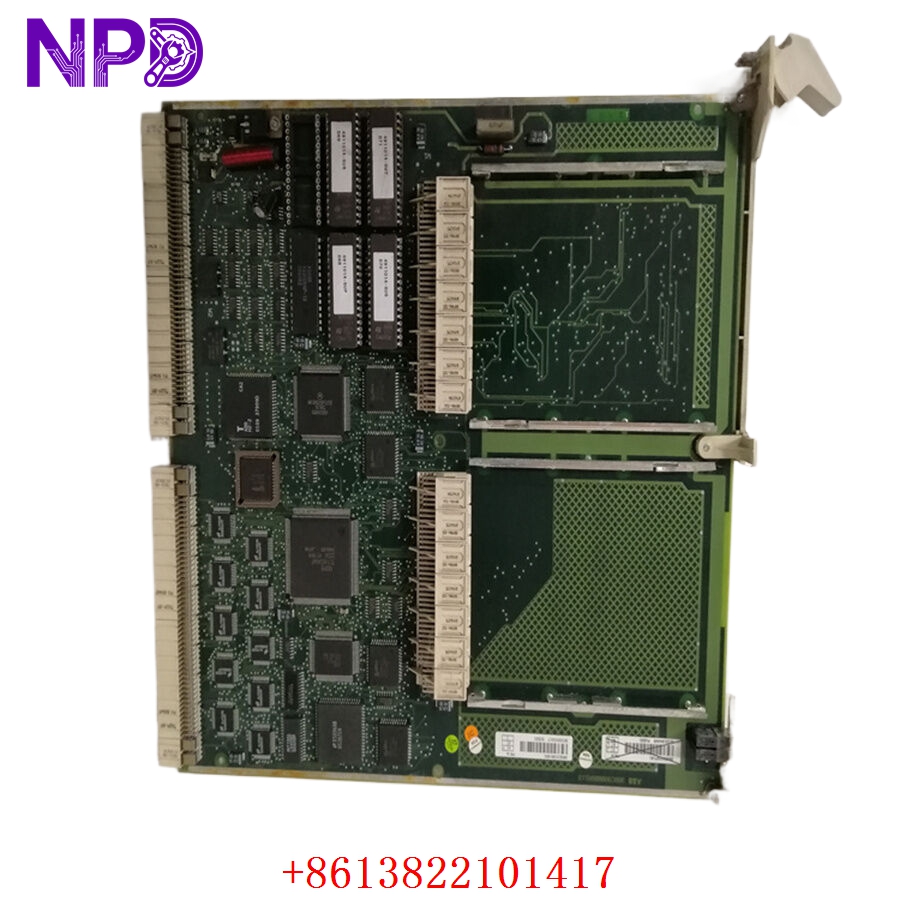
ABB SC520 3BSE003816R1
Key Application Fields
- Power Generation: Manages critical data links between centralized DCS clusters and localized turbine or boiler management subsystems.
- Metallurgical Processing: Synchronizes high-speed drive coordination signals across multi-stage rolling mill gearboxes.
- Petrochemical Refining: Facilitates robust communication across extensive, multi-zone chemical processing areas, isolating noisy industrial environments.
- Pulp and Paper: Integrates field-level telemetry from remote sensors and variable speed drives into the central plant management console.
- Municipal Water Infrastructure: Connects widely distributed pumping and filtration nodes into a cohesive, centralized control environment.
Product Instructions & Guidelines
- Electrostatic Protection: Always use an earth-grounded anti-static wrist strap while handling the module. Sensitive internal CMOS components can be irreparably damaged by standard static discharge.
- Rack Installation: Ensure the controller rack is fully de-energized. Carefully align the SC520 module with the system carrier guides and push inward until the rear DIN backplane connector seats firmly.
- Network Cabling: Connect the MB 300 fieldbus cables to the rear termination block using shielded, twisted-pair cabling. Ensure the cable shields are properly bonded to the chassis earth ground bus to suppress electromagnetic interference (EMI).
- Node Initialization: Assign a unique network node ID via the hardware switches or the engineering configuration software. Avoid addressing conflicts, as these cause severe bus contention and communication timeouts.
- Maintenance and Inspection: Periodically inspect the front-panel status LEDs (“Run” and “Traffic”). Clear dust from ventilation louvers using a non-conductive air duster to prevent long-term thermal degradation of the processing components.
Q&A – Frequently Asked Questions
- Q: What is the primary function of the SC520 in an Advant OCS network?
- A: It functions as the primary network interface, allowing the controller to exchange deterministic peer-to-peer data with other stations on the MB 300 network, maintaining tight process synchronization.
- Q: Is this module hot-swappable in a running MasterPiece rack?
- A: Generally, yes, the SC520 supports hot-swapping. However, always refer to your site-specific DCS maintenance documentation before removal, as some older controller rack configurations may require a controlled isolation process.
- Q: What is the difference between the “Run” and “Traffic” status indicators?
- A: “Run” confirms that the internal microprocessor is successfully executing its firmware and that power is stable. “Traffic” indicates that the module is successfully detecting and processing active data packets on the MB 300 bus.
- Q: How can I debug a persistent communication timeout on this node?
- A: First, verify the physical bus cable integrity and termination resistors. Second, check if another network node has been configured with the same ID, as address duplication is a frequent cause of bus instability.
Recommended Hot Stock Models
- ABB MB510 3BSE002540R1
- ABB CI541V1 3BSE014666R1
- ABB CI855 3BSE018105R1
- ABB CI854A 3BSE018100R1
- ABB PM864AK01
- ABB PM866K01
- ABB DI810 3BSE008508R1
- ABB DO810 3BSE008510R1
- ABB AI810 3BSE008516R1
- ABB AO810V2 3BSE008522R1