
Description
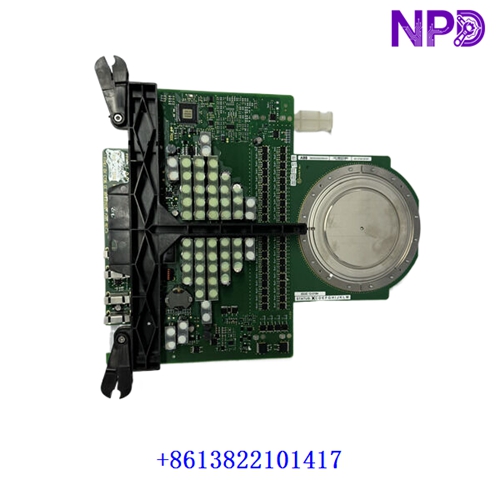
The following parameters outline the technical characteristics, physical dimensions, and operational classifications for this specialized industrial control interface assembly.
- 🏢 Brand: ABB
- 🏷️ Model / Series: SPA 1VCR000882 / V1979/1
- 🔢 Part / Ordering Codes: 1VCR000882 / 1VCR000993G00011VC11
- 📦 Series: MAC R2 / High-Voltage Control and VSC Infrastructure
- ⚙️ Product Name: PCB Card / Interface & Control Module
- 🌍 Country of Origin: Sweden / Switzerland (Global ABB Manufacturing)
- 🔄 Operational Status: Industrial Automation / MRO Spare Grade
- 📏 Dimensions: Standard Modular Circuit Board Form Factor for Racks/Enclosures
- ⚖️ Weight: Approx. 0.5 kg – 0.76 kg
- 🏭 Original Origin: ABB Medium Voltage / Process Automation Division
- ⚡ Power Rating: Low-Voltage Board-Level and Auxiliary Control Compatibility (Supporting 110–130V DC/AC control circuits)
Initial Operation Inspection Checklist
Perform the following verification steps prior to initial board installation and system power-up:
- ✅ Visual Inspection: Examine the printed circuit board (PCB), electronic components, edge connector fingers, and terminal blocks for transit damage or handling defects.
- ✅ Seating Verification: Confirm that the module is securely aligned and properly locked into its designated controller rack slot or enclosure interface.
- ✅ Hardware Compatibility: Verify that the sub-assembly version (V1979/1) matches your specific system rack configuration and voltage requirements.
- ✅ ESD Compliance: Ensure proper grounding procedures and anti-static precautions are strictly maintained throughout handling and insertion.
Routine Maintenance & Servicing
Adherence to scheduled maintenance protocols ensures extended operational longevity and signal reliability:
- ⏱️ Dust and Debris Clearance: Periodically clear accumulated dust from board surfaces and rack ventilation paths using clean, dry, oil-free compressed air.
- ⏱️ Connection Security: Inspect plug-in interface connectors, wiring harnesses, and terminal block fasteners periodically to prevent loosening caused by industrial vibration.
- ⏱️ Diagnostic Status Review: Routinely monitor system diagnostic indicators and error logs via the control system workstation to track module health.
Troubleshooting & Common Faults
Systematic diagnostic procedures for addressing typical operational anomalies and hardware faults:
- 🔍 Signal Transmission/Interface Faults: Check galvanic isolation paths, optical couplers, and communication lines if data or control commands drop between the module and connected hardware.
- 🔍 Hardware Fault Indicators: Monitor onboard diagnostic LED lights immediately upon system alarm triggers to isolate processing or power regulation errors.
- 🔍 Power Supply Instability: Measure internal DC voltage rails to ensure clean power delivery without excessive ripple or voltage sag.
Safety Precautions
Crucial safety rules to protect personnel and prevent catastrophic equipment damage:
- ⚠️ Qualified Technicians Only: Installation, replacement, and servicing must be performed exclusively by certified electrical and automation engineers trained in ABB control systems.
- ⚠️ Power Isolation: Always ensure system power and external control loops are completely isolated before inserting or removing the circuit board from its slot.
- ⚠️ Electrostatic Protection: Store and transport replacement boards inside certified anti-static shielding bags to prevent electrostatic discharge damage.
Frequently Asked Questions (Q&A)
- ❓ Q1: What is the primary function of the SPA 1VCR000882 PCB card?
A1: It acts as a specialized power and control interface module within high-voltage systems (such as ABB’s MAC R2 and VSC configurations), providing signal conditioning, isolation, and reliable communication bridging.
- ❓ Q2: What systems typically utilize the V1979/1 series card?
A2: It is deployed primarily in demanding medium-voltage distribution systems, power automation panels, and industrial control environments requiring robust signal processing.
- ❓ Q3: How should a spare 1VCR000882 module be stored?
A3: It should be kept in its original anti-static packaging within a clean, dry, climate-controlled environment protected from moisture, extreme temperatures, and corrosive gases.