
Description
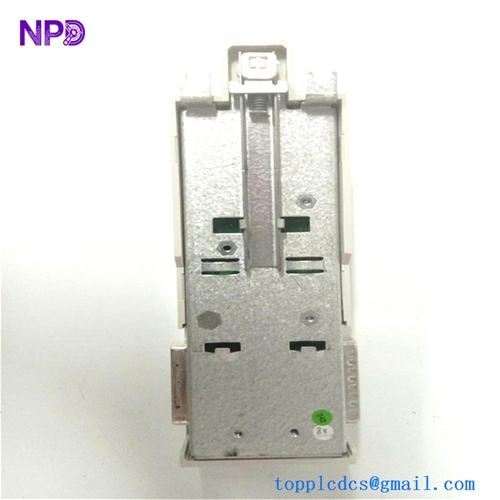
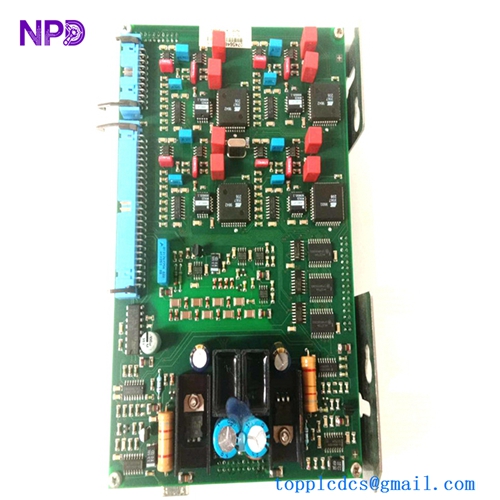
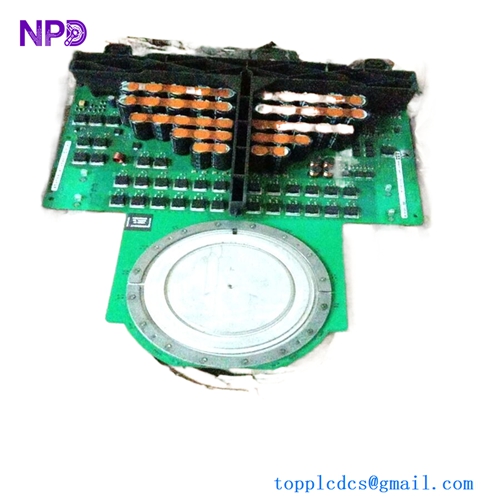
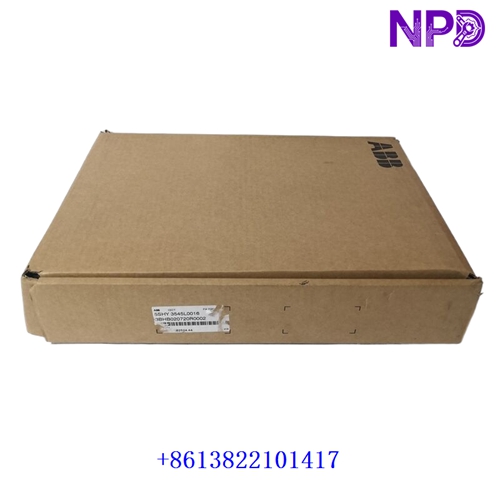
The ABB SPAJ 111 C (including variants like the SPAJ 111 C-CA) is a numerical sensitive earth-fault and neutral overcurrent protection relay belonging to the ABB SPACOM product family. It is engineered primarily for selective earth-fault protection in medium-voltage electrical networks, power distribution feeders, generator interturn protection, capacitor bank unbalance protection, and rotor earth-fault monitoring. Its exceptionally low input impedance allows it to work seamlessly with core-balance current transformers (CBCTs) or residual current connections.
| Parameter | Specification |
| Brand | ABB |
| Model / Variant | SPAJ 111 C / SPAJ 111 C-CA |
| Series | SPACOM Numerical Protection Series |
| Product Name | Sensitive Earth-Fault Relay |
| Place of Origin | Finland |
| Product Status | Mature / Legacy Industrial Support |
| Energizing Inputs | 1 A and 5 A selectable inputs with low burden impedance |
| Protection Stages | Low-set (I_0>) and High-set (I_0>>) neutral overcurrent stages (definite time characteristic) |
| Dimensions | Standard SPACOM flush-mounting case (approx. 142 mm × 183 mm panel cutout) |
| Weight | Approx. 3.0 kg |
| Auxiliary Power Supply | Internal plug-in DC/AC auxiliary power module |

First-Run Inspection Checklist
- ☑ Physical Integrity Check
Inspect the outer relay housing, front-panel HMI keypad, digital LED display elements, and rear-panel terminal blocks for any transit damage, housing cracks, or loose components.
- ☑ Auxiliary Supply & Grounding Verification
Confirm that the incoming auxiliary control voltage matches the relay nameplate requirements using a calibrated meter prior to power-up. Ensure the rear protective earth (PE) terminal is securely tied to the switchgear ground bus.
- ☑ Configuration & CT Match
Verify that the internal low-set and high-set pickup settings, time delays, and core-balance/residual CT ratios match the network protection coordination study before placing the relay into active service.
Routine Maintenance & Servicing
- 🛠 Environmental Monitoring
Ensure that the switchgear compartment climate controls maintain ambient temperatures within standard industrial operating limits (typically -10°C to +55°C) and keep humidity within safe non-condensing ranges.
- 🔌 Terminal & Wiring Inspection
Perform periodic visual and mechanical checks on the current transformer input terminals and control wiring blocks to guarantee tight screw connections and freedom from vibration-induced loosening.
Troubleshooting & Common Issues
- ⚠️ Auxiliary Power Loss or Blank Display
If the unit fails to illuminate or power up, check incoming auxiliary supply fuses, measure terminal voltage levels, and inspect the internal power supply module seating.
- ⚠️ Spurious Earth-Fault Trips
If unexpected trips occur, review the relay’s internal fault logs and event registers via the front digital display, and check external core-balance wiring shields for proper grounding integrity.
Safety Precautions
- 🔐 Electrostatic Discharge (ESD) Protection
Always utilize a properly grounded ESD wrist strap and standard antistatic handling procedures when accessing internal sub-modules to protect sensitive microelectronics.
- ⚠️ Current Transformer (CT) Safety
Never open-circuit the secondary terminals of live current transformers while the primary network is energized. Always short-circuit the CT secondary path before performing any wiring modifications to avoid dangerous high-voltage spikes.
Frequently Asked Questions (Q&A)
- ❓ Q1: What are the typical applications for the ABB SPAJ 111 C relay?
A: It is widely used as a sensitive feeder earth-fault relay, generator interturn fault protection, capacitor bank unbalance protection, and rotor earth-fault protection where high sensitivity to low fault currents is mandatory.
- ❓ Q2: How can relay parameters and recorded fault data be accessed?
A: Settings, measurements, and fault codes can be viewed and configured locally via the front panel pushbuttons and digital display, or remotely through its integrated serial communication interface connected to a fiber-optic bus