Description
- Model: ABB SPBRC410
- Brand: ABB
- Series: Symphony Plus / Harmony Rack / INFI 90 OPEN
- Core Function: Process bridge controller for distributed control systems
- Product Type: Bridge Controller Module (BRC Controller)
- Key Specs: 10/100 Ethernet Modbus TCP Redundant controller support
- Processor Type: Industrial-grade RISC processor
- Memory: 8 MB DRAM + 2 MB NVRAM
- Ethernet Interface: 10/100 Mbps
- Communication Protocols: Modbus TCP, Controlway, HN800
- Serial Ports: 2 × RS-232-C or 1 × RS-232-C + 1 × RS-485
- Diagnostic Interface: Mini-USB service port
- I/O Compatibility: Harmony Rack I/O, SD Series I/O, S800 I/O
- Redundancy Support: One-to-one redundant controller configuration
- Operating Temperature: 0 °C to +70 °C
- Power Consumption: Approximately 10 W controller load
- Mounting Format: Harmony Rack controller module
- Programming Support: Function codes, Batch 90, UDF logic
- Network Integration: Supports peer-to-peer controller communication
- Dimensions: Approx. 101.6 × 254 × 203.2 mm
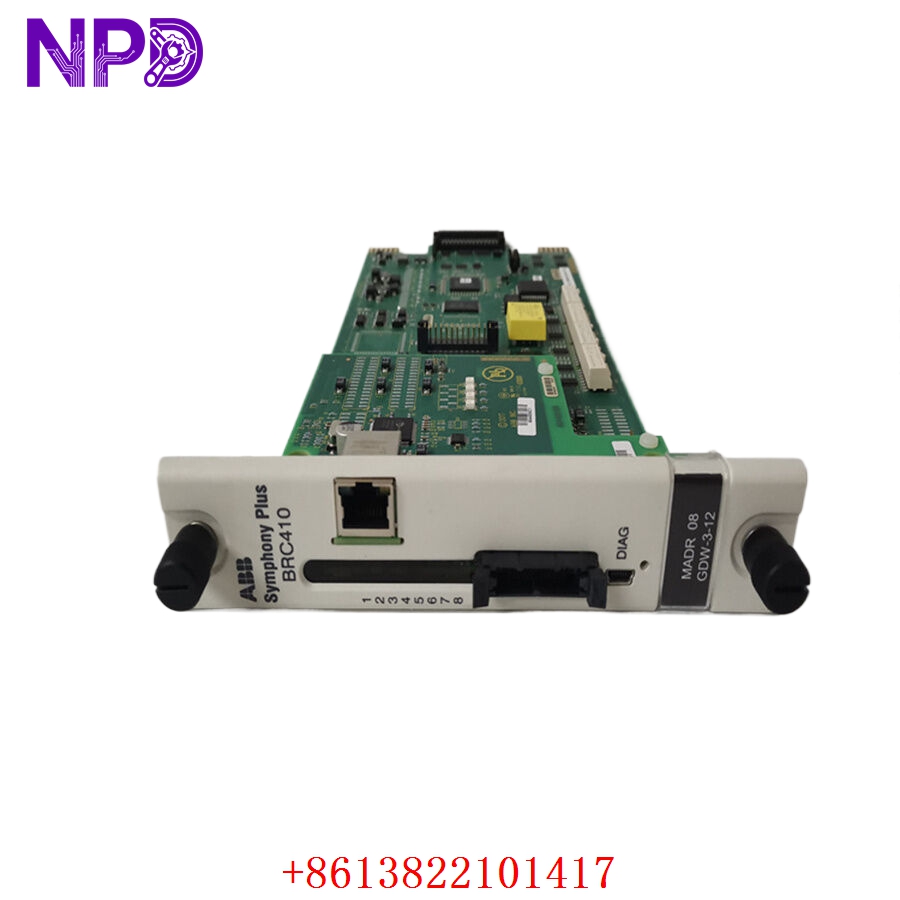
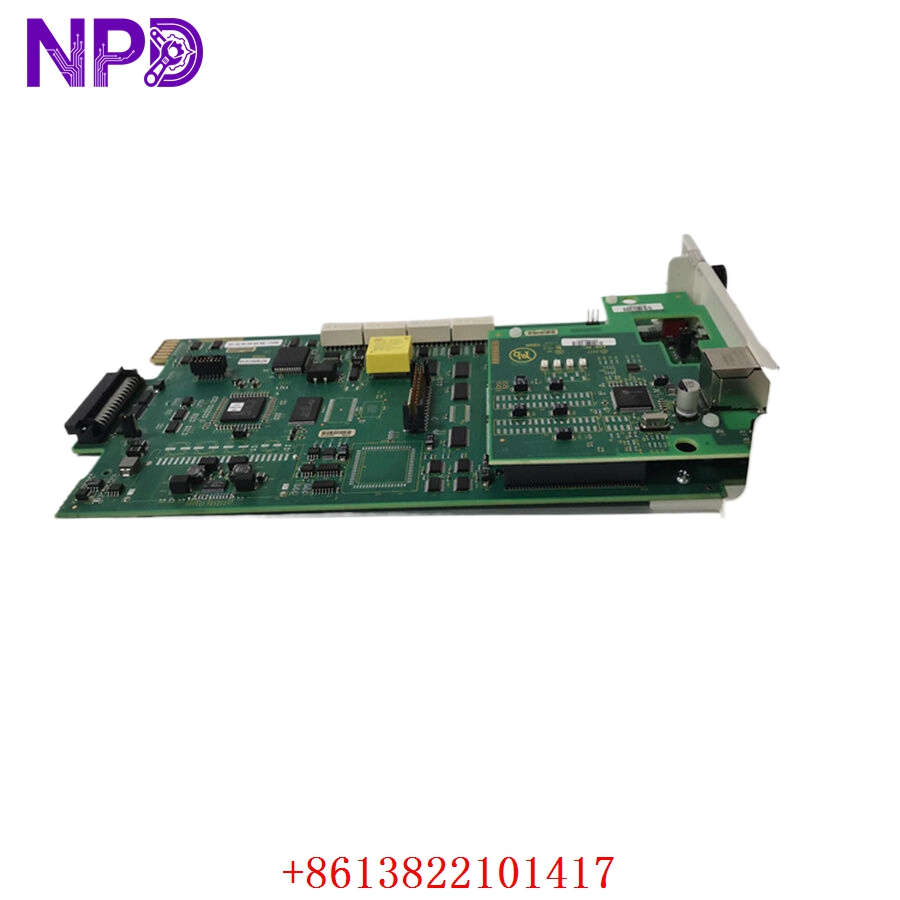
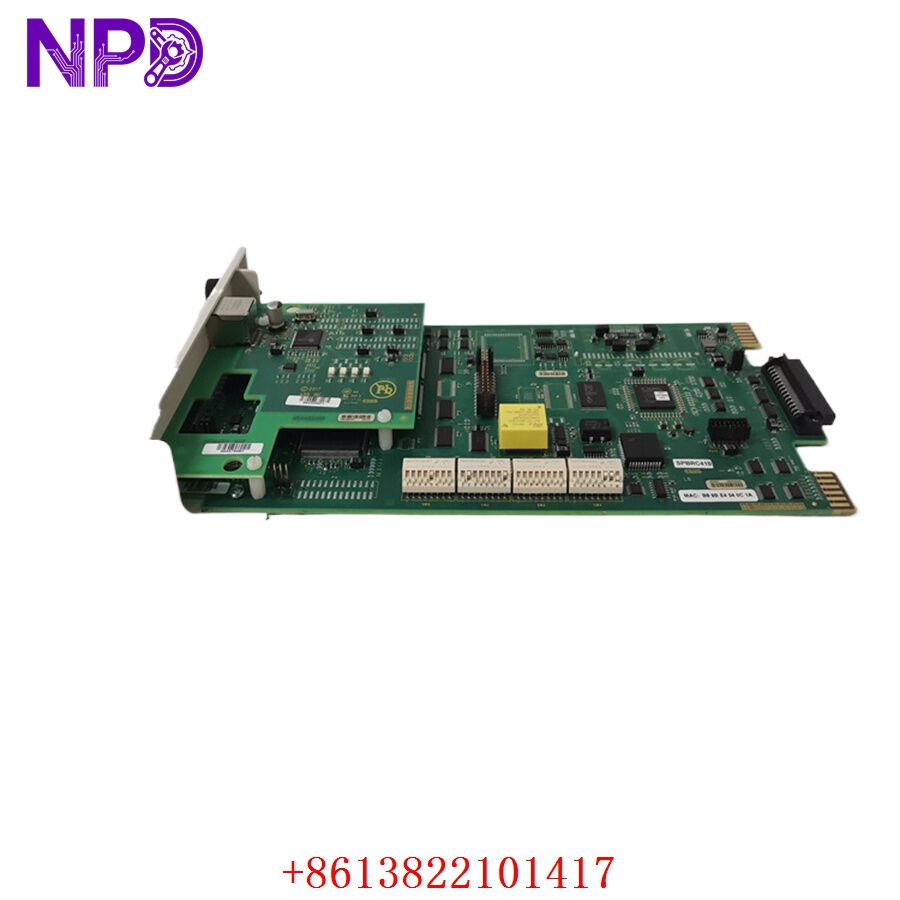
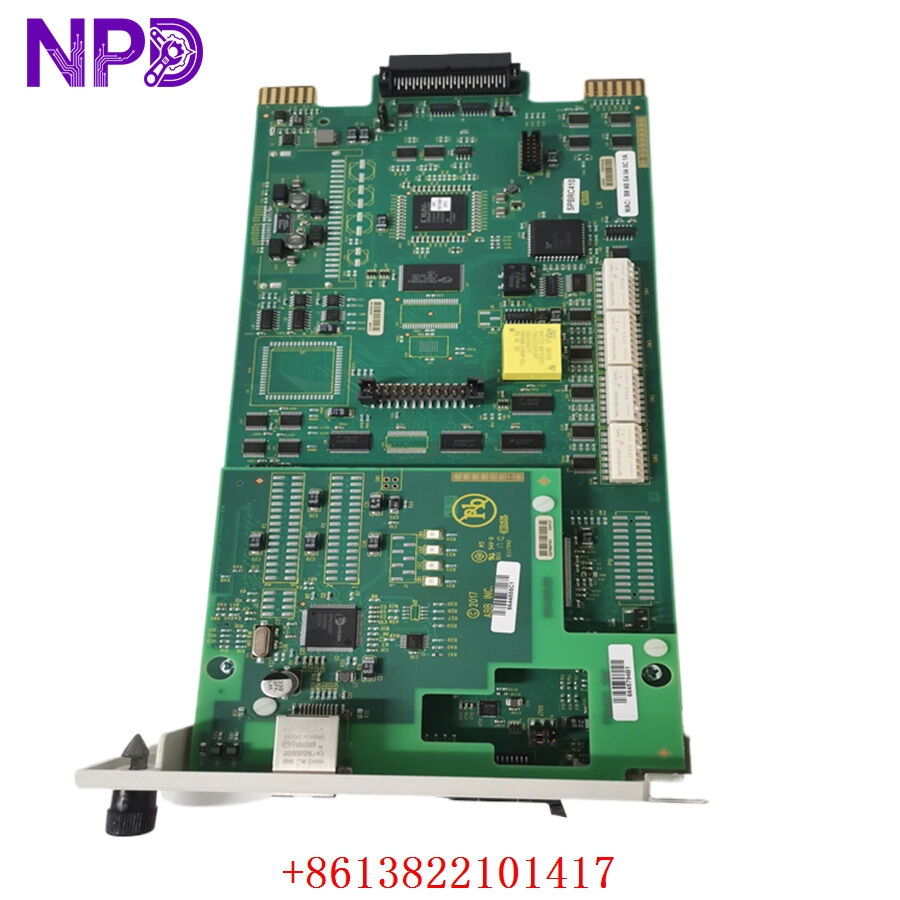
Application Scenarios & Engineering Pain Points
The SPBRC410 usually shows up in plants that have been running for years — power generation, refinery upgrades, paper mills, water treatment facilities. These sites often sit in an awkward transition phase: the original INFI 90 system still works, but newer Ethernet-based devices and SCADA infrastructure need to communicate with it.
That’s where the headaches begin.
Old Bailey or Harmony systems were never designed for modern network expectations. Engineers suddenly need Modbus TCP connectivity, third-party PLC integration, historian communication, and remote engineering access… without shutting down production for a full DCS migration.
The SPBRC410 exists exactly for that problem.
It acts as a bridge controller between legacy ABB control infrastructure and newer Ethernet-based systems. In real projects, it often becomes the “translator” holding multiple generations of automation hardware together.
Typical application scenarios:
- Power Generation – Turbine and Boiler DCS
Used in Symphony Plus systems to integrate legacy INFI 90 I/O with modern operator stations and SCADA networks. - Petrochemical Plants – Process Migration Projects
Allows phased modernization instead of full shutdown replacement of the DCS platform. - Water Treatment Facilities – Remote Monitoring Integration
Connects older process controllers to Ethernet-based telemetry and historian systems. - Pulp & Paper Industry – High Availability Process Control
Maintains communication between Harmony Rack I/O and updated engineering workstations. - Metallurgy – Distributed Furnace Control
Supports redundant process control where downtime costs become extremely expensive.
Real Project Example – “Everything Worked Until the Network Upgrade”
A thermal power plant upgraded its control room network from 100 Mbps managed switches to a newer gigabit infrastructure. After the upgrade, operators started seeing intermittent controller communication alarms between the historian and several process nodes.
At first everyone blamed the switches.
Then they blamed the firewall.
Then the SCADA software.
The actual issue came from an aging SPBRC410 with unstable Ethernet negotiation behavior under heavier network traffic.
Symptoms included:
- Random Modbus TCP disconnects
- Delayed trend updates
- Peer-to-peer communication timeouts
- Intermittent engineering station access loss
The difficult part? The controller still passed basic diagnostics.
We eventually isolated the controller on a mirrored switch port and captured retransmission storms during communication bursts.
Replacing the SPBRC410 stabilized the network immediately.
That project taught the maintenance team something important:
Legacy DCS hardware may “work,” but communication loads today are very different from what these systems handled 15 years ago.
Compatible Replacement Models
✅ Direct Replacement (Recommended)
- ABB SPBRC410
- Same hardware platform
- Same Harmony Rack architecture
- No cabinet rewiring required
- Recommended for shutdown-critical replacements
- ABB BRC410 Revision Variants
- Compatible within most Symphony Plus environments
- Verify firmware revision before installation
- Confirm redundancy pairing compatibility
⚠️ Software Compatible (Engineering Review Required)
- ABB SPC810 Controllers
- Similar process control role
- Better Ethernet handling capability
- Requires project migration review
- Logic recompilation may be necessary
- Symphony Plus Migration Platforms
- Improved cybersecurity and communication performance
- Requires Control Builder migration planning
- Usually involves partial engineering database conversion
❌ Hardware Modification Required
- ABB AC800M Controllers
- Different architecture entirely
- Different I/O communication structure
- Requires new controller cabinet arrangement
- Engineering effort can exceed several weeks
- Third-Party PLC Platforms
- No direct Harmony Rack compatibility
- Requires gateway redesign
- Existing function code logic cannot migrate directly
My honest field recommendation?
If the plant still relies heavily on Harmony Rack I/O, keeping spare SPBRC410 units is usually cheaper than forcing a rushed platform migration during an outage.
Troubleshooting Quick Reference
| Fault Symptom | Possible Cause | SPBRC410 Relevance | Quick Check Method | Recommended Action |
|---|---|---|---|---|
| Controller not reachable | Ethernet negotiation fault | ✅ High | Check switch link/activity LEDs | Replace or isolate controller |
| Modbus TCP intermittent | Firmware/network instability | ✅ High | Packet capture with mirrored port | Verify firmware revision |
| Controller RUN LED red | Internal diagnostic failure | ✅ High | Read diagnostic buffer | Replace module |
| I/O update delays | Expander bus overload | ⚠️ Medium | Check bus utilization | Reduce communication load |
| Redundant switchover failure | Sync communication fault | ✅ High | Force failover test | Verify redundancy cabling |
| Random peer-to-peer timeout | Backplane or network issue | ⚠️ Medium | Check Controlway status | Inspect rack connectors |
| Engineering station disconnects | Ethernet packet retransmission | ✅ High | Ping latency and switch logs | Replace aging module |
| System freezes during startup | NVRAM corruption | ✅ High | Cold restart and diagnostics | Reload configuration or replace |
Common Integration Pitfalls
❗ Firmware revision mismatch is the biggest trap with SPBRC410 systems.
I’ve personally seen projects where:
- Primary controller firmware was Rev B
- Backup controller was Rev D
- Redundancy synchronization failed randomly for weeks
Nobody noticed because both controllers powered up normally.
Then one day during failover testing… the backup refused to assume control.