
Description
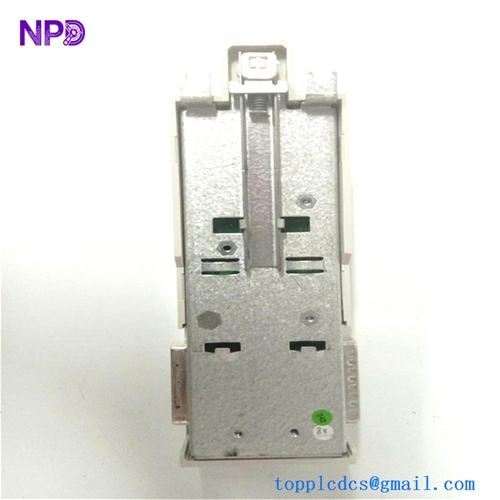
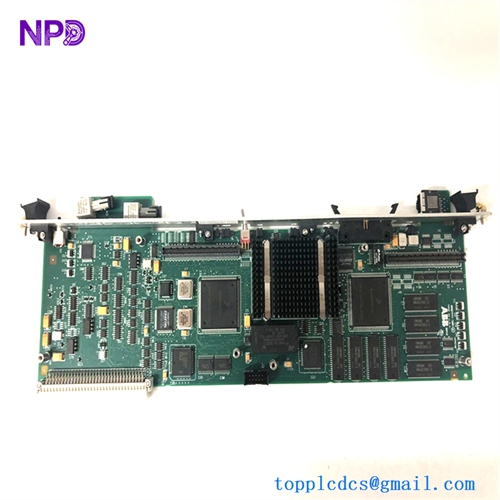
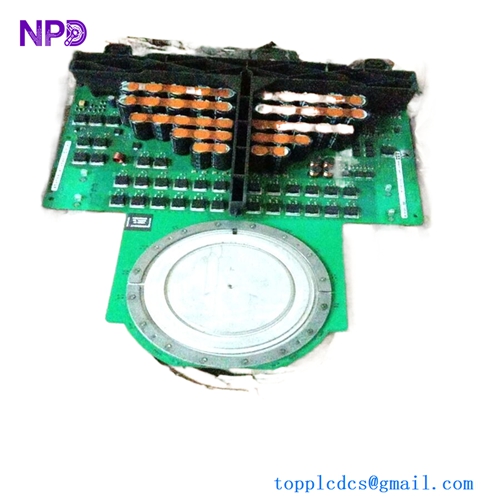
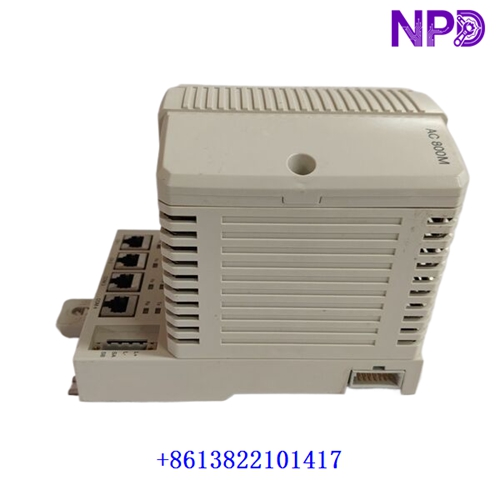
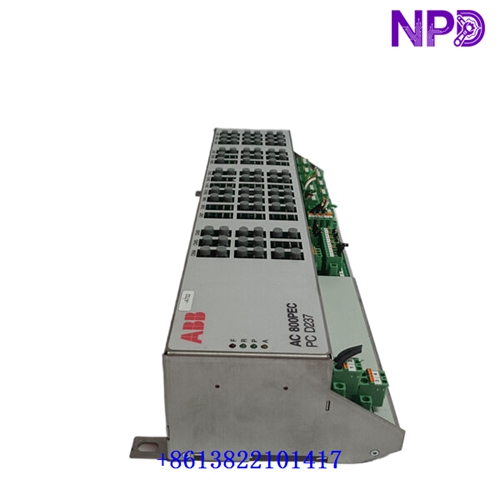
The ABB SYN5302A-Z, V217 (Part Number: 3BHB006716R0217) is an advanced fifth-generation synchronization module from the ABB SYNCHROTACT 5 series. It is engineered for automatic and manual synchronization of generators with power transmission networks, as well as for the paralleling of synchronous lines. Featuring a redundant automatic dual-channel configuration housed within a single chassis (incorporating two SYN5202 dual-channel units connected in series), it provides exceptional safety, reliability, and continuous operation for critical power generation and transmission infrastructures.
Product Datasheet
| Parameter | Specification |
| Brand | ABB |
| Model | SYN5302A-Z, V217 |
| Series | SYNCHROTACT 5 (SYN5302 Redundant Series) |
| Product Name | Redundant Automatic Dual-Channel Synchronizing Unit |
| Place of Production | Switzerland |
| Operational Status | Active / Industrial Standard Production |
| Dimensions | Standard Industrial Rack Chassis Enclosure |
| Weight | Approximately 3.5 kg to 5.0 kg (Configuration Dependent) |
| Origin | European Union / Switzerland |
| Power / Frequency Rating | Nominal Frequency Range: 50 Hz, 60 Hz, and 16.7 Hz |
Initial Operation Checklist
✓ Verify that the module chassis is securely installed, properly grounded, and aligned in the designated power control cabinet slot.
✓ Inspect all incoming voltage transformer (VT), measurement, and control wiring terminals to ensure tight and reliable connections.
✓ Confirm that network frequency and input voltage configurations match the designated operational parameters (50 Hz, 60 Hz, or 16.7 Hz) before startup.
✓ Check fieldbus communication links (such as LON, Modbus, or Profibus) and remote TCP/IP diagnostic connections.
✓ Monitor front-panel diagnostic indicators and power-up status LEDs to verify proper internal dual-processor initialization and hardware health.
Routine Maintenance
⚙ Periodically inspect module terminal blocks and physical fastening hardware to prevent loosening caused by environmental vibration.
⚙ Clean cabinet ventilation paths and cooling filters regularly to ensure smooth airflow and prevent internal thermal stress.
⚙ Verify synchronization parameter sets and check system diagnostic logs using remote servicing tools or engineering software.
⚙ Check shield grounding continuity on all analog measurement and communication lines to maintain high immunity against electromagnetic interference (EMI).
⚙ Review redundancy switchover readiness to ensure seamless transition capabilities between the internal dual-channel microprocessor paths.
Troubleshooting & Common Issues
⚡ Synchronization Failure Alarms: Check voltage, phase angle, and slip frequency matching parameters against network thresholds before issuing breaker closure commands.
⚡ Communication Timeouts on Fieldbus/LON: Inspect physical cable integrity, network termination resistors, and node address settings.
⚡ Channel Redundancy Switchover Event: If a channel fault occurs, verify internal diagnostic registers to isolate whether automatic switching to the secondary series unit was triggered successfully.
Safety Precautions
⚠ Always isolate, lock out, and tag out high-voltage potential circuits (such as VT inputs and circuit breaker control lines) before performing any physical service work.
⚠ Adhere strictly to electrostatic discharge (ESD) protection policies, including wearing grounded wrist straps when handling module internal electronics.
⚠ Ensure proper configuration of circuit breaker actuation parameters to prevent out-of-phase synchronization hazards during grid connection.
⚠ Comply strictly with local electrical safety regulations, IEC protection standards, and manufacturer operation guidelines.
Frequently Asked Questions (Q&A)
Q: What is the main architectural feature of the SYN5302A-Z system?
A: It features a redundant dual-channel architecture consisting of two microprocessor systems with independent software structures, ensuring that if one path encounters an issue, the system can transition safely without interrupting overall protection.
Q: How many circuit breakers can this unit manage?
A: A single unit can handle synchronization requirements for up to 7 different power circuit breakers with diverse configuration profiles.
Q: Does the unit support remote monitoring and diagnostics?
A: Yes, it supports remote servicing via TCP/IP and internet interfaces, along with remote control capabilities through industrial fieldbus protocols like Modbus, Profibus, and LON.