Description
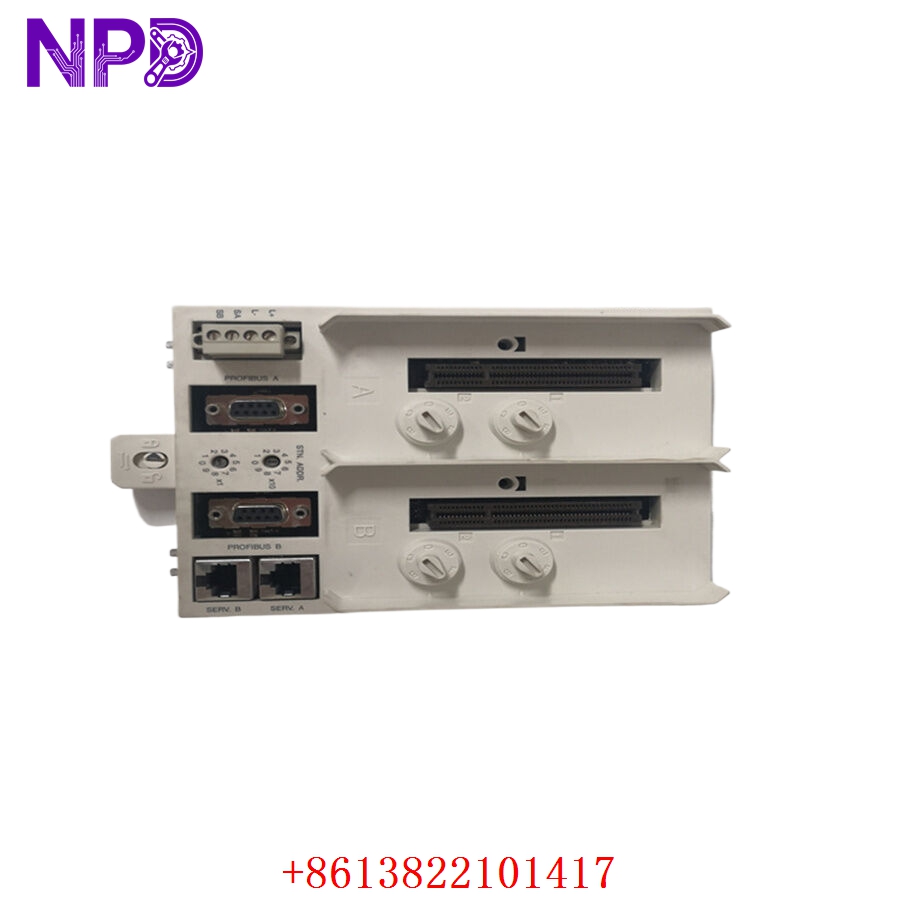
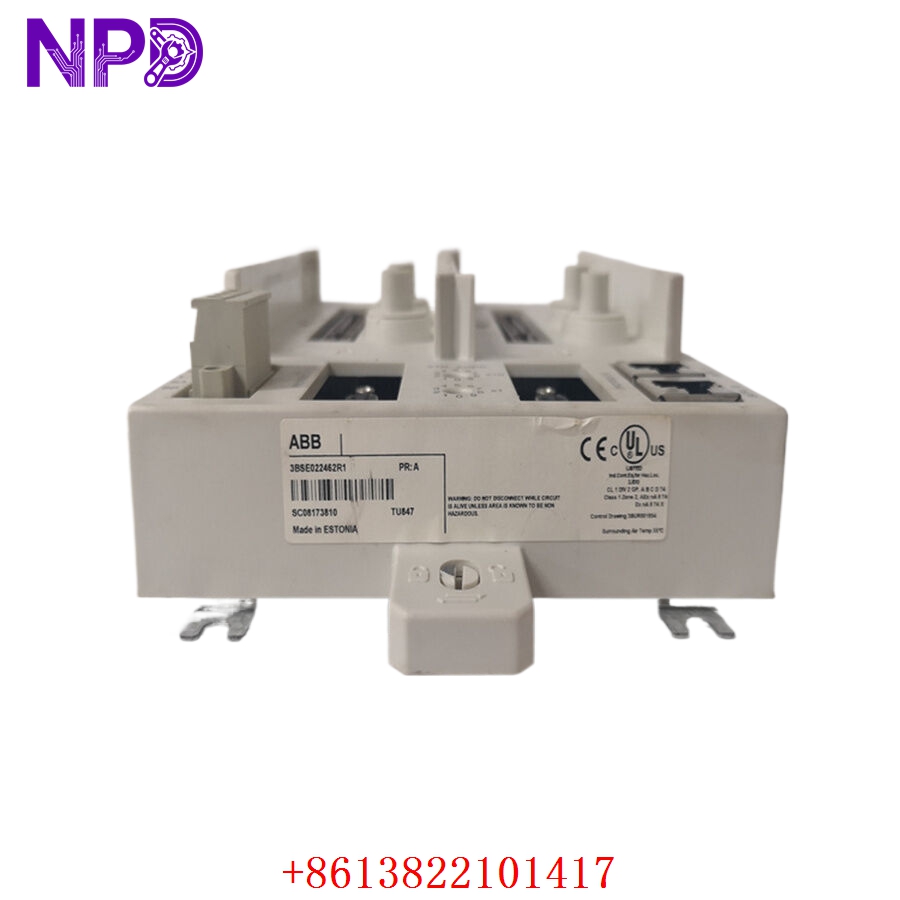
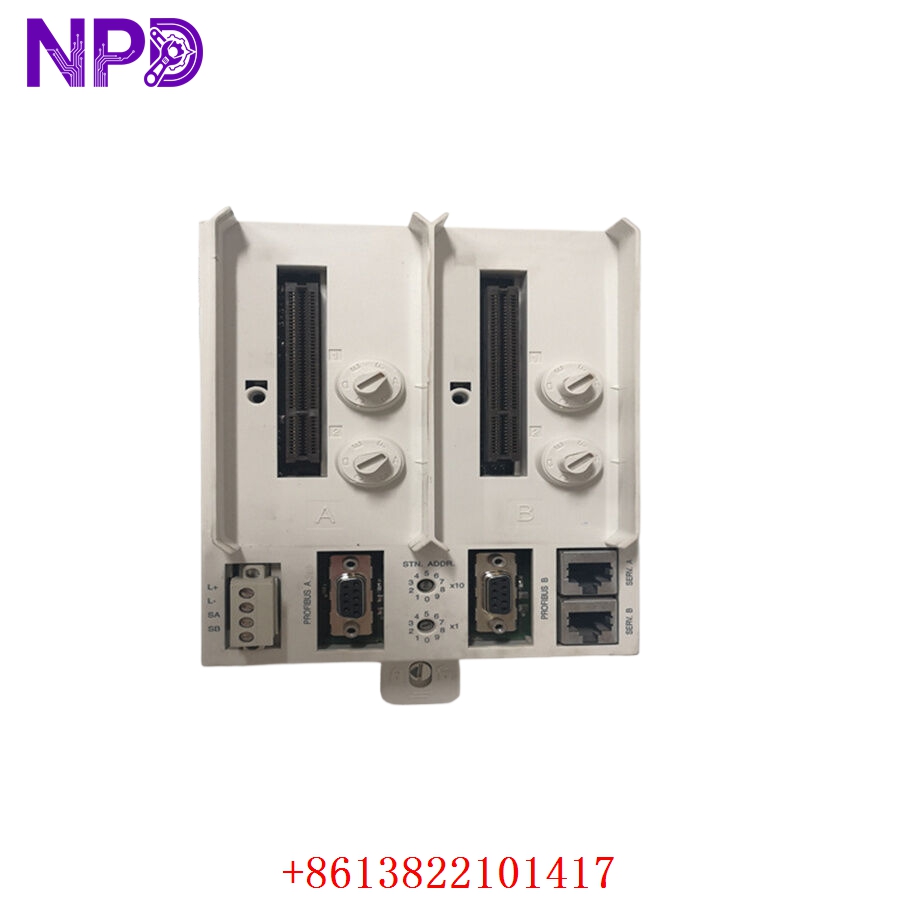
The ABB TU847 (Part Number 3BSE022462R1) is a high-performance Module Termination Unit (MTU) specifically designed for use with the ABB Ability™ System 800xA distributed control system. It provides the physical infrastructure to mount I/O modules and serves as the interface for field signal wiring, ensuring robust connectivity between process field instruments and the controller backplane.
Technical Specifications
| Parameter | Detail |
| Model | TU847 |
| Part Number | 3BSE022462R1 |
| Manufacturer | ABB |
| Device Type | Module Termination Unit (MTU) |
| Compatibility | ABB S800 I/O Modules |
| Mounting | DIN Rail |
| Wiring | Screw terminals for field I/O connections |
| Environmental | IP20 rating |
Fields of Application
The TU847 is a core component in large-scale industrial automation, commonly found in:
- Power Generation: Managing I/O termination for turbine and boiler control systems.
- Oil & Gas: Providing reliable signal paths in process control and safety systems.
- Water & Wastewater: Integrating various sensors and actuators into centralized control units.
- Chemical Processing: Supporting high-density I/O configurations for reaction monitoring.
Product Introduction
The TU847 functions as the backbone for the S800 I/O series. Unlike standard terminal blocks, the MTU is engineered to handle both the electrical power distribution and the signal communication bus between the I/O module and the system’s fieldbus. Its modular design allows for “hot-swapping” of I/O modules, meaning you can replace or upgrade an I/O module without disconnecting the field wiring, which significantly reduces downtime during maintenance.
Product Use Instructions
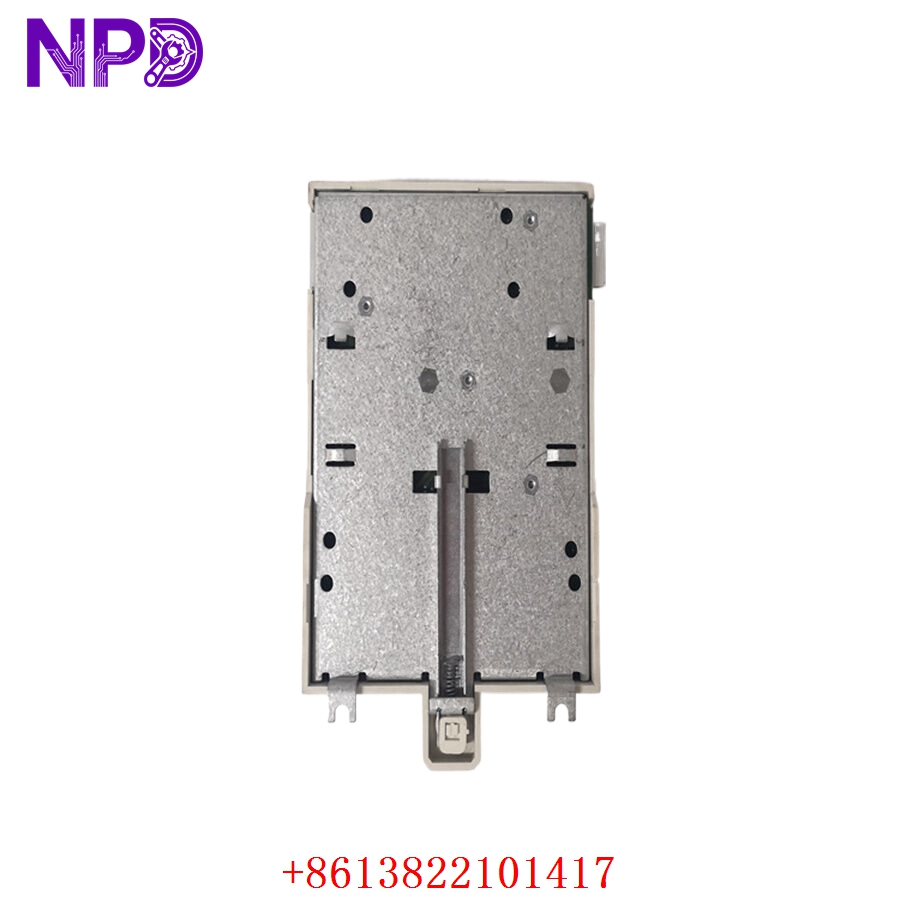
- Mounting: Secure the TU847 onto a standard DIN rail. Ensure the locking mechanism is engaged for a stable fit.
- Field Wiring: Connect your field sensor or actuator cables to the corresponding screw terminals on the TU847.
- Module Installation: Align the compatible S800 I/O module with the TU847 guide rails and press firmly until it locks into place.
- Power & Communication: Ensure the system’s module bus (I/O bus) cable is securely connected to the MTU to establish communication with the controller.
- Validation: Check terminal connections for tightness and verify signals via the 800xA System Engineering software.
Product Use Precautions
- Torque Limits: Do not over-tighten the terminal screws, as this can strip the threads or damage the internal conductive paths.
- Environment: Ensure the cabinet is free of conductive dust and excessive moisture, as these can bridge terminals and cause signal errors or short circuits.
- Handling: Avoid touching the exposed copper pins or internal bus contacts, as they are sensitive to static electricity.
- Compatibility: Always verify that the specific S800 I/O module you are installing is compatible with the TU847 base, as using an incompatible combination can cause hardware faults.
Frequently Asked Questions (Q&A)
Q: Is the TU847 capable of redundant power configurations?
A: The TU847 is part of a modular system that supports various power configurations depending on the connected I/O module and the system’s power supply setup. Check the module-specific documentation for power distribution details.
Q: Can I replace the TU847 while the system is powered?
A: No, the TU847 is a passive termination unit with hard-wired field connections. Replacing the unit requires disconnecting all field wiring and de-energizing the associated segment of the I/O rack.
Q: How do I troubleshoot a signal loss on a terminal?
A: First, inspect the terminal for loose wires or signs of corrosion. Next, use a multimeter to measure the voltage/current at the screw terminal to determine if the signal is reaching the MTU from the field device.
Product Operation Methods
The TU847 operates as a static signal distribution layer. Once field wires are connected and the I/O module is seated, the MTU routes these signals directly to the module’s processing circuits. It serves as a passive bridge, requiring no configuration or software management. Maintenance primarily involves ensuring the physical connections remain secure and free from environmental degradation over the long term.