
Description
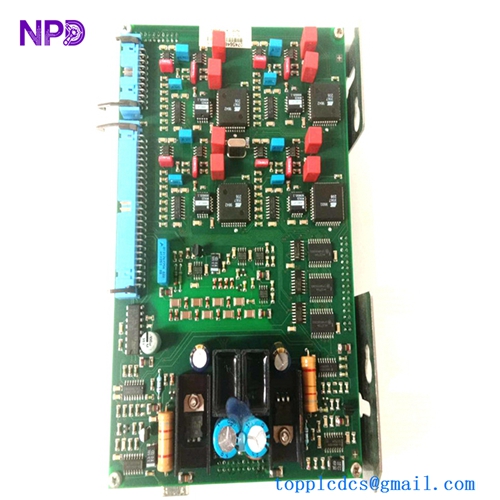
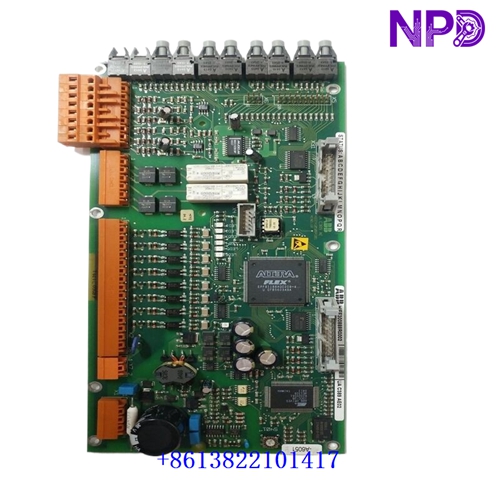
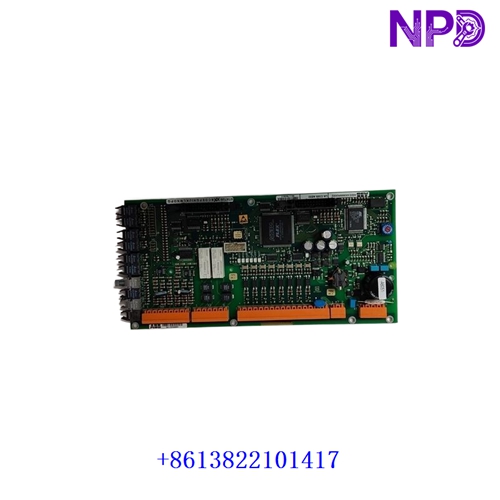
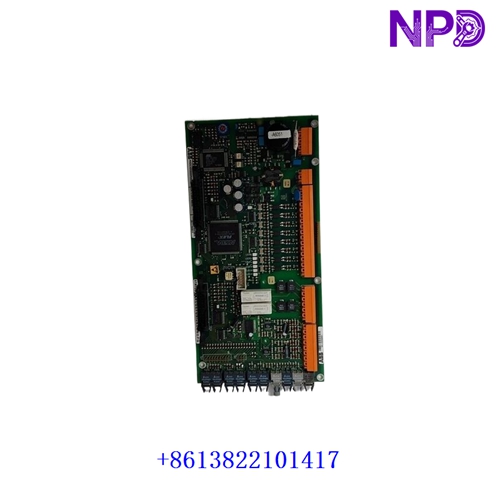
The following parameters outline the core technical specifications and physical characteristics of the high-performance ABB pulse amplifier and interface circuit board, designed for industrial drive and control system architectures.
- 1. Brand: ABB
- 2. Model: UAC389AE02 (Part Number / Ordering Code: HIEE300888R0002)
- 3. Series: Advant OCS / Industrial Drive Component Line
- 4. Product Name: Pulse Amplifier Interface (PAI) Module / Control PC Board
- 5. Place of Origin: Sweden / USA
- 6. Physical Status: Factory New / Industrial Spare Part
- 7. Dimensions: Standard modular printed circuit board format (Compact profile enclosure)
- 8. Weight: Approx. 0.55 kg
- 9. Original Region: European / North American Industrial Manufacturing Hubs
- 10. Power Rating: Low-voltage internal logic bus-powered control interface (24V DC system compliant)
Initial Operation Checklist
- 🔹 Inspect the anti-static packaging and physical board layout for any transit-induced damage or component stress prior to unboxing.
- 🔹 Verify that part numbers
UAC389AE02andHIEE300888R0002match system equipment manuals and replacement requisition lists exactly. - 🔹 Ensure system cabinet power supplies are completely disconnected and locked out/tagged out before handling internal electronics.
- 🔹 Check edge connector pins, optical links, and terminal interfaces for cleanliness, secure seating, and absence of oxidation.
- 🔹 Confirm proper grounding continuity between the subrack housing and the main cabinet ground bus.
Daily Maintenance & Servicing
- 🔸 Monitor operating ambient temperatures continuously, ensuring environment conditions remain within recommended industrial limits (-20^\circC \le T \le +60^\circC).
- 🔸 Inspect board status LED indicators regularly for normal logic communication, pulse processing health, and operational readiness.
- 🔸 Keep cabinet ventilation filters clean and airflow paths unblocked to prevent localized thermal stress.
- 🔸 Perform periodic visual checks on plug-in connectors and wiring harnesses to ensure tight mechanical seating under continuous plant vibration.
Troubleshooting & Common Issues
- 🔻 Symptom: Board fails to initialize or status indicators remain unlit.
Action: Check backplane power supply rails using a calibrated multimeter and verify that the module is firmly seated in its designated rack slot.
- 🔻 Symptom: Intermittent pulse signal transmission errors or erratic tachometer/encoder feedback.
Action: Inspect signal wiring and shielding for electromagnetic interference (EMI), check terminal connections, and verify signal conditioning parameters.
- 🔻 Symptom: Internal hardware or watchdog error triggered during process execution.
Action: Perform a controlled system reboot, verify configuration parameters, and cross-reference error logs with technical documentation.
Safety Precautions
- ⚠️ Only certified automation and electrical technicians familiar with industrial drive systems and high-precision electronics should perform board replacement and testing.
- ⚠️ Observe strict electrostatic discharge (ESD) prevention protocols, including the mandatory use of grounded wrist straps when touching sensitive circuit paths.
- ⚠️ Never insert or remove electronic circuit boards from an active, energized rack to prevent electrical arcing, data corruption, or component destruction.
Frequently Asked Questions (Q&A)
- Q1: What is the primary function of the ABB UAC389AE02 board?
A1: It serves as a Pulse Amplifier Interface (PAI) module designed to amplify and process low-level pulse signals from speed/position feedback devices (such as encoders or tachometers) for precise motor regulation.
- Q2: Which control ecosystem utilizes this module?
A2: It is typically integrated within ABB’s Advant OCS and high-performance industrial drive and converter systems.
- Q3: What immediate action should be taken if feedback signals become unstable?
A3: Check signal cable shielding and ground integrity, inspect terminal pin seating, and verify that the power supply rails to the module are stable.