
Description
The following parameters outline the technical characteristics, physical dimensions, and operational classifications for this high-performance industrial excitation control interface assembly.
- 🏢 Brand: ABB
- 🏷️ Model: UFC760BE142 / 3BHE004573R0142
- 📦 Series: UNITROL / Excitation Control System Hardware
- ⚙️ Product Name: Excitation Interface Board / Control Board
- 🌍 Country of Origin: Sweden / Switzerland (Global ABB Manufacturing)
- 🔄 Operational Status: Active Production / Industrial Automation Grade
- 📏 Dimensions: Standard Modular Electronic Circuit Board Form Factor
- ⚖️ Weight: Optimized Industrial Electronic Module Class
- 🏭 Original Origin: ABB Power Generation & Excitation Systems Division
- ⚡ Power Rating: Low-Voltage Board-Level Control Power Compatibility
Initial Operation Inspection Checklist
Perform the following verification steps prior to initial board installation and system power-up:
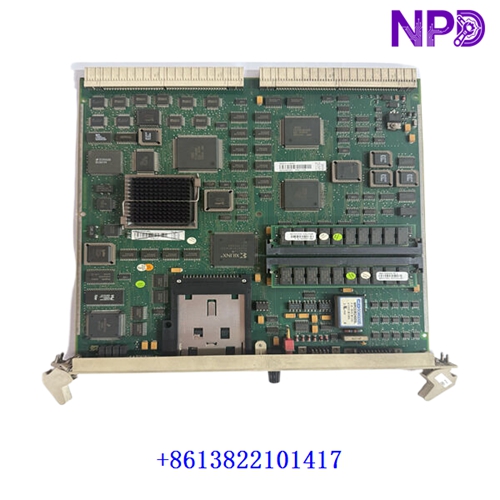
- ✅ Visual Inspection: Examine the printed circuit board (PCB), electronic components, edge connector pins, and optical links for any transit damage or handling defects.
- ✅ Seating Verification: Confirm that the board is securely aligned and properly locked into its designated controller rack or chassis slot.
- ✅ Cabling & Fiber Links: Verify that internal wiring harnesses and optical fiber communication cables are securely connected to their respective interface ports.
- ✅ ESD Compliance: Ensure proper grounding procedures and anti-static precautions are maintained throughout handling and insertion.
Routine Maintenance & Servicing
Adherence to scheduled maintenance protocols ensures extended operational longevity and reliable excitation management:
- ⏱️ Dust and Debris Clearance: Periodically clear accumulated dust from board surfaces and rack ventilation paths using clean, dry, oil-free compressed air.
- ⏱️ Connection Security: Inspect plug-in interface connectors and terminal block fastenings periodically to ensure no loosening occurs due to industrial vibration.
- ⏱️ Diagnostic Status Review: Routinely monitor system diagnostic indicators, excitation parameters, and error logs via the engineering workstation to track module health.
Troubleshooting & Common Faults
Systematic diagnostic procedures for addressing typical operational anomalies and hardware faults:
- 🔍 Communication / Fiber Timeouts: Inspect optical patch cables, transceivers, and interface links for dust or physical damage if data exchange drops between control nodes.
- 🔍 Hardware Fault Indicators: Monitor front-panel diagnostic LED lights on the board or rack immediately upon system alarm triggers to isolate processing errors.
- 🔍 Power Supply Instability: Measure internal DC control voltage rails to ensure clean and stable power delivery without excessive ripple or voltage sag.
Safety Precautions
Crucial safety rules to protect personnel and prevent catastrophic equipment damage:
- ⚠️ Qualified Technicians Only: Installation, replacement, and servicing must be performed exclusively by certified electrical and automation engineers trained in ABB excitation systems.
- ⚠️ Power Isolation: Always ensure system power and excitation circuits are completely isolated before inserting or removing the circuit board from its rack.
- ⚠️ Electrostatic Protection: Store and transport replacement boards inside certified anti-static shielding bags to prevent electrostatic discharge damage.
Frequently Asked Questions (Q&A)
- ❓ Q1: What is the primary function of the UFC760BE142 board?
A1: The UFC760BE142 functions as an interface board within ABB excitation systems, handling critical signal processing, gate firing control, and data communication for generator excitation.
- ❓ Q2: Which product families utilize this interface board?
A2: It is deployed across ABB’s robust UNITROL excitation control architectures designed for synchronous generators and power plants.
- ❓ Q3: How should a spare UFC760BE142 board be stored?
A3: It should be kept in its original anti-static packaging inside a clean, dry, climate-controlled environment protected from humidity, dust, and corrosive industrial atmospheres.