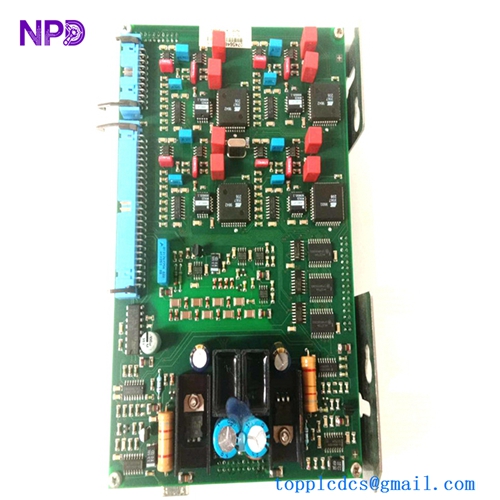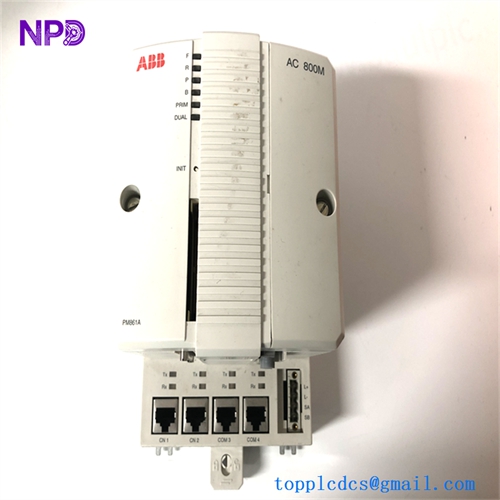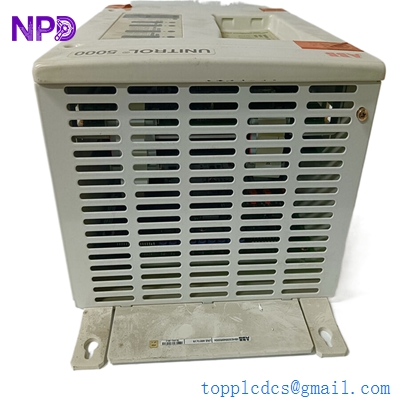

Description
- Model: ABB UNS4881b,V4 (3BHE009949R0004)
- Brand: ABB (Switzerland)
- Series: UNITROL 6000 / AC 800PEC High-End Excitation
- Core Function: Combined measurement, communication, and firing pulse interface for large power converters
- Product Type: Interface & Measurement Module
- Key Specs: V4 Hardware revision, integrated voltage/current measurement, fiber optic isolation
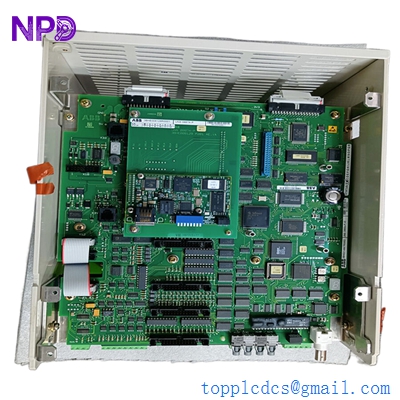
ABB UNS4881b,V4 3BHE009949R0004
Key Technical Specifications
- Part Number: 3BHE009949R0004
- Hardware Revision: V4 (Improved EMI shielding and signal stability)
- Inputs: High-precision analog measurement channels (U/I detection)
- Outputs: Pulse firing signals for thyristor/IGBT bridges
- Communication: Multiple fiber optic (AF 100 or proprietary) ports for galvanic isolation
- Logic Integration: Works in conjunction with PPC902/PPC905 main controllers
- Mounting: Designed for integration within UNITROL 6000 power cabinets
- Isolation: High-voltage isolation between power electronics and control logic
- LED Diagnostics: On-board status indicators for power, communication, and error states
- Compliance: Optimized for heavy industrial EMC environments
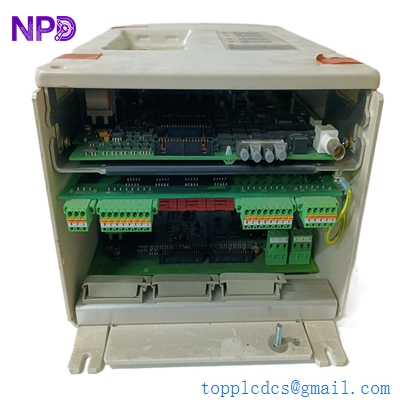
ABB UNS4881b,V4 3BHE009949R0004
Installation & Configuration Guide
Phase 1: Pre-Installation (Estimated time: 20 minutes) ⚠️ Safety First:
- This module is often directly linked to high-power thyristor bridges. Ensure the DC link is discharged and the main AC breaker is racked out and locked.
- Rev Check: Verify that the “V4” suffix matches your system. While newer revisions are often backward compatible, always check the compatibility matrix in the UNITROL manual.
- Clean all fiber optic cable ends with a dedicated cleaner. Dust is the #1 cause of “Communication Lost” errors on these boards.
Phase 2: Removal (Estimated time: 10 minutes)
- Label Fibers: Clearly mark each fiber optic strand (e.g., TX1, RX1). Swapping these during installation will prevent the module from ever reaching a “Ready” state.
- Terminal Blocks: Carefully unplug the phoenix-style terminal blocks. Do not pull on the wires themselves.
- Mounting Screws: Remove the screws holding the module to the sub-plate. Keep these in a safe container as they are often specialized metric sizes.
Phase 3: Installation (Estimated time: 20 minutes)
- Mounting: Secure the new UNS4881b-V4 into the cabinet. Ensure the frame has a solid metal-to-metal connection for grounding.
- Wiring: Re-insert the terminal blocks. Verify that no stray copper strands are touching the frame.
- Fiber Connection: Remove the protective caps and click the fiber optic cables into place. You should hear a distinct “click” when the LC/ST connector seats.
Phase 4: Power-On & Testing (Estimated time: 40 minutes)
- Apply control power (24V DC) before applying any high-voltage power.
- LED Watch: The “Ready” LED should blink and then go solid green. If the “Error” LED flashes, use the AC 800PEC tool to check the diagnostic buffer.
- Calibration Check: If this module is used for voltage measurement, you may need to verify the scaling factors in the software to ensure the feedback matches the actual DC bus voltage.
- Firing Test: Perform a “Pulse Test” (if supported by your firmware) to ensure the thyristor gates are receiving the correct trigger signals without actually applying high voltage.
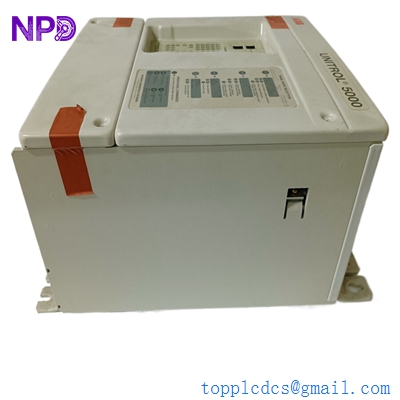
ABB UNS4881b,V4 3BHE009949R0004
Customer Cases & Industry Applications
Case 1: Large Hydro-Turbine Controller Failure A major hydroelectric dam in South America experienced a “Firing Pulse Error” on their main excitation bridge. The fault was traced to a degraded UNS4881b module. Because the part is critical for power conversion, the turbine had to be taken offline. We supplied a New Surplus 3BHE009949R0004 via international express. The unit arrived in 72 hours, and the plant was back at full capacity within 4 days of the initial failure.
Case 2: Steel Mill Rectifier Modernization A steel production facility was experiencing “noise” in their current measurement loops, leading to unstable arc furnace control. They decided to replace their older V2 modules with our New Surplus V4 hardware (UNS4881b,V4). The improved shielding and updated signal processing of the V4 revision immediately stabilized the control loop, reducing electrode wear and improving overall efficiency.
Frequently Asked Questions (FAQ)
Q: Can I use the V4 revision if my old board was a V2 or V3? A: In my experience, ABB designed the V4 to be the superior replacement for all earlier versions of the UNS4881b. It fits the same footprint and uses the same connectors. However, ensure your PPC controller firmware is relatively modern to support the improved diagnostics of the V4.
Q: Does this module require a software “Download”? A: The UNS4881b acts more as an interface/peripheral. The primary logic lives in the PPC902/AC 800PEC controller. However, you may need to “Confirm Hardware Change” in the engineering software so the system recognizes the new module serial number and revision.
Q: What is the most common failure point for these modules? A: To be honest, it’s usually the fiber optic transceivers or the internal capacitor bank used for the firing pulses. Because these boards live in cabinets with high-power electronics, they are subject to significant heat. Our New Surplus stock avoids this “thermal aging” entirely.
Q: Why does my board show a “Communication Error” even with new fibers? A: Check the bend radius of your fiber optic cables. If the fiber is bent too sharply (less than 30mm radius), the light signal attenuates, and the UNS4881b will lose its link to the main processor.
Q: Is “New Surplus” the same as “Refurbished”? A: Absolutely not. Refurbished boards have been repaired after a failure. Our New Surplus units are original ABB factory parts that were purchased for projects but never installed. They are “Clean” boards with zero runtime hours.
I’m always open to corrections if I get something wrong; the best way to handle that is to just tell me what I missed or what I need to know! You can also always turn off the use of this personal context in your settings.