
Description
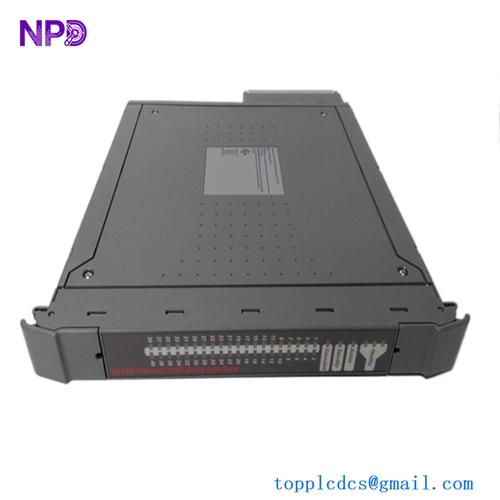
The Allen-Bradley 1771-0AN (Revision D01, Part No. 95689701) is a discrete output module designed for the legacy PLC-5 system. This module is engineered to control AC-powered devices—such as solenoids, motor starters, contactors, and pilot lights—by switching 120/240 VAC lines based on commands received from the PLC processor. It is a workhorse component in aging industrial environments, valued for its ability to handle relatively high-voltage loads directly from the I/O rack.
Product Specifications
📍 Product Series: 1771 I/O System (PLC-5)
⚖️ Weight: 0.65 kg
📏 Dimensions: 315 mm x 175 mm x 30 mm
🌍 Origin: USA
⚡ Output Voltage: 120/240 VAC
🔄 Output Channels: 8 isolated outputs
🛡️ Protection Class: IP20
🌡️ Operating Temp: 0°C to +60°C
🏗️ Mounting: 1771 I/O Chassis (Rack)
🔌 Interface: 1771-WC or 1771-WF wiring arm
Technical Architecture
The 1771-0AN utilizes TRIAC switching to control the AC output. Because AC current naturally crosses zero volts every half-cycle (100–120 times per second), the TRIAC is an ideal electronic switch for this application. The module includes optoisolators to provide high-voltage isolation between the field-side (the 120/240V equipment) and the backplane (the PLC logic).
Recommended Components and Services
🔍 1771-0AN-R: Factory-refurbished certified unit (highly recommended for maintaining legacy lines).
🔍 1771-WC: Wiring arm required to connect field devices to the module.
🔍 1771-A1B/A2B: Standard I/O chassis for mounting the 1771-0AN.
🔍 1771-FCE: Field-side protection fuse kit for 1771-series output modules.
🔍 1771-Series-Diagnostics: Handheld diagnostic tool for testing module outputs without PLC logic.
🔍 PLC-5-Processor-Module: The core controller that orchestrates the 0AN outputs.
🔍 1771-Manual-0AN: Official installation and wiring documentation.
🔍 Board-Level-Repair-Service: Professional repair for replacing blown TRIACs or damaged optoisolators.
🔍 Conformal-Coating-Service: Protection for legacy boards installed in harsh or dusty factory environments.
Maintenance and Diagnostic Tips
- The “Leakage Current” Phenomenon: Because TRIACs are not perfect switches, they allow a small amount of “leakage current” to pass even when the output is OFF. If your pilot lights flicker when they should be off, you may need to add a load resistor in parallel with the device to dissipate this leakage.
- Fuse Protection: This module features internal fusing for each output. If an output fails to energize, check the status LED; if the status is active in the software but the load is inactive, test the module’s output fuse first.
- Connector Oxidation: The 1771-WC wiring arm often suffers from oxidation on the contact pins. If you experience intermittent output behavior, removing and re-seating the wiring arm can often resolve the fault.