
Description
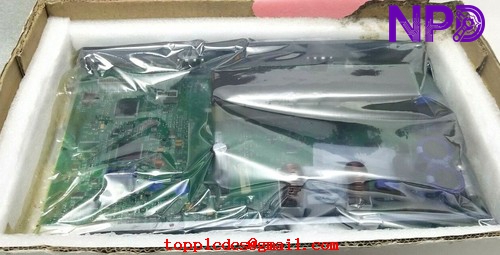
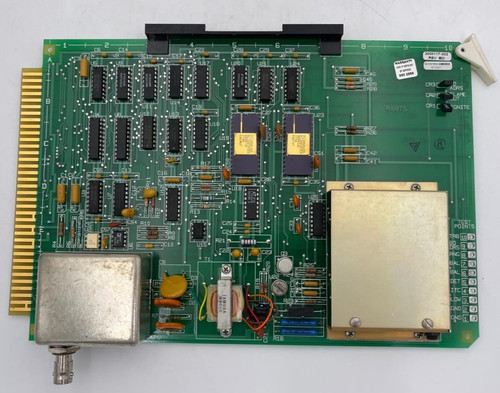
The Applied Automation, Inc. FID Board (Part Number 2000117-001) is a specialized electronic module utilized in gas chromatography systems to amplify and process the low-level electrical signals generated by a Flame Ionization Detector. FID technology is the industry standard for detecting hydrocarbons in gas streams; this board acts as the sensitive “front end” that converts the ionization current from the detector flame into a measurable voltage signal for further analysis by the system’s chromatography software.
Key Technical Specifications
- Primary Function: Electrometer/amplifier board for high-impedance ion current sensing.
- Input Stage: High-gain, low-noise input amplifier designed to detect pico-ampere range currents generated by the burning sample in the FID flame.
- Sensitivity: Optimized for high signal-to-noise ratios, essential for detecting trace levels of hydrocarbons.
- Signal Output: Provides a conditioned analog output that corresponds to the concentration of organic compounds within the carrier gas.
- Calibration Interface: Includes trimmers or software-adjustable offsets to ensure baseline stability and linearity across the detector’s dynamic range.
- Power Requirements: Typically operates on precision-regulated DC voltage rails to minimize electronic drift.
- Shielding: Features specialized trace layouts and shielding to prevent electromagnetic interference (EMI) from affecting the highly sensitive input signals.
- Maintenance: Modular design allows for board-level replacement in industrial process chromatographs.
- Environment: Engineered for stable performance within temperature-controlled GC (Gas Chromatograph) analyzer cabinets.
- Compatibility: Designed for use in Applied Automation (later Siemens) legacy process gas chromatography systems.
Integration and Application
In a typical process chromatograph, the board functions as follows:
- Detection: As organic molecules pass through the hydrogen-air flame of the FID, they ionize.
- Conversion: The collector electrode within the FID picks up these ions, creating a minuscule current.
- Amplification: The 2000117-001 board converts this current into a stable voltage, which is then sent to the central processing unit to be plotted as a chromatographic peak.
Related Applied Automation / Siemens GC Components
Because these systems are often found in critical refining and chemical processing applications, the FID board is commonly supported by the following components:
- FID Collector Electrode: The physical sensor element that gathers ions from the flame.
- Ignitor Assembly: The heating element used to ignite the FID flame upon startup.
- Electrometer Preamplifier: Sometimes used as an external stage before signal reaches the main board.
- Carrier Gas Flow Controller: Ensures the precise flow rates required for consistent flame ionization.
- GC Analyzer CPU: The central module that interprets the signals from this board.
- Heated Zone Controller: Maintains precise temperatures for the column and detector.
- Sample Injection Valve: For introducing the gas sample at exact intervals.
- Power Distribution Module: Provides the clean, regulated power necessary for sensitive electronics.
- Baseline Correction Module: For digital filtering of noise after the initial board amplification.
- Analytical Column: The component that separates gas species before they reach the FID.