
Description
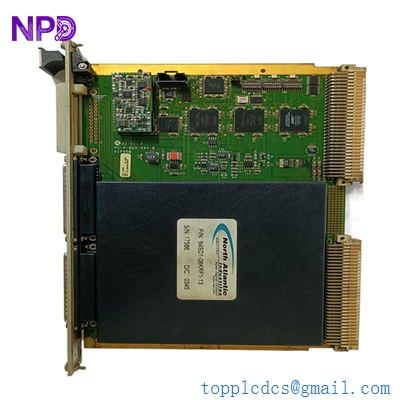
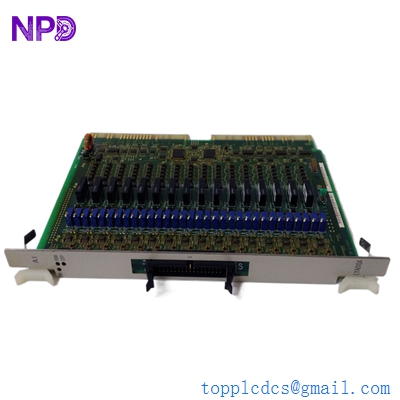
The Autronica BSA-200 (Part Number 7212-385.0009) is a critical Sensor Interface/Signal Processing Card used within Autronica’s marine fire detection and alarm systems (such as the BX-series or older analogue addressable systems). This card acts as the intelligence node for specific detection loops, managing the communication between the central fire alarm control panel and the field-installed sensors (smoke, heat, or flame detectors). It continuously monitors the integrity of the loop, processes incoming sensor signals, and filters out transient electrical noise to prevent false fire alarms in demanding maritime environments.

Key Technical Specifications
| Parameter | Value/Description |
| Part Number | 7212-385.0009 (BSA-200) |
| Series | Autronica Fire Detection Systems |
| Component Type | Loop Interface / Signal Processing PCB |
| Communication | Analogue/Addressable protocol |
| Function | Detection loop monitoring & sensor polling |
| Fault Detection | Open-circuit/short-circuit detection |
| Operating Voltage | 24V DC (nominal system supply) |
| Mounting | Fire Control Panel (FCP) rack/housing |
| Environment | Marine-certified (IACS/MED standards) |
Recommended Related Models
These components are often serviced or replaced alongside the BSA-200 in Autronica fire detection cabinets:
- 7212-385.0010: BSA-200 Variant (Loop expansion)
- 116-BWP-100: Analogue Addressable Smoke Detector
- 116-BWP-101: Analogue Addressable Heat Detector
- 116-BZ-31: Manual Call Point
- 7212-385.0005: BSL-300 (System Logic Board)
- 7212-385.0008: BPI-400 (Power/Interface Module)
- 7212-385.0012: BSK-100 (Relay Interface Card)
- Autronica BX-40: Main Control Panel
- Autronica BW-100: Loop Controller Expansion
- 116-BR-100: Loop isolator module
Important Implementation Note: When replacing the BSA-200 card, it is critical to verify the loop addressing configuration. Since this card manages addressable sensors, replacing it may require a “Loop Re-scan” or “Auto-addressing” command from the main control panel software to ensure all sensors are correctly identified and mapped. Failing to perform this step may lead to a “Loop Communication Fault” or “Invalid Sensor Address” alarm.