Description
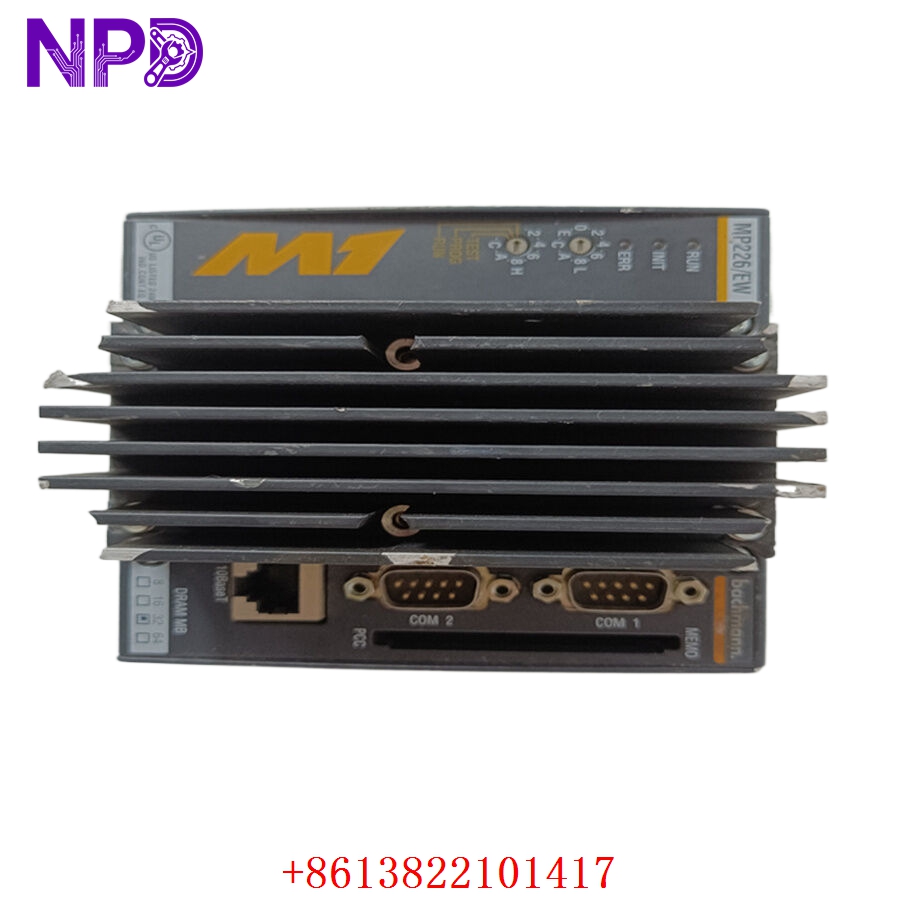
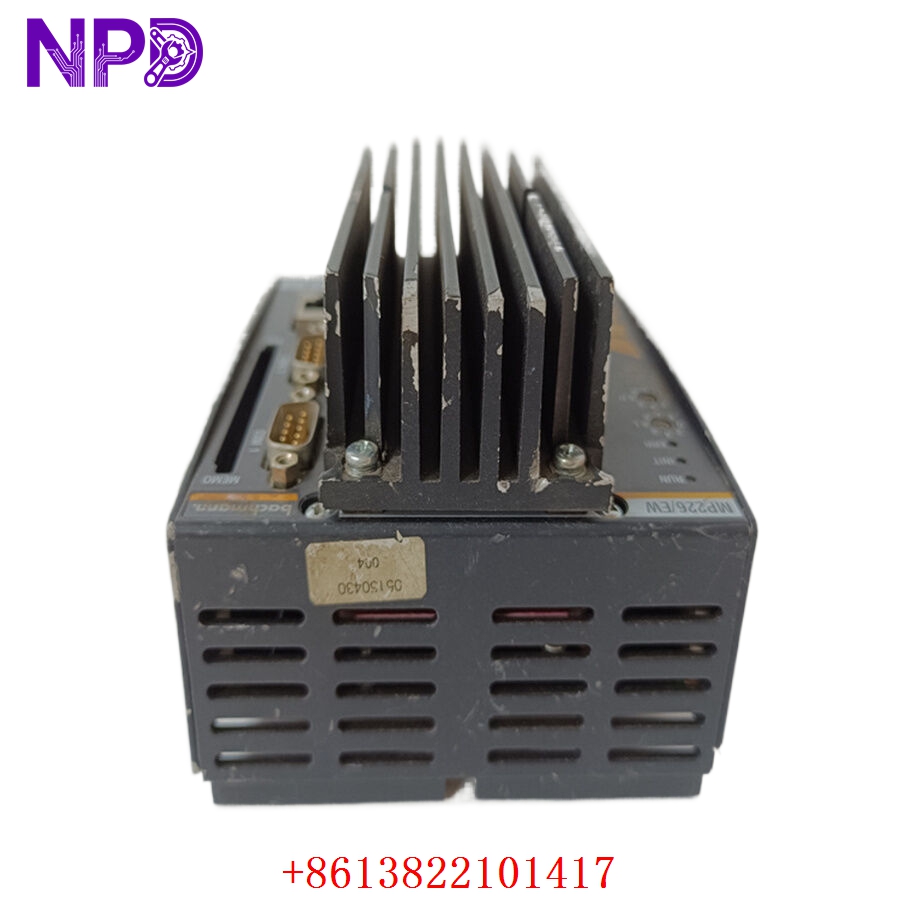
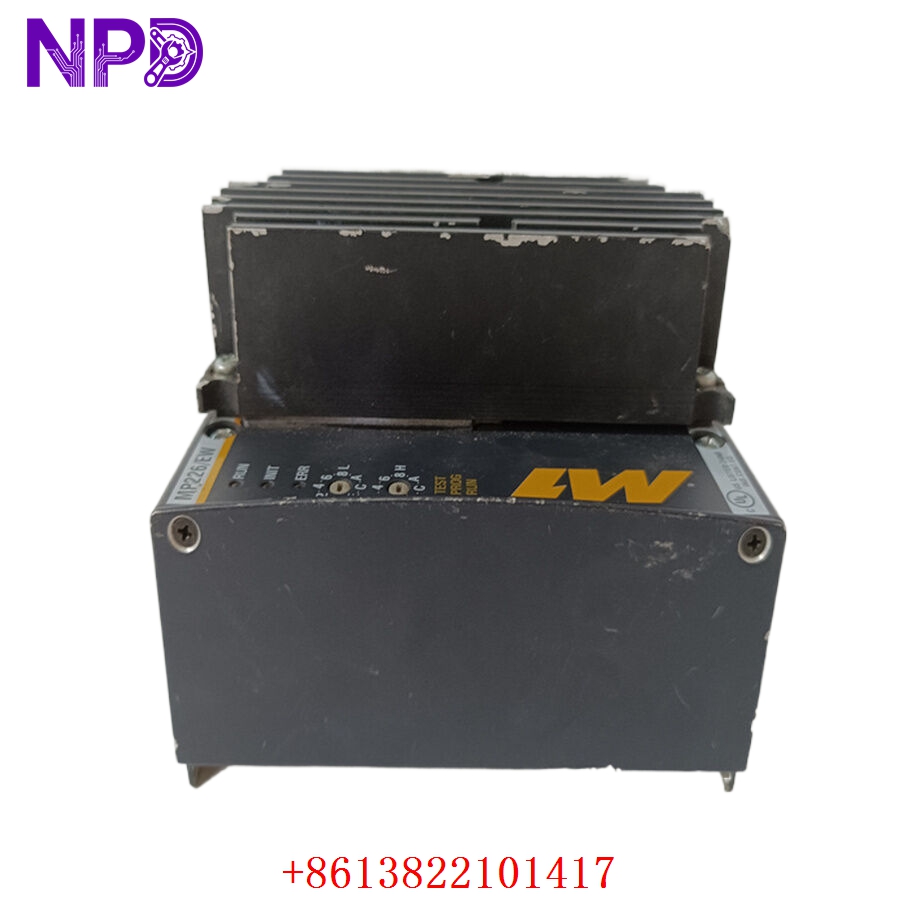
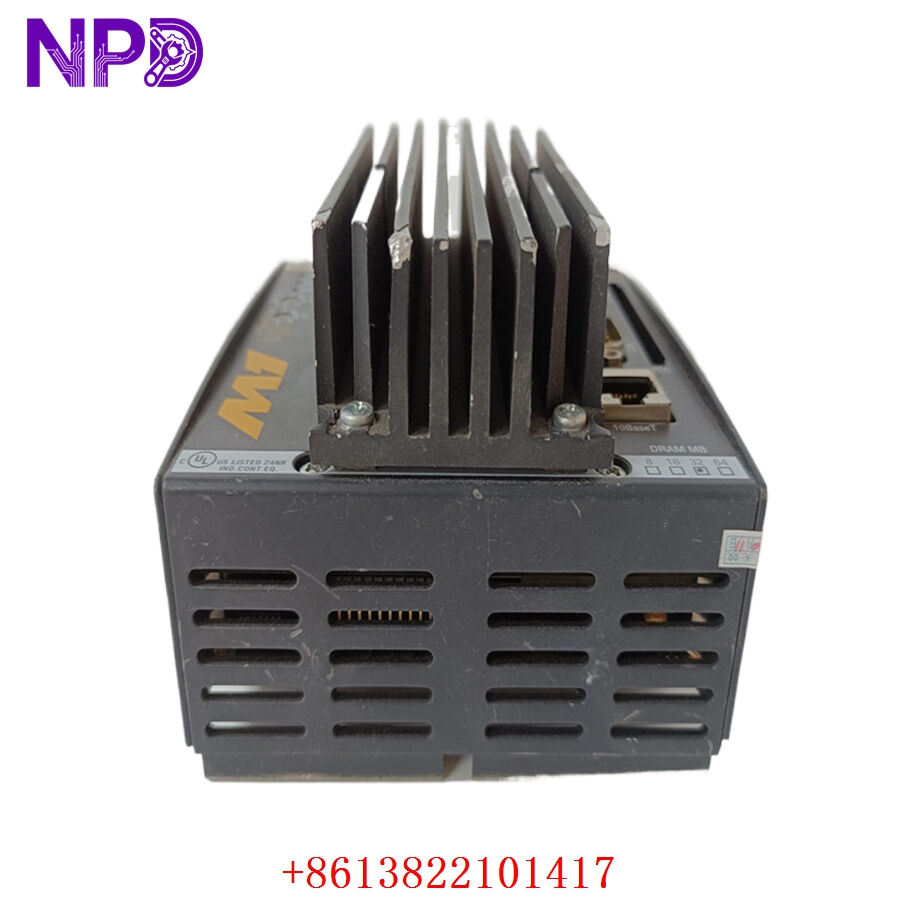
The Bachmann MP226EW is a high-performance, compact I/O module from the M1 automation series. It is specifically designed to provide robust digital input and output capabilities for complex industrial control systems. Engineered for high-reliability environments, this module enables the integration of sensors, switches, and actuators into the Bachmann M1 controller architecture, ensuring fast response times and dependable signal processing for demanding automation applications.
Technical Specifications
| Parameter | Detail |
| Model | MP226EW |
| Manufacturer | Bachmann Electronic |
| Device Type | Digital I/O Module |
| I/O Configuration | Combined Digital Inputs/Outputs |
| Compatibility | Bachmann M1 Series |
| Mounting | M1 Module Rack / DIN Rail |
| Operating Temperature | -20°C to +60°C |
| Signal Level | Standard 24VDC |
Fields of Application
The MP226EW is widely used in sectors requiring high-density I/O and dependable automation, including:
- Wind Energy: Monitoring and control of turbine pitch and yaw systems.
- Marine Engineering: Propulsion control and automated shipboard systems.
- Packaging Machinery: Managing high-speed digital switching for conveyors and robotic arms.
- Power Generation: Auxiliary control for engine and generator management.
Product Introduction
The MP226EW serves as the physical interface between the field and the central M1 controller. Its primary role is to digitize high-voltage field signals for CPU processing and to translate digital control commands from the CPU into physical voltage outputs for field devices. The “EW” designation typically denotes a variant optimized for specific environmental resilience or expanded I/O features within the M1 ecosystem, making it a reliable choice for decentralized control architectures.
Product Use Instructions
- Ensure the system rack is powered down and the environment is safe for installation.
- Align the module with the designated slot on the Bachmann M1 backplane.
- Slide the module into the slot until the connectors securely engage with the backplane.
- Tighten the retaining screws to ensure structural integrity and proper grounding.
- Terminate field wiring (sensors to inputs, actuators to outputs) onto the front-facing terminal blocks.
- Once powered, use the Bachmann SolutionCenter software to configure the I/O mapping and define the channel parameters within your control project.
Product Use Precautions
Avoid physical contact with the exposed PCB pins on the rear of the module to prevent electrostatic discharge (ESD) damage. Ensure that total load current on the output channels does not exceed the specified rating for the module, as this can trigger internal protection circuits or cause hardware damage. Keep the cabinet interior clean and free of metal debris, as the high-density terminal layout is susceptible to short circuits if conductive particles enter the module. Always maintain adequate airflow in the control cabinet to prevent overheating.
Frequently Asked Questions (Q&A)
Q: Can the MP226EW handle high-speed pulse inputs?
A: This module is primarily designed for standard digital signals. For high-frequency pulse inputs (e.g., encoder signals), you should refer to Bachmann’s specialized counter/encoder modules.
Q: How do I identify a channel fault?
A: The module is equipped with status LEDs for each channel. If an LED is off or flashing unexpectedly, refer to the SolutionCenter diagnostics to identify the specific error code associated with that channel.
Q: Is the module hot-swappable?
A: In the Bachmann M1 system, many modules support hot-swapping; however, always consult your specific system’s documentation regarding the I/O rack configuration before performing a removal while powered.
Product Operation Methods
During runtime, the MP226EW operates under the control of the M1 system’s real-time operating system. It cycles through its inputs and outputs at high speed, updating the image table in the CPU. This allows for near-instantaneous process control. The module requires no direct maintenance; however, periodic verification of terminal block tightness is recommended to maintain optimal electrical connectivity in high-vibration environments like wind turbines.