
Description
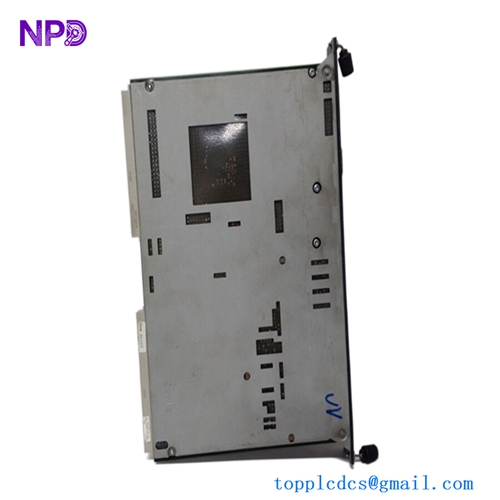
The Basler Electric DECS-200 is a highly versatile, microprocessor-based Digital Excitation Control System designed to provide precise regulation and protection for synchronous generators. The DECS-200-1L model is specifically configured for high-performance applications where reliability is paramount. It manages the excitation current to control generator output voltage and reactive power, featuring integrated power system stabilizer (PSS) functions, advanced limiting circuits, and comprehensive monitoring capabilities. This system is widely utilized in industrial, marine, and utility power generation to ensure grid stability and seamless load sharing.

Key Technical Specifications
| Parameter | Value/Description |
| Model Number | DECS-200-1L |
| Control Type | Digital PID regulation |
| Application | Synchronous Generator Excitation Control |
| Control Modes | Voltage (AVR), Field Current (FCR), Reactive Power (VAR), Power Factor (PF) |
| Output Current | Rated for high-field current capacity |
| Input Sensing | 3-Phase generator voltage and current sensing |
| Protection Features | Over/Under Voltage, Over/Under Excitation, Loss of Sensing |
| Communication | RS-485 and Ethernet (Optional) |
| Operating Temp | -40°C to +70°C |
| Mounting | Panel-mount chassis |
Recommended Related Models
These models are part of Basler Electric’s extensive excitation and protection line, frequently used in power generation systems:
- DECS-200-1H: High-output variant for larger excitation systems
- DECS-250: Advanced Digital Excitation Control System (Enhanced features)
- DECS-400: Next-generation high-performance digital controller
- AVC63-12: Analog Voltage Controller
- SSR125-12: Static SCR Excitation Power Module
- BE1-11g: Generator Protection System
- BE1-87G: Generator Differential Relay
- BE1-32: Directional Power Relay
- BE1-25: Synchro-check Relay
- PM Series: Permanent Magnet Generators (Compatible with DECS)
Note: The DECS-200 series requires careful calibration via Basler’s BESTCOMS software. Ensure that the hardware configuration (1L vs 1H) matches your generator’s field requirements to prevent damage to the excitation system.