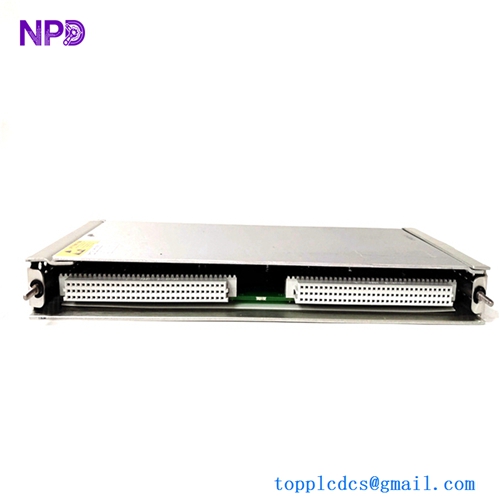
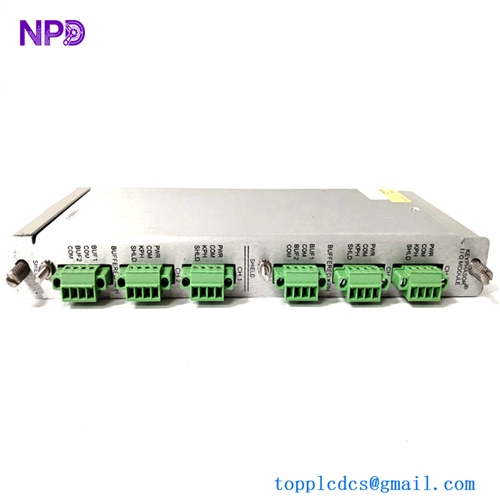

Description
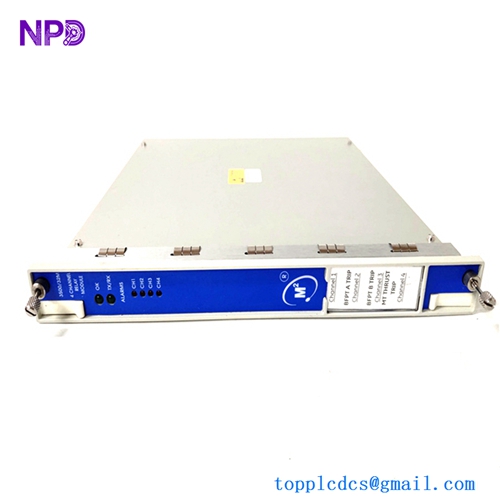
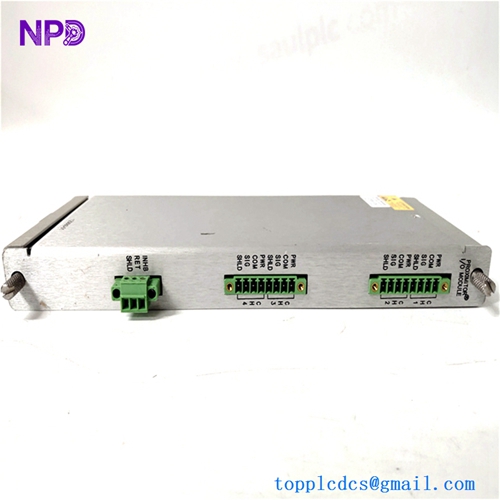
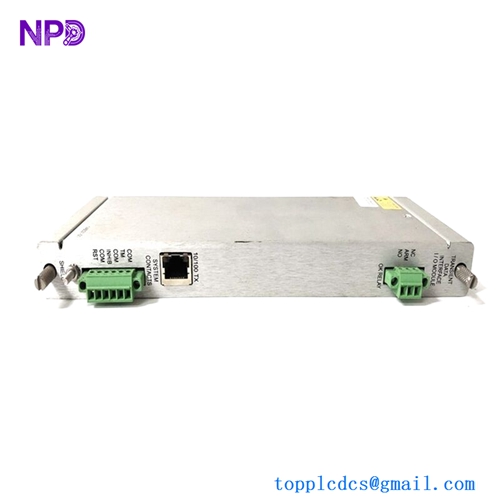
- Model: BENTLY 125800-01 (3500/25)
- Brand: Bently Nevada (Baker Hughes)
- Series: 3500 Machinery Protection System
- Core Function: Provides Keyphasor speed and phase reference signals
- Type: Keyphasor Interface Module
- Key Specs: 24 V DC supply Dual-channel Keyphasor input Rack-based design
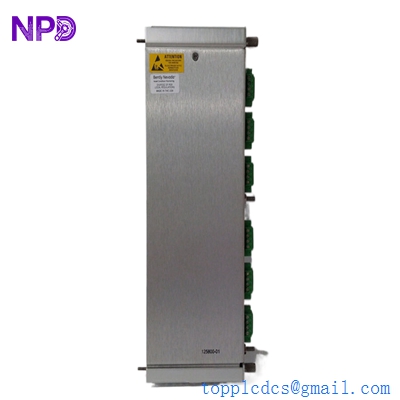
BENTLY 125800-01 3500/25
Key Technical Specifications
- Input Voltage: 24 V DC nominal
- Input Channels: 2 Keyphasor channels
- Sensor Compatibility: Proximity probes and magnetic pickups
- Signal Conditioning: Zero-crossing and phase reference processing
- Frequency Range: Suitable for slow-roll to high-speed turbines
- System Integration: Bently Nevada 3500 rack backplane
- LED Indicators: Channel status and fault indication
- Operating Temperature: -30 °C to +65 °C
- Mounting: 3500 system rack slot
- MTBF: >50,000 hours (typical field experience)
Installation & Configuration Guide
Phase 1: Pre-Installation (≈10 minutes)
⚠️ Safety first
- Notify operations and maintenance teams of planned work.
- Place the monitored machine in a safe state or standby.
- Disconnect rack power, including redundant supplies.
- Wait 5 minutes to allow internal discharge.
Tools & preparation:
- ESD wrist strap and mat
- PH1 screwdriver
- Multimeter for 24 V DC verification
- Labels and marker
- Phone for photos of existing wiring
Backup steps:
- Save current 3500 rack configuration from the monitoring software.
- Photograph terminal wiring and module slot position.
Phase 2: Removing the Old Module (≈5 minutes)
- Loosen the front retaining screws.
- Label and disconnect Keyphasor signal wiring carefully.
- Slide the module straight out of the rack.
- Inspect the backplane connector for bent pins or contamination.
A quick reality check from the field: many “module failures” trace back to damaged probe cables. If alarms persist, verify the sensor loop before blaming the card.
Phase 3: Installing the New Module (≈10 minutes)
- Wear ESD protection and remove the module from the anti-static bag.
- Verify the model number matches the original.
- Set jumpers or configuration switches to mirror the old module.
- Insert the card firmly into the rack until fully seated.
- Reconnect wiring according to labels and photos.
Checklist before power-up:
- Correct rack slot
- All terminals tight
- No loose strands or shorts
Phase 4: Power-On & Verification (≈10–15 minutes)
- Measure rack supply voltage (24 V DC ±10%).
- Power up the rack and observe module LEDs.
- Confirm Keyphasor signals appear in the monitoring software.
- Check phase reference stability during machine rotation.
- Run the system for at least 30 minutes without alarms.
Log the replacement date, slot number, and serial number for future lifecycle tracking.
Customer Cases & Industry Applications
Case 1: Steam Turbine Overspeed Protection Maintained
Situation:
A coastal power plant operated a steam turbine protected by a Bently Nevada 3500 system installed over a decade ago.
Task:
A failing Keyphasor channel caused unreliable speed reference, threatening nuisance trips.
Action:
Maintenance replaced the faulty module with a 125800-01 3500/25 during a planned outage.
Result:
- Stable speed reference restored
- No forced shutdown
- The plant stocked one additional unit as insurance
Case 2: Refinery Compressor Monitoring Continuity
Situation:
A refinery relied on continuous phase reference for axial compressor vibration analysis.
Task:
OEM lead time was no longer practical after the model was discontinued.
Action:
Two units were purchased as a last-time-buy and stored under controlled conditions.
Result:
- Monitoring uptime preserved
- Upgrade deferred by several years
- Carrying cost remained minimal versus retrofit CAPEX
Case 3: Cross-Site Spare Sharing in Utilities
Situation:
A utility group operated multiple 3500 racks across different plants.
Task:
Spare parts were scattered, causing delays when failures occurred.
Action:
They centralized Keyphasor modules, including the 125800-01, and shared inventory.
Result:
- Faster response to failures
- Fewer emergency shipments
- Improved inventory turnover
Frequently Asked Questions (FAQ)
Q1: Is the 125800-01 still manufactured?
A: No. It is obsolete, but new surplus stock is still available. This makes it a good candidate for controlled hoarding before market supply tightens.
Q2: How many should we keep in stock?
A: For critical machinery protection systems, I recommend 1–2 units per site. The carrying cost is trivial compared to the risk of losing speed reference on a turbine.
Q3: Can the module be hot-swapped?
A: No. Rack power must be removed before replacement. Hot swapping risks backplane damage and false alarms.
Q4: Is this a refurbished module?
A: No. It is original new surplus—no field use, no repair history, and no connector wear. Each unit is function-tested before shipment.
Q5: What happens if we don’t replace a failing Keyphasor?
A: Without a stable phase reference, vibration data becomes unreliable, and protection logic may trip unnecessarily. In plain terms… it’s not a risk worth taking.
Q6: Are there newer alternatives?
A: Yes, newer platforms exist, but migration requires engineering work, testing, and downtime. If your system life expectancy is under five years, stocking this module usually wins on total cost of ownership.
Q7: How do you verify quality before delivery?
A: We perform inbound inspection, live testing on a 3500-compatible rack, electrical checks, firmware verification, and final QC packaging. Test records or photos are available if requested.