Description
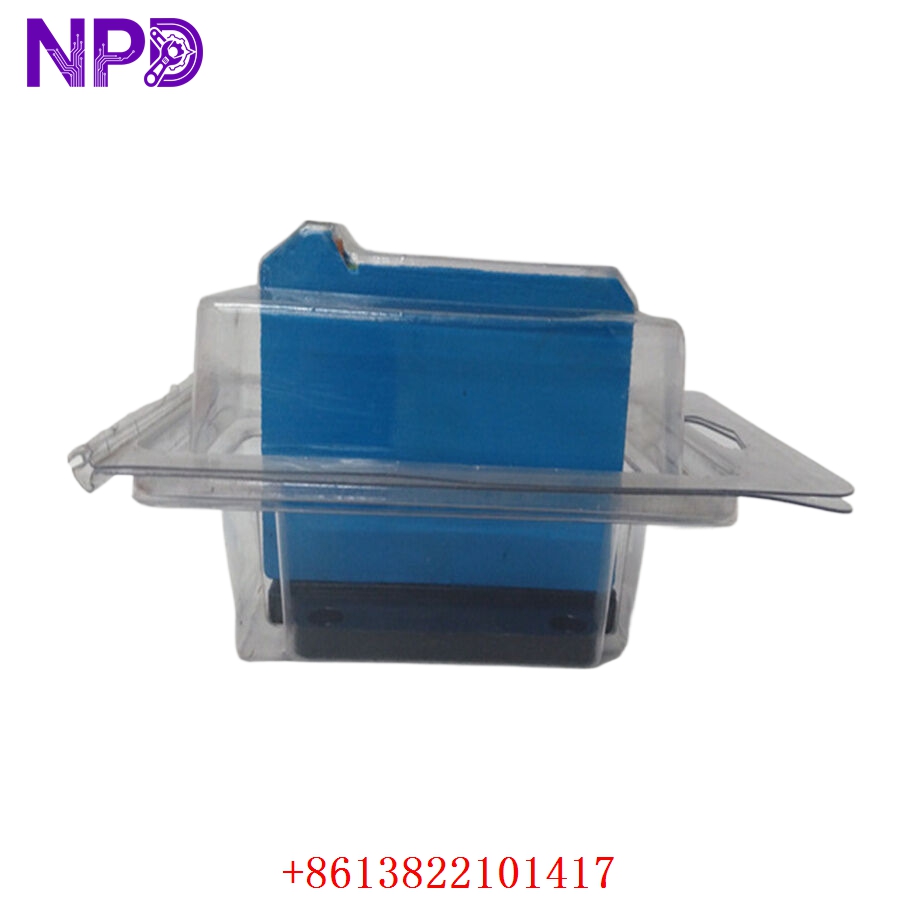
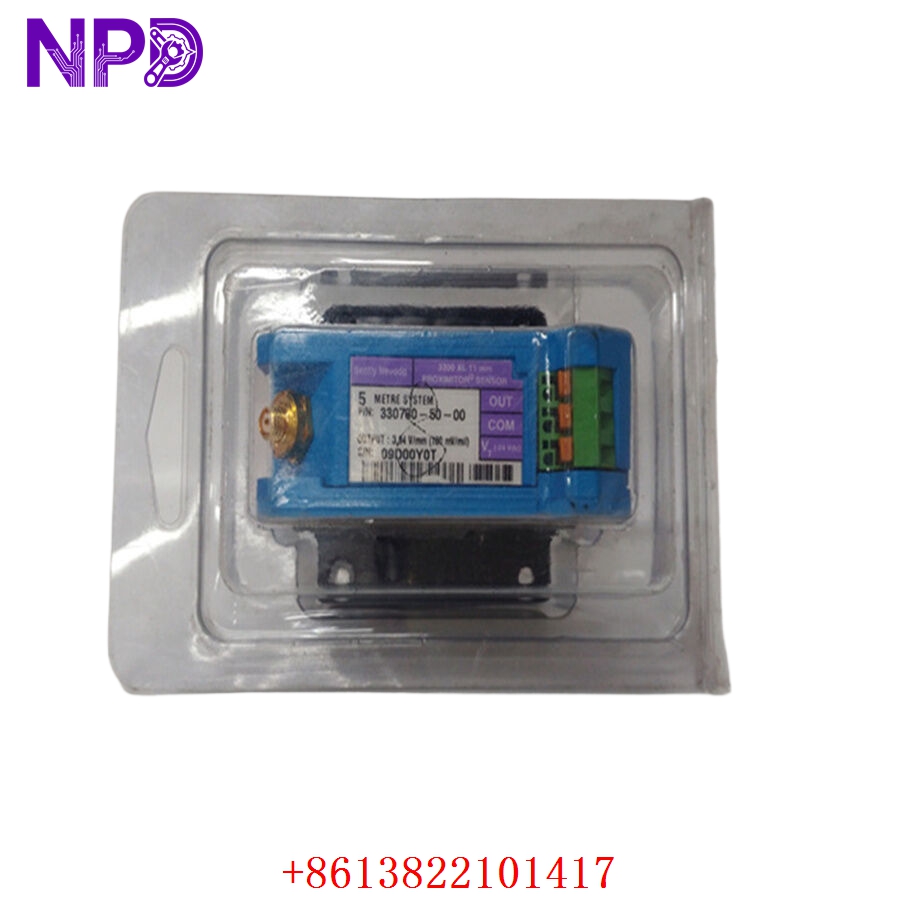
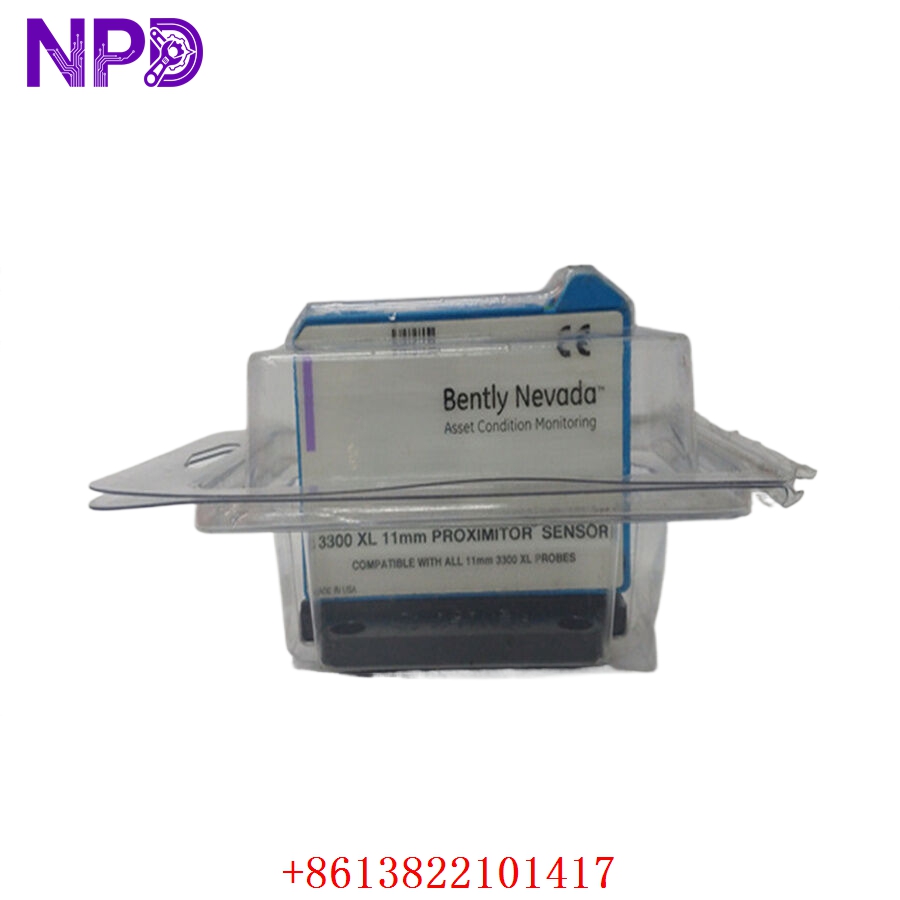
The Bently Nevada 330780-50-00 is a high-performance 3300 XL NSv (Near-field) Proximity Transducer System. Designed specifically for small-shaft machinery, it provides precise measurement of vibration and position. This system is engineered to perform reliably in harsh industrial environments, ensuring that operators can monitor critical parameters such as radial vibration, axial position, and speed with high accuracy and minimal signal drift.
Technical Specifications
| Parameter | Detail |
| Part Number | 330780-50-00 |
| Manufacturer | Bently Nevada (Baker Hughes) |
| System Type | 3300 XL NSv Proximity Transducer System |
| Cable Length | 5.0 meters |
| Connector Option | Standard Connector |
| Agency Approval | Not Required (Standard) |
| Operating Temp | -35°C to +177°C |
| Probe Tip Material | Polyphenylene Sulfide (PPS) |
Fields of Application
The 330780-50-00 is primarily used in the monitoring of small-diameter shafts and high-speed machinery where traditional transducers may be too large or lack the necessary resolution. It is widely applied in:
- Gas and Steam Turbines: Monitoring small turbine shafts.
- Compressors: Centrifugal and screw compressor vibration analysis.
- Motors and Pumps: Precision axial and radial position tracking.
- Research and Development: High-accuracy bench testing of rotating components.
Product Introduction
The 330780-50-00 consists of a proximity probe, an extension cable, and a Proximitor sensor. Unlike standard 3300 XL probes, the NSv system is specifically optimized for small-target applications. It uses an advanced coil design to provide a linear output over a smaller range, allowing for accurate measurements on shafts as small as 15 mm in diameter without the significant “side-view” interference that would affect larger, standard-sized probes.
Product Use Instructions
To install the transducer system:
- Ensure the mounting hole is properly threaded and clear of debris.
- Install the probe and lock it in place with the provided jam nut, ensuring the tip is at the correct initial gap (usually specified in your system’s calibration sheet).
- Connect the probe to the extension cable and the extension cable to the Proximitor sensor using the proprietary click-lock connectors.
- Mount the Proximitor sensor in a DIN-rail enclosure within a protective, weather-tight cabinet.
- Use a digital multimeter or an oscilloscope to verify the “Gap Voltage” at the Proximitor output terminals to ensure it matches the required operating range.
Product Use Precautions
The system is highly sensitive to the target material; ensure the shaft surface is free of deep scratches, burrs, or magnetization, as these will cause erroneous readings. Never over-tighten the probe threads, as this may crack the PPS tip. Ensure that the cable connectors are kept free of oil and moisture, as these can create a leakage path that degrades the signal. Always use the specified extension cable length, as swapping cables will alter the electrical calibration of the system.
Frequently Asked Questions (Q&A)
Q: Can I use this probe with a standard 3300 XL Proximitor?
A: No, the 330780-50-00 is specifically designed for the NSv system; it must be used with the corresponding 3300 XL NSv Proximitor sensor to ensure calibration accuracy.
Q: What is the benefit of the “NSv” design?
A: The NSv (Near-field) design is specifically engineered for smaller shaft diameters and tighter installation spaces, providing significantly better linearity and immunity to side-view effects compared to standard 8mm probes.
Q: How do I verify the system is working?
A: Measure the output voltage of the Proximitor; a healthy system should output a negative DC voltage (typically around -9V to -10V) when the probe is at its nominal center position from the shaft.
Product Operation Methods
The system operates by emitting a radio-frequency (RF) field from the probe tip. When the conductive shaft surface enters this field, eddy currents are induced in the shaft, which changes the impedance of the probe coil. The Proximitor sensor detects this impedance change and converts it into a voltage proportional to the distance between the probe tip and the shaft. This signal is then fed into a monitoring system (like the 3500 series) for continuous data analysis.