Description
Product Core Brief
- Model: Bently Nevada 330130-085-00-00
- Brand: Bently Nevada (Baker Hughes)
- Series: 3300 XL Proximity Transducer System
- Core Function: Extension cable connecting proximity probes to proximitor sensors in vibration monitoring systems
- Type: Passive Extension Cable (Signal/Coaxial)
- Key Specs: Standard 3300 XL connector interface 8.5 m cable length Compatible with 3300 XL probes and sensors
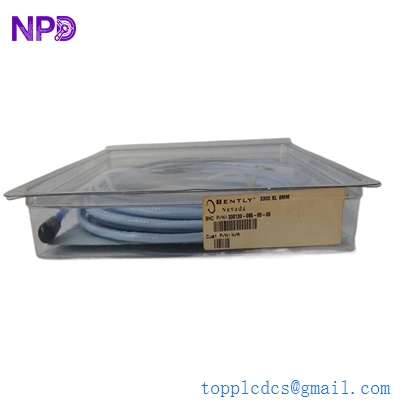
BENTLY 330130-085-00-00
Key Technical Specifications
- Input Power: 18–30 V DC (nominal 24 V DC)
- Output Signal: −24 V to −17 V DC proportional output
- Sensitivity: 200 mV/mil (7.87 mV/µm)
- System Length: 8.5 m total (probe + extension cable + sensor)
- Compatible Probes: Bently 3300 XL 8 mm probes
- Linearity Range: Up to 80 mils (2.0 mm)
- Operating Temperature: −35 °C to +100 °C
- Mounting: DIN rail or panel mount
- Hazardous Area Approval: CSA / ATEX (model-dependent)
- System Use: API 670 compliant machinery protection systems
Installation & Configuration Guide
Estimated total time: ~30 minutes for experienced maintenance staff
Pre-Installation (10 minutes)
⚠️ Safety first
- Notify operations and confirm equipment is in a safe state
- Power down the monitoring rack (including redundant supplies)
- Wait at least 5 minutes for internal discharge
Prepare tools
- Anti-static wrist strap
- Multimeter (Fluke 115 or equivalent)
- Small flat screwdriver
- Phone for configuration photos
Backup & documentation
- Record existing sensor output voltage
- Photograph wiring terminals and probe routing
- Note probe gap voltage for reference
Removal of Existing Sensor (5 minutes)
- Label all field wiring before removal
- Loosen terminal screws and remove cables gently
- Release the sensor from DIN rail or mounting bracket
- Inspect wiring for insulation cracks or oil contamination
A small detail, but important: many “sensor failures” are actually cable damage.
Installation of New 330130 Sensor (10 minutes)
- Wear ESD protection and remove sensor from anti-static packaging
- Verify the exact part number and system length code
- Mount the sensor securely on the rail or panel
- Reconnect wiring per original labeling
- Ensure probe extension cable is not sharply bent (<50 mm radius)
Power-On & Validation (5 minutes)
- Restore power to the rack only
- Measure output voltage at the sensor terminals
- Confirm voltage matches expected probe gap value
- Check signal stability (no random drift or noise)
- Log serial number and replacement date
If voltage drifts more than ±0.1 V at steady state, stop and recheck grounding.
Customer Cases & Industry Applications
Case 1: Steam Turbine Protection During Peak Season
Situation
A Southeast Asian power plant operates a 300 MW steam turbine using a Bently 3300 XL system commissioned in 2010.
Task
One proximity channel showed intermittent dropouts. No spare sensor on site. A forced outage during peak demand would cost roughly $120,000 per hour.
Action
The maintenance manager sourced a brand new 330130-085-00-00 from existing inventory. The unit was tested, documented, and shipped same day.
Result
- Replacement completed in under 1 hour
- No turbine shutdown required
- Plant added two more sensors as buffer stock
Their takeaway? “One sensor on the shelf is cheap insurance.”
Case 2: Oil & Gas Compressor Station — Obsolescence Planning
Situation
A gas transmission station runs multiple centrifugal compressors monitored by Bently 3300 XL racks.
Task
OEM announced long-term discontinuation risk. Lead times became unpredictable.
Action
We helped classify spares using ABC logic:
- A-class: Proximitor sensors (critical, low redundancy)
- Recommended 2 units per train as last-time-buy stock
Result
- Zero stock-out incidents over 3 years
- Avoided forced system upgrade
- Inventory carrying cost <3% of asset value
Case 3: Cross-Site Inventory Sharing
Situation
A refinery group operated three plants with identical vibration systems.
Task
Each site held minimal stock, but none had enough during simultaneous failures.
Action
Inventory was consolidated centrally with defined Min/Max levels:
- Min: 2 units
- Max: 5 units
Result
- Reduced total inventory by 30%
- Improved response time across all sites
- Better capital efficiency without risk exposure
Frequently Asked Questions
Q1: Is the 330130-085-00-00 still manufactured?
A: No. This model is obsolete. New units available today are original surplus from authorized supply channels. Once inventory dries up, replacement options become limited and more expensive.
Q2: Can it be replaced with another 330130 variant?
A: Only if the system length code matches. Mismatched lengths will cause calibration errors and unreliable vibration readings. Always match the full suffix.
Q3: Does this sensor support hot replacement?
A: Electrically yes, operationally no. In practice, replacing it live risks false trips. Best practice is controlled rack power-down.
Q4: How many should we stock?
A:
- Critical machines: 1–2 units per train
- Shared systems: Central buffer stock with rapid dispatch
This is classic insurance inventory — low turnover, high impact.
Q5: How do you verify it’s truly new?
A:
- Original factory labeling and serial number
- No connector wear, no oxidation
- Full electrical and functional test before shipment
- Test report available on request
We don’t deal in refurbished sensors. The risk-to-cost ratio makes no sense.
Q6: What’s the biggest failure risk?
A: Aging cables, not the sensor itself. During replacement, inspect extension cables carefully. A new sensor won’t fix a damaged cable.
Q7: Should we upgrade to a newer system instead?
A: It depends.
- If the asset runs >5 years: plan migration
- If shutdown costs are high and timeline short: keep proven spares
In many cases, strategic stocking buys you time — cheaply.
Final Inventory Manager’s Note
From experience, the Bently 330130-085-00-00 is not a fast mover, but when it’s needed, it’s needed immediately.
This is exactly the type of spare where buffer stock beats perfect forecasting.
If you want, I can also:
- Build a Min/Max stocking model for your site
- Compare TCO vs system upgrade
- Review your current vibration spare list for obsolescence risk