Description
- Model: DEIF PCM4.4
- Brand: DEIF
- Series: Multi-line 4 (ML-4)
- Core Function: Enhanced Power Management Core for complex plant control and breaker logic
- Product Type: Controller / CPU Module
- Key Specs: Advanced Synchronization Plant-wide Load Management Robust EMI protection
- Generation: The latest iteration of the PCM4 (Multi-line 4) series core modules.
- Logic Capacity: Designed for high-complexity power plants involving multiple mains, tie-breakers, and gensets.
- Communications:
- Internal CANbus for I/O expansion.
- Support for Modbus (RTU/TCP) and Ethernet integration.
- Operating Temp: -25 °C to +70 °C (-13 °F to +158 °F).
- Redundancy Support: Fully compatible with redundant “Hot Standby” controller configurations.
- Configuration Interface: Programmed via DEIF Utility Software (USW).
- Protection: Galvanic isolation on communication ports to prevent system-wide damage from ground faults.
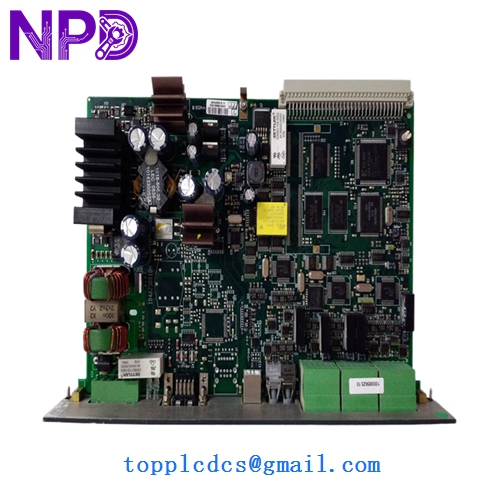
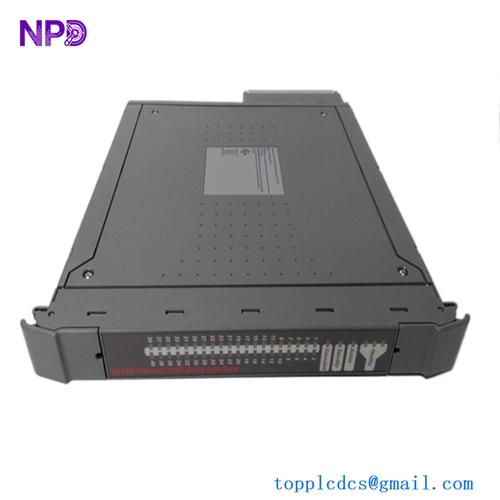
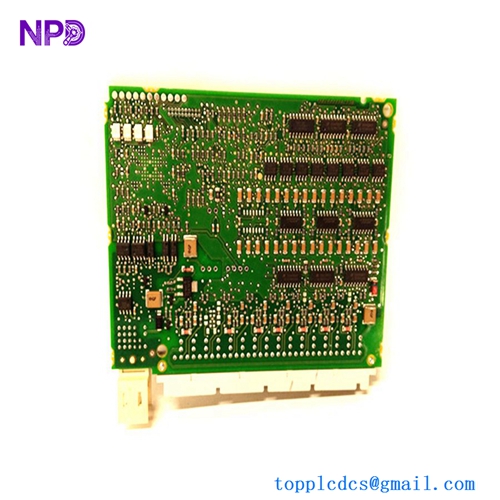
DEIF PCM4.4
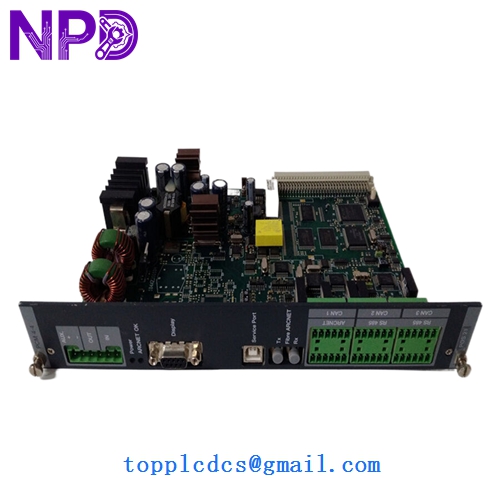
DEIF PCM4.4
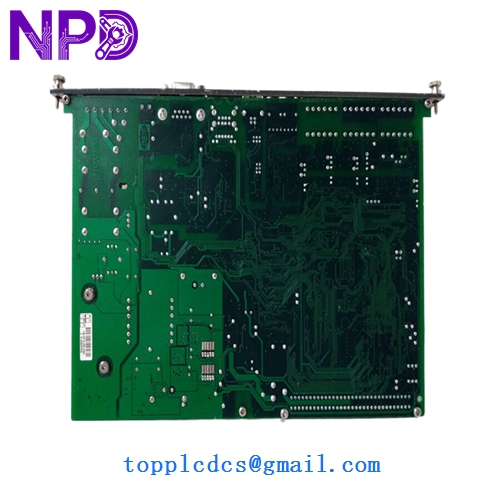
DEIF PCM4.4
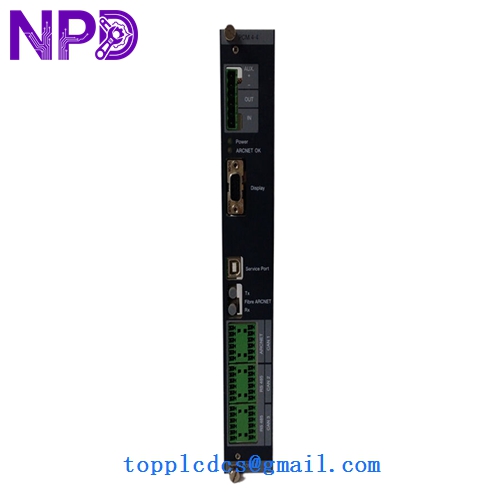
DEIF PCM4.4
Application Scenarios & Pain Points
The DEIF PCM4.4 is the high-performance evolution of the 4.3 core. It is the decision-making engine for the most complex power plants. While a standard controller handles a single engine, the PCM4.4 manages the entire network topology. It calculates power flow across tie-breakers and decides which generators should run to maintain optimal fuel efficiency and spinning reserve.
The primary pain point with the PCM4.4 is Firmware “Lock-in.” DEIF frequently updates firmware to support new features. If you are replacing a PCM4.4 in a multi-controller system, the firmware version of the new unit must match the other controllers in the plant exactly. If they are mismatched, the controllers will refuse to communicate over the internal CANbus, leaving the plant in manual mode.
Typical Application Scenarios:
- Large Scale Power Plants (10+ Gensets) Managing complex load-sharing and VAR sharing across massive generator banks.
- Critical Infrastructure Redundancy Providing the logic for automatic “Black Start” sequences in hospitals or high-security facilities.
- Marine & Offshore Platforms Handling dynamic load management for thrusters and drilling equipment where “Power Availability” is life-critical.
- Hybrid Microgrids Interfacing traditional diesel power with battery storage and solar arrays to ensure grid stability.
Case Study: The “Blind” Synchronization
Background: A remote mining site in Australia used three PCM4.4 cores to manage five generators and two utility feeds. After a lightning strike, one PCM4.4 failed, and the site was running on manual control.
Problem: The site team installed a spare PCM4.4, but it wouldn’t “talk” to the other two cores. The HMI displayed a “Bus ID Conflict / Version Mismatch.” The spare was fresh from the factory with the latest firmware, while the site was running a version from three years prior.
Solution: We provided remote technical support to “downgrade” the new PCM4.4 firmware to match the existing site baseline using the DEIF Utility Software.
Result: – Network Restored: The three cores synchronized their data within seconds of the firmware match.
- Automatic Operation: The site was able to return to full “Auto” load-shedding mode.
- Engineer’s Insight: “With DEIF PCM4.4, the ‘Newest’ firmware isn’t always the ‘Best.’ The ‘Best’ firmware is the one that matches the rest of your plant.”
Compatible Replacement Models
The PCM4.4 is the current standard for ML-4 systems, providing the highest processing overhead in the series.
| Original Model | Replacement Model | Compatibility | Note |
|---|---|---|---|
| PCM4.4 | PCM4.4 | ✅ Exact Match | Standard ML-4 Core. |
| PCM4.3 | PCM4.4 | ✅ Backward Comp. | 4.4 can replace a 4.3; requires project re-upload. |
| PCM4.4 | AGC-4 | ❌ Incompatible | Different series architecture. |
Troubleshooting Quick Reference
| Symptom | Possible Cause | Relation | Quick Check | Action |
|---|---|---|---|---|
| “System” LED Flashing | Configuration Error | ✅ High | Check USW for “Invalid Application” error. | Upload the .ers project file. |
| Internal CAN Error | Termination Resistor | ✅ High | Measure 60 Ω across CAN H and CAN L (unpowered). | Add 120 Ω resistor at the end of the bus. |
| Breaker Command Fails | Interlock Logic | ⚠️ Med | Check “External Trip” inputs on the PCM4.4. | Clear external faults/safety loops. |
| Unit Reboots Randomly | Power Supply Ripple | ✅ High | Check 24V DC supply with an oscilloscope. | Replace failing battery charger/supply. |
❗ Pro Tip: The “ID” Switch
On the side of many PCM4.4 units, or within the software, there is a “Node ID” setting. Every core in a plant must have a unique ID (e.g., Core 1, Core 2, Core 3). If you replace a module and forget to set the ID to match the original, the system will experience “Address Collisions” and the communication bus will crash.
Handling & Installation:
- Electrostatic Discharge (ESD): The PCM4.4 contains high-speed logic chips. Always use an ESD strap during installation.
- Firmware Backup: Before removing a faulty unit, if it is still partially responsive, try to “Read” the configuration and firmware version using DEIF USW. This makes the replacement process 10x faster.
- Mounting: Ensure the DIN rail clips are fully engaged. In high-vibration environments (like near a large diesel engine), a loose controller can cause “ghost” alarms due to micro-breaks in the connection.