
Description
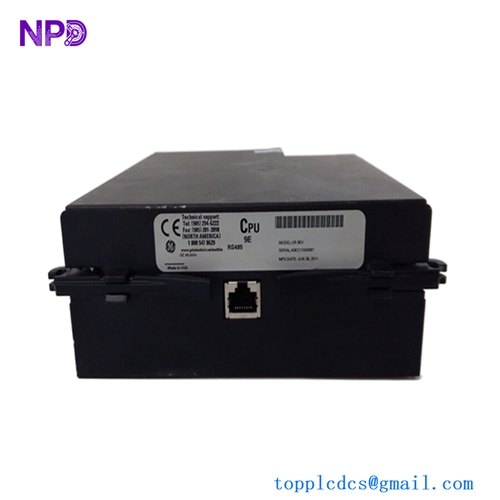
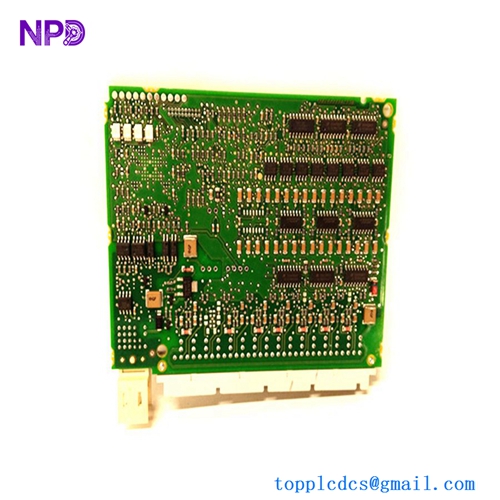
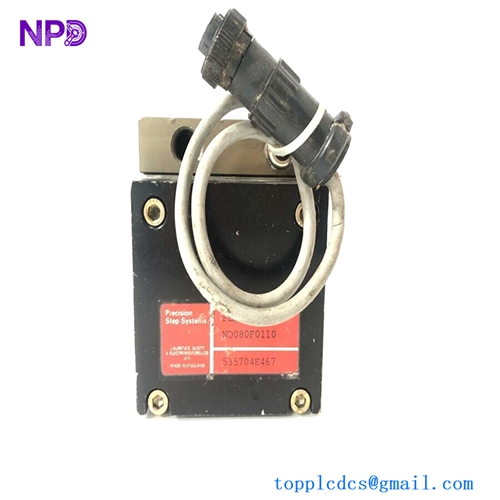
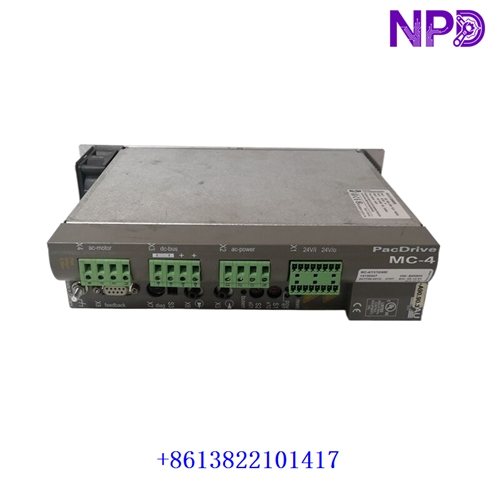
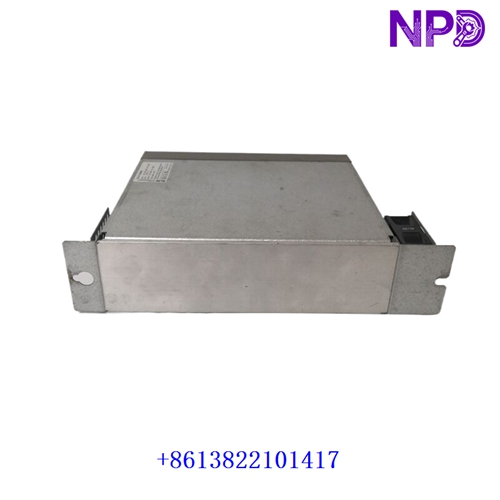
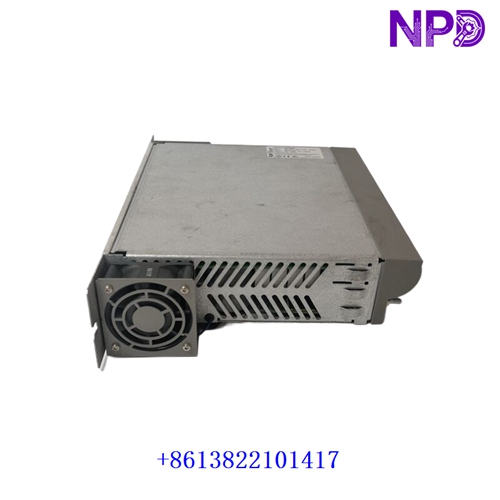
The following parameters outline the core technical specifications and physical characteristics of the Schneider Electric / ELAU PacDrive modular motion controller and servo drive system, designed for high-performance multi-axis packaging and industrial automation machinery.
- 1. Brand: ELAU (Schneider Electric)
- 2. Model: MC-4/11/10/400
- 3. Series: PacDrive MC Series Motion Controller / Drive Combination
- 4. Product Name: Multi-Axis Motion Controller / Integrated Servo Drive Module
- 5. Place of Origin: Germany
- 6. Physical Status: Factory New / Industrial Automation Spare Part
- 7. Dimensions: Standard modular cabinet-mount rack format (Compact industrial enclosure)
- 8. Weight: Approx. 4.50 kg
- 9. Original Region: European Industrial Manufacturing Hub
- 10. Power Rating: Operates on standard industrial mains input voltage (400V AC nominal, 3-phase, 50/60Hz), supporting multi-axis servo control architecture
Initial Operation Checklist
- 🔹 Inspect the exterior packaging and anti-static housing for any transit-induced damage or physical defects prior to unboxing.
- 🔹 Verify that part number
MC-4/11/10/400matches system engineering schematics and control cabinet BOM specifications exactly. - 🔹 Ensure that all upstream 3-phase AC power feeds and DC bus supplies are completely switched off and locked out/tagged out before handling wiring.
- 🔹 Check power terminals, encoder feedback connectors, and fiber-optic ring communication ports for cleanliness and secure mechanical seating.
- 🔹 Confirm proper grounding continuity between the controller chassis backplate and the main industrial control cabinet ground bus.
Daily Maintenance & Servicing
- 🔸 Monitor operating ambient temperatures continuously, ensuring environment conditions remain within recommended limits (0^\circC \le T \le +45^\circC).
- 🔸 Inspect front-panel status LED indicators and seven-segment diagnostic displays regularly to verify normal CPU status, communication ring health, and drive readiness.
- 🔸 Keep cabinet ventilation filters clean and cooling fans unblocked to prevent thermal overloads across the high-density drive modules.
- 🔸 Perform periodic visual checks on motor power cables and control wiring connectors to ensure tight seating under continuous machine vibration.
Troubleshooting & Common Issues
- 🔻 Symptom: Controller fails to boot or diagnostic display remains unlit.
Action: Check incoming AC power supply rails using a calibrated multimeter across input terminals and verify internal control voltage fuses.
- 🔻 Symptom: SERCOS fiber-optic communication ring error or broken ring alarm.
Action: Inspect fiber-optic patch cables for tight connections, clean optical lens tips, and check transmitter/receiver activity across connected drives.
- 🔻 Symptom: Over-voltage, under-voltage, or drive amplifier fault tripped during operation.
Action: Verify main bus voltage stability, check external braking resistor connections, and review error codes via the programming software.
Safety Precautions
- ⚠️ Only certified automation and electrical technicians familiar with ELAU PacDrive systems and high-voltage servo drives should perform installation and servicing tasks.
- ⚠️ Observe strict electrostatic discharge (ESD) prevention protocols when handling internal electronics or memory modules.
- ⚠️ Allow adequate discharge time after powering down the system before touching DC bus terminals, as residual high voltage remains stored in internal capacitors.
Frequently Asked Questions (Q&A)
- Q1: What is the primary function of the ELAU MC-4/11/10/400 unit?
A1: It functions as an integrated motion controller and servo drive module within the PacDrive automation architecture, coordinating synchronized multi-axis motion for packaging and industrial machines.
- Q2: What power supply does this specific model require?
A2: It is designed for a 3-phase industrial mains supply of 400V AC at 50/60Hz.
- Q3: What communication protocol is typically used to network ELAU PacDrive components?
A3: It commonly utilizes the SERCOS interface ring via fiber-optic cables for high-speed, real-time deterministic communication between the controller and digital servo drives.